Chinese 'dialects' like Cantonese, Wu, and Hakka are linguistically distinct languages—not dialects—due to mutual unintelligibility, divergent tones, grammar, and vocabulary, and are properly classified as separa...

If you're planning a trip to Beijing or Shanghai—or even just watching a documentary with Mandarin subtitles—you’ll likely hear 动物园 (dòngwùyuán) multiple times within minutes. This single compound word isn’t just vocabul...
Mastering how to count to 10 in Chinese Mandarin isn’t just a rote memory exercise—it’s your first real key to functional communication in one of the world’s most widely spoken languages. The Mandarin numbers 1 to 10 (yī...
Many Mandarin learners approach the term ‘Africa’ as a simple vocabulary item to memorize—just two characters, one pinyin string, done. But in reality, 非洲 (Fēizhōu) is far more than a label: it’s a rich entry point into ...
Lena, a 28-year-old graphic designer from Berlin, spent her first week in Chengdu confidently ordering baozi and asking for directions—then froze at a street market when the vendor asked, “Yào shénme?” (What would you li...
The short, definitive answer is: black in Chinese is 黑 (hēi). This single-character word is deceptively simple—just one syllable, one radical (the 'black' or 'darkness' component 黑 itself), and one core semantic field ro...
Lena, a graphic designer from Portland with over seven years of professional experience in UI/UX and branding, found herself standing motionless at a bustling intersection in Beijing’s Chaoyang District—surrounded by hon...
If you’ve ever tried to talk about American football with a Chinese friend—or watched an NFL broadcast on Tencent—you’ve likely hit a wall. The term 橄榄球 (gǎn lǎn qiú), literally 'olive ball', is used interchangeably for ...
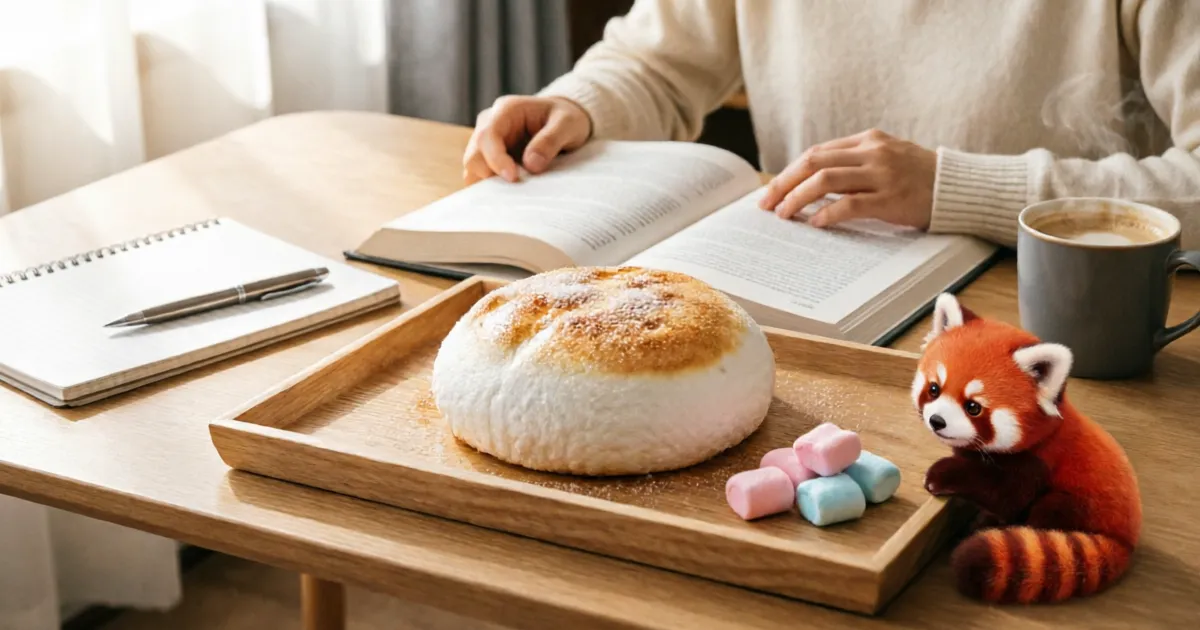
If you’ve searched 'marshmallow in Chinese' and found terms like 'mian hua tang' or 'tang guo', you’re not alone — and your confusion is completely justified. There is no single, standardized Chinese word for the soft, g...
The standard and most universally appropriate way to say good night in Chinese is 晚安 (Wǎn'ān). Pronounced “wahn-ahn” with falling then level tones, it literally means “peaceful evening” — a warm...
The most common and affectionate way to say 'wife' in Chinese is lǎopó (老婆), pronounced with a falling third tone on lǎo and a rising second tone on pó. Literally meaning 'old woman', it’s a wa...
If you’ve ever tried saying “husband in Chinese” and been met with a polite smile—or silence—you’re not alone. It’s not just about memorizing one term: context, tone, relationship closeness, social setting, generational ...