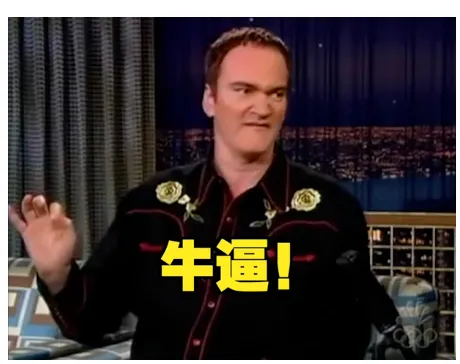
Expressing excitement or admiration in Chinese can make your conversations more lively, modern, and authentic. From praising a friend’s achievement to reacting to something impressive, there are mult...
Greeting someone in the morning is a simple way to show politeness and friendliness. In Chinese, saying “good morning” is both practical and culturally meaningful. Whether you’re traveling, studying M...
Colors are more than just visual aesthetics in Chinese culture—they carry profound meanings, historical significance, and cultural symbolism. From traditional ceremonies to modern fashion, understandi...
If you’re learning Chinese or planning to visit China, one of the first words you might want to master is “yes” in Chinese. At first glance, it seems simple. After all, “yes” is just “yes,” right? But...
Learning a new language is not just about saying “hello” or “thank you.” One of the essential yet often overlooked skills is knowing how to say no in Chinese. Saying “no” might seem simple, but in Ma...
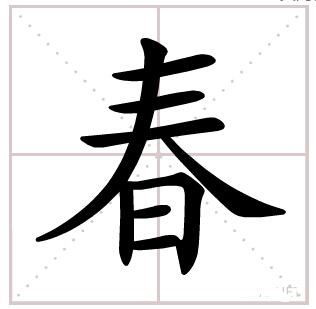
Simplified: 春 Traditional: 春 Pinyin: chūn Meaning: spring; springtime; vitality; love; life The Chinese character 春 (chūn) represents one of the most cherished and poetic concepts in Chinese culture...
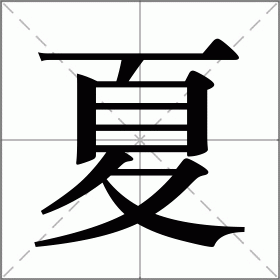
Simplified: 夏 Traditional: 夏 Pinyin: xià Meaning: summer; the Xia Dynasty; great; magnificent The Chinese character 夏 (xià) represents one of the four seasons and carries profound historical and cu...
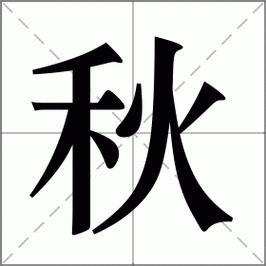
Simplified: 秋 Traditional: 秋 Pinyin: qiū Meaning: autumn; fall; harvest time; year; period The Chinese character 秋 (qiū) represents the season of autumn, a time of profound significance in Chinese c...
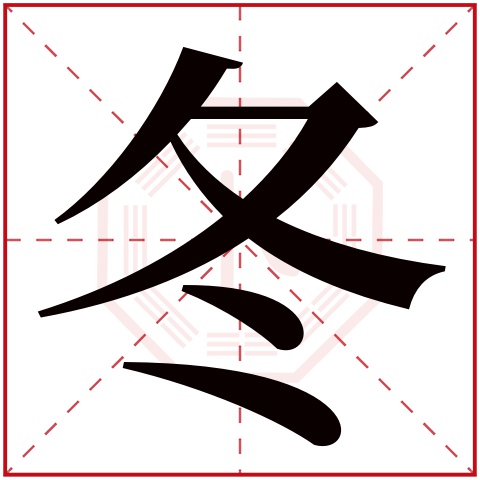
Simplified: 冬 Traditional: 冬 Pinyin: dōng Meaning: winter; wintertime The Chinese character 冬 (dōng) represents the final season in the annual cycle - winter. It embodies the concepts of completion,...
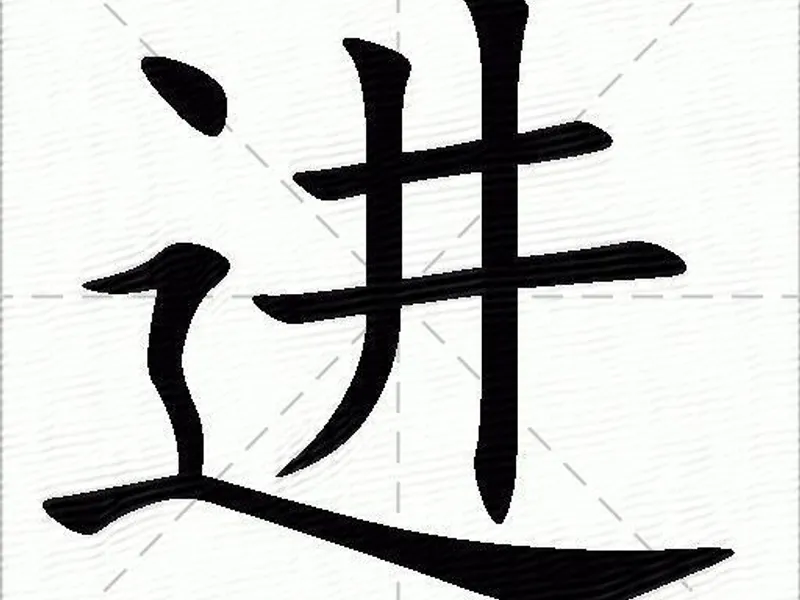
Simplified: 进 Traditional: 進 Pinyin: jìn Meaning: to advance; to enter; to progress; to promote The Chinese character 进 (jìn) represents the fundamental concept of forward movement, progress, and en...
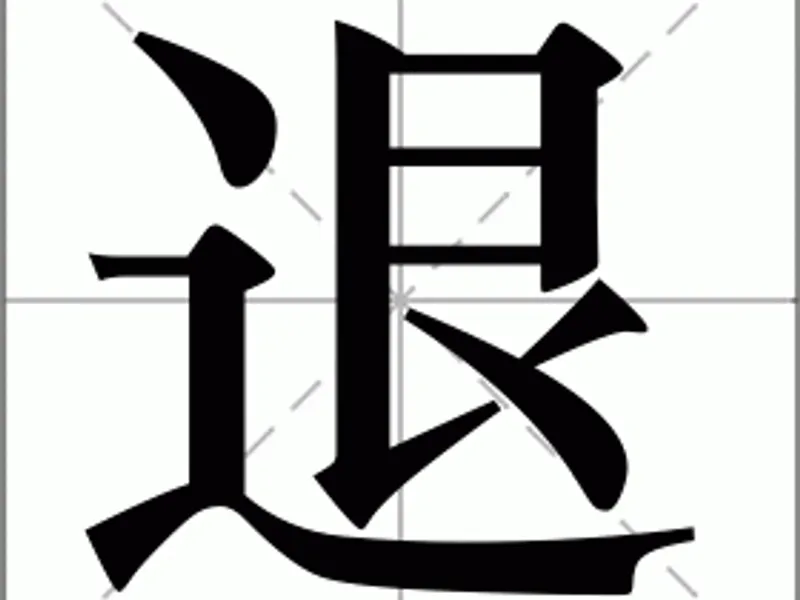
Simplified: 退 Traditional: 退 Pinyin: tuì Meaning: to retreat; to withdraw; to decline; to refund; to fade The Chinese character 退 (tuì) represents the concept of backward movement, withdrawal, and r...
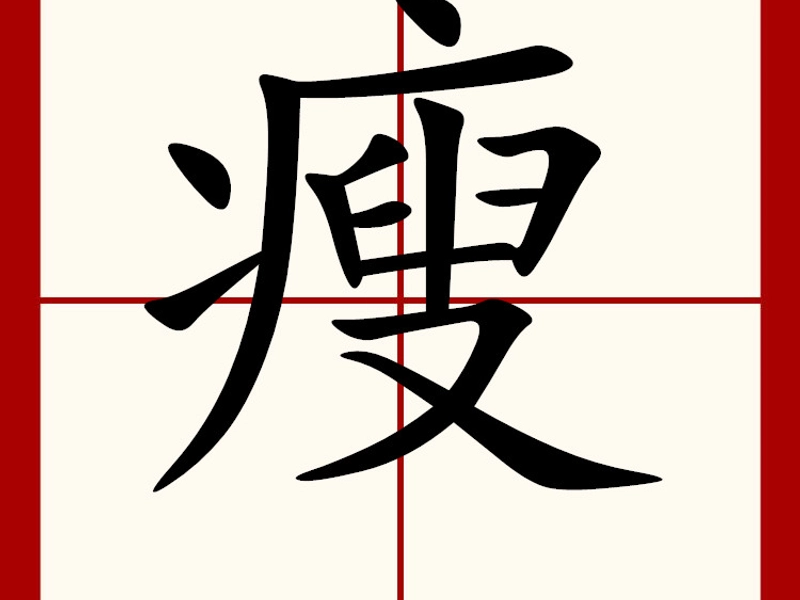
Simplified: 瘦 Traditional: 瘦 Pinyin: shòu Meaning: thin; lean; emaciated; tight (of clothing) The Chinese character 瘦 (shòu) represents the concept of thinness, leanness, and lack of plumpness. As t...