Marshmallow In Chinese
Table of Contents [hide]
It’s Not What You Think (and That’s Okay)
If you’ve searched 'marshmallow in Chinese' and found terms like 'mian hua tang' or 'tang guo', you’re not alone — and your confusion is completely justified. There is no single, standardized Chinese word for the soft, gelatin-based marshmallow familiar in Western countries, and this absence reflects deep linguistic and cultural realities rather than any deficiency in the language itself. Traditional Chinese confectionery vocabulary simply doesn’t have a direct counterpart, because marshmallows didn’t originate in China and weren’t part of its historical candy repertoire — they were invented in ancient Egypt using sap from the mallow plant, refined in 19th-century France with egg whites and sugar, and industrialized in early 20th-century America with gelatin and corn syrup. As a result, when this distinctly Western confection entered Chinese-speaking markets in the mid-to-late 20th century, it arrived without an established lexical home. Instead, speakers rely on descriptive borrowing — adapting existing words based on appearance, texture, context, or functional similarity. This isn’t a gap in the language; it’s how living languages naturally accommodate new concepts, especially those tied to globalization, food culture, and consumer trends. So let’s focus on how real people *actually* refer to marshmallows in Chinese: clearly, consistently, and conversationally — not as dictionary entries, but as tools used daily in cafes, supermarkets, online shopping platforms like Taobao and JD.com, and even bilingual ingredient labels on imported snack packaging. Understanding this pragmatic usage helps learners move beyond textbook rigidity and into authentic, fluent communication. Learn more: Study Chinese | Programs & Services - RPL School. Learn Chinese step-by-stepHSK course options
2. Meet the Real Chinese Word for Marshmallow
The most widely used and understood term across mainland China, Taiwan, Hong Kong, and overseas Chinese communities is 棉花糖 (mián huā táng). Literally, it means 'cotton candy' — the spun-sugar treat sold at fairs, carnivals, and night markets. Yet in everyday speech — especially in modern urban contexts such as specialty coffee shops serving s'mores lattes, international supermarket chains like City'super or Ole’, and youth-oriented snack brands — 棉花糖 is routinely used for both cotton candy *and* the pillowy, store-bought marshmallow. Why? Because both share the same defining sensory qualities: light, fluffy, white, airy, melt-in-your-mouth texture, and intensely sweet flavor profile. Chinese often prioritizes functional description over strict taxonomic accuracy, so the visual and experiential overlap makes 棉花糖 the natural, practical choice. It’s not ‘wrong’ — it’s how the language works in real life. Linguists call this semantic extension: when a word broadens to cover a new but closely related concept. Think of English using 'mouse' for both the rodent and the computer device — same logic applies. Even native speakers rarely distinguish between the two in casual speech unless context demands clarity (e.g., ordering at a street vendor vs. reading a baking recipe). Importantly, this usage is reinforced by packaging: many domestic Chinese marshmallow products — including popular brands like Mengniu’s marshmallow yogurt toppings or Yili’s marshmallow-flavored milk drinks — use 棉花糖 prominently on their labels, further cementing its colloquial legitimacy.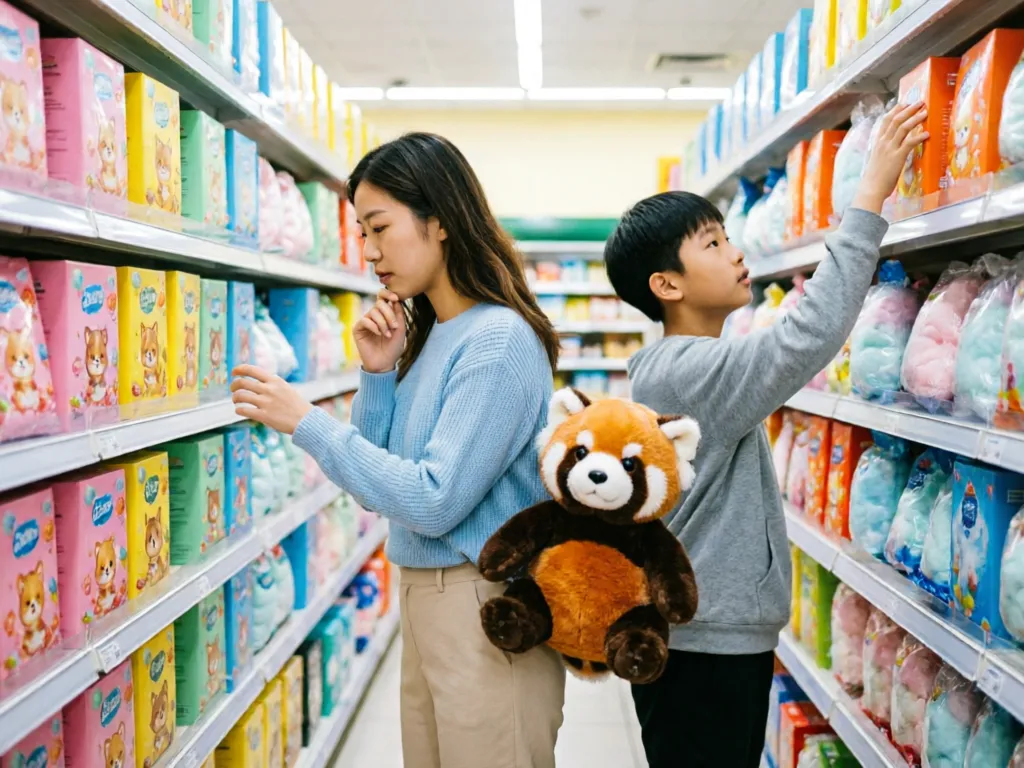 .
.Online Chinese coursesOne-on-one tutoring
3. How to Say Marshmallow in Chinese — With Tone Precision
Pronouncing 棉花糖 correctly ensures clarity — especially the tones: mián (2nd tone, rising), huā (1st tone, flat), táng (2nd tone, rising). In connected speech, tone sandhi applies: when two 2nd-tone syllables meet (mián + huā), the first shifts to a rising-falling contour — sounding like *míán huā táng*. This subtle but critical shift is essential for intelligibility; mispronouncing it as *miān huā táng* (with a high-flat first tone) may cause listeners to momentarily parse it as 'cotton flower sugar' — an odd phrase that breaks fluency. Practice slowly, then gradually increase speed while recording yourself against native audio resources. To reinforce this and related vocabulary, here are eight high-frequency dessert terms with precise tone notes and phonetic guidance: 棉花糖 (mián huā táng) — cotton candy / marshmallow (colloquial); 糖 (táng) — sugar or candy (generic, monosyllabic and highly versatile); 软糖 (ruǎn táng) — gummy candy (literally 'soft candy'; often used for chewy, gelatinous sweets including some denser marshmallow varieties); 巧克力 (qiǎo kè lì) — chocolate (a three-syllable loanword with stable tones: 3-4-4); 甜点 (tián diǎn) — dessert (literally 'sweet point'; used broadly in restaurants and bakeries); 零食 (líng shí) — snack (a compound meaning 'zero food' — i.e., non-meal items); 甜 (tián) — sweet (adjective and noun; foundational for describing taste); 糖果 (táng guǒ) — candy (countable noun; literally 'sugar fruit', used for individual pieces or types of confections). Each of these appears frequently in food-related HSK exams, restaurant menus, and e-commerce product descriptions — making them indispensable for practical fluency. Learn more: Programs | Browse All Programs in One Place - RPL School. Free pronunciation guidePrivate lessons
4. Desserts in Chinese Language: A Mini Reference Table
| Chinese | Pinyin (Tones + Notes) | Meaning / Usage |
|---|---|---|
| 棉花糖 | mián huā táng (2-1-2; note: mián → míán before huā due to tone sandhi) | Cotton candy; colloquially used for marshmallow — dominant term in spoken Mandarin, signage, packaging, and digital search results |
| 软糖 | ruǎn táng (3-2; ruǎn starts with retroflex 'r', not 'l'; mouth slightly curled back) | Gummy candy — texture-based term, sometimes extended to chewy marshmallows (e.g., mini marshmallow bites or jellied versions); common in ingredient lists |
| 奶糖 | nǎi táng (3-2; nǎi has clear nasal 'n' + falling-rising tone; emphasizes dairy richness) | Milk candy — creamy, chewy; closer in mouthfeel to some marshmallow varieties, especially those with condensed milk or butter content; often used in comparative descriptions |
| 甜点 | tián diǎn (1-3; tián is high-flat, diǎn dips then rises — think 'dian' like 'di-an') | Dessert — umbrella term; useful when ordering or describing context (e.g., 'This café has great 甜点'); includes cakes, puddings, and marshmallow-topped treats |
| 糕点 | gāo diǎn (1-3; gāo starts with unaspirated 'g' — no puff of air, like 'go' not 'koh') | Pastry/delicacy — includes sponge cakes, mooncakes, and sometimes marshmallow-topped ones (e.g., marshmallow buns or marshmallow-stuffed pastries) |
| 膨化食品 | péng huà shí pǐn (2-4-2-3; péng is light, airy — matches 'marshmallow' concept; huà = 'transform', shí pǐn = 'food') | Puffed food — technical category including some processed marshmallow snacks, extruded marshmallow cereals, or puffed rice bars with marshmallow coating; appears on nutrition labels and regulatory documents |
All Chinese coursesSpecialized dessert vocabulary list