Teaching Chinese

Comprehensive guides for teaching Chinese effectively

Illustration of mobile payment in China, featuring Alipay and WeChat Pay on smartphones, highlighting cashless transactions, QR code payments, and the integration of digital wallets into everyday life, showcasing the transformation of Chinese payment culture and fintech innovation.
Alipay and WeChat Pay: The Twin Giants Transforming Mobile Payment in China
China Digital Payment Over the past two decades, payment methods in China have undergone a dramatic transformation. From cash to bank cards and now to mobile payment, nearly every aspect of da...
Read More

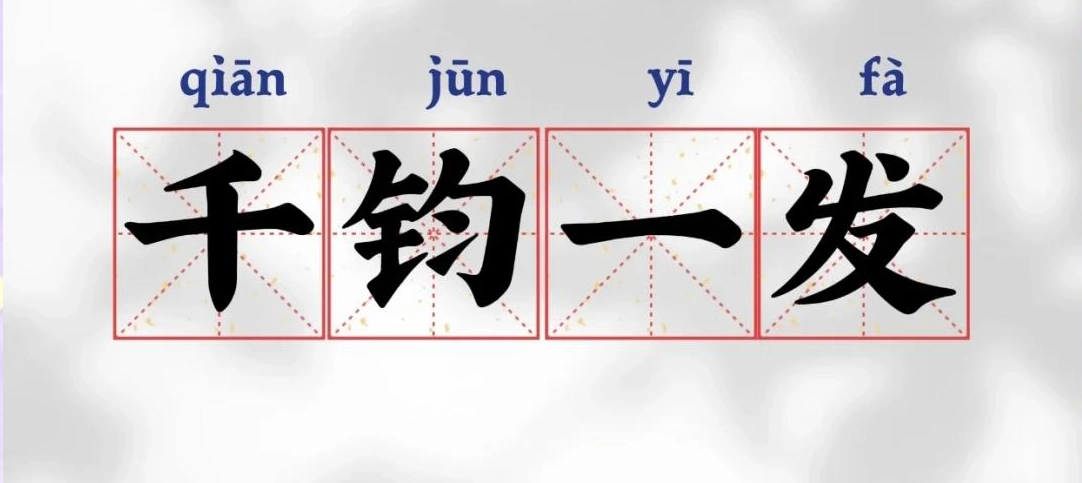
Illustration of the Chinese idiom 千钧一发 (qiān jūn yī fà) meaning 'a thousand jūn hanging by a single hair,' depicting a heavy weight precariously suspended by a thin hair above a deep abyss, inspired by Mei Cheng warning King Liu Pi during the Western Han Dynasty, symbolizing extreme danger and critical situations in Chinese culture and idiom study.
Chinese Idiom Story —— 千钧一发
What Does 千钧一发 Mean?Pinyin: qiān jūn yī fà English Translation: “a thousand jūn hanging by a single hair” (figuratively: a situation that is extremely precarious or dangerous)The Chinese idiom 千钧一发...
Read More
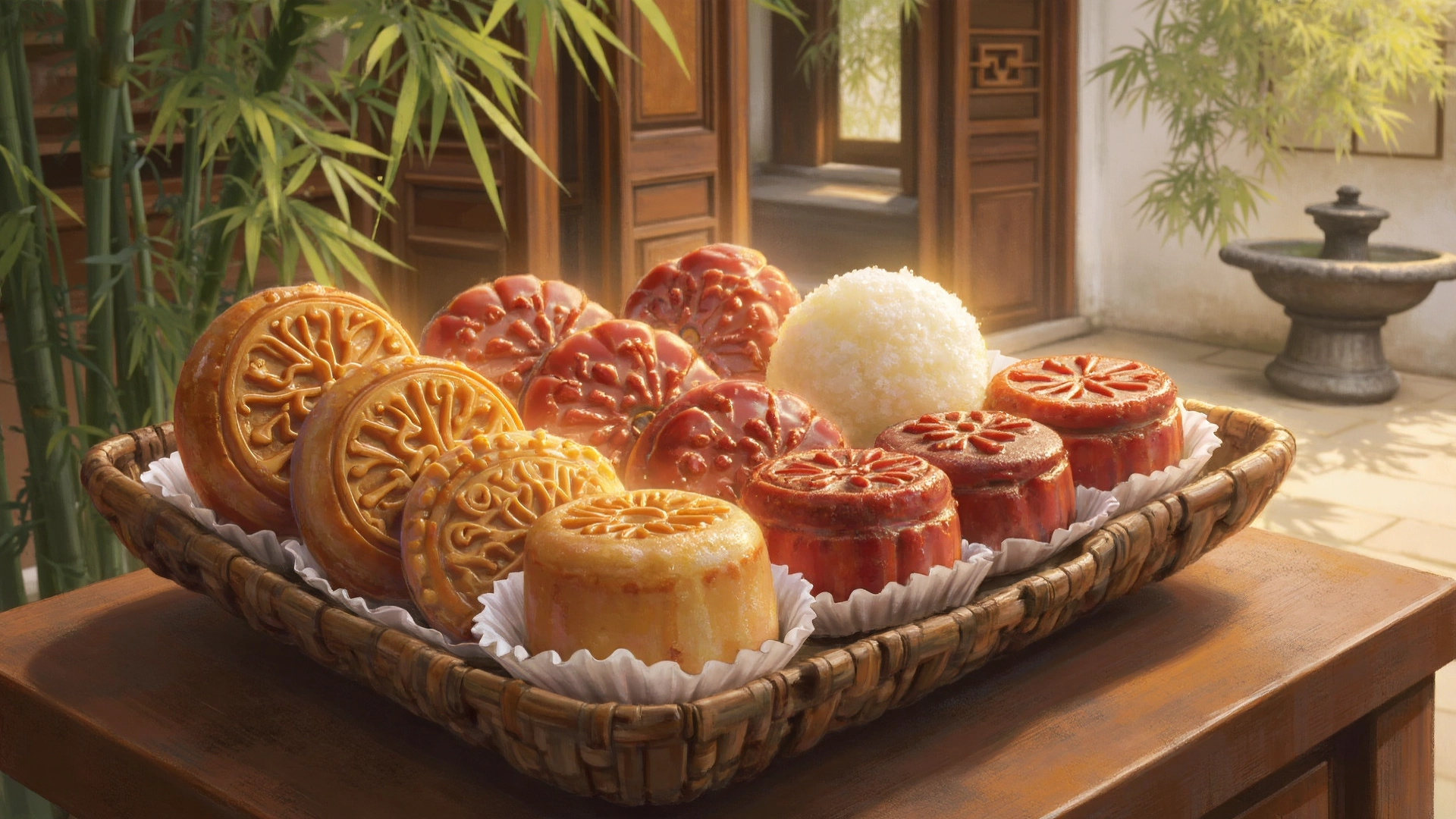
Assortment of traditional Chinese desserts including Tangyuan, Mooncakes, Niangao, red bean sweets, and sesame treats, showcasing cultural symbolism, festive flavors, and regional specialties.
Discover the Sweet World of Chinese Desserts
Chinese desserts are not only delicious but also a window into China’s rich culture and history. For learners of Chinese, exploring these sweet treats offers a fun way to connect with the language whi...
Read More
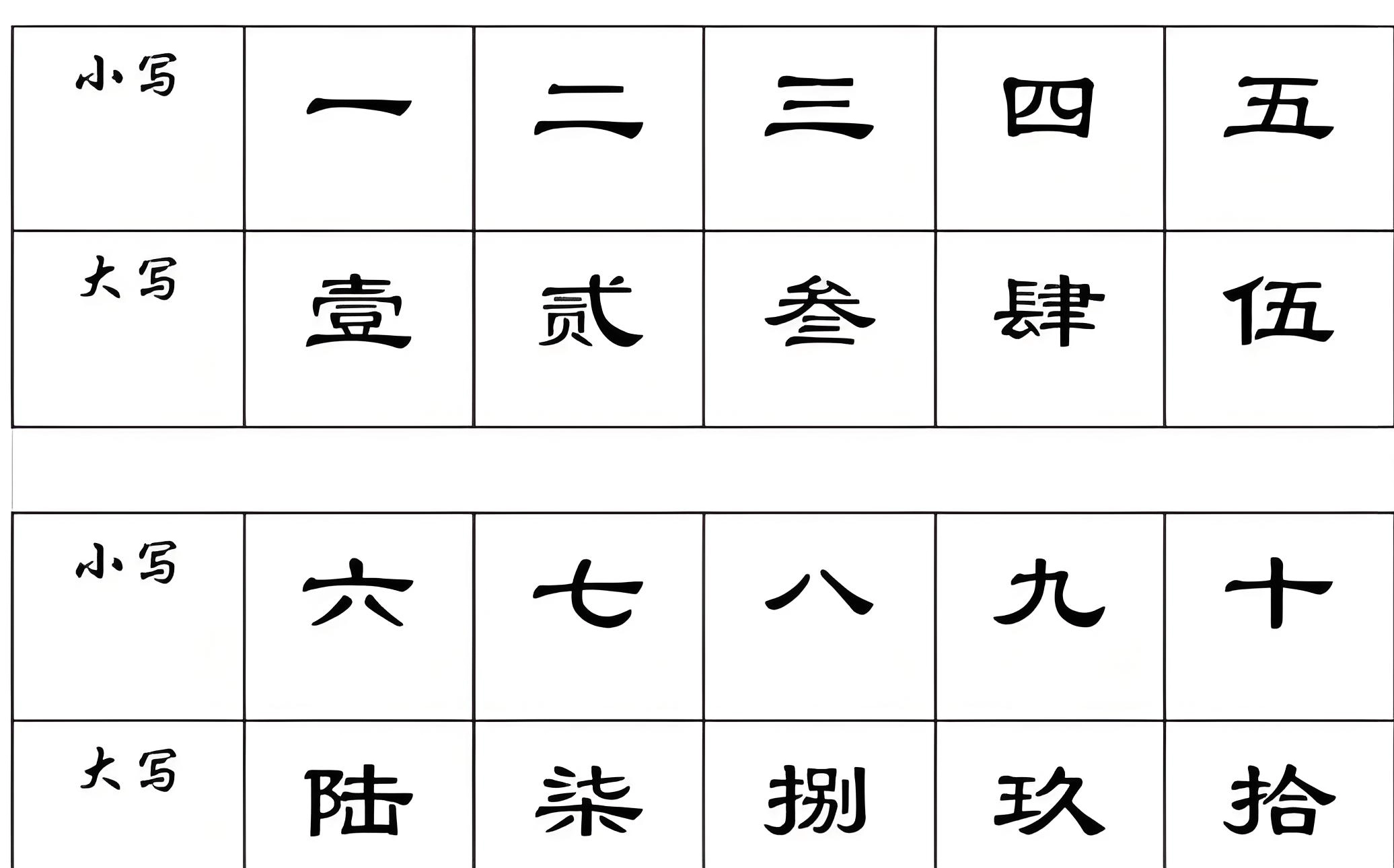
An educational visual illustrating Chinese numbers, showing Arabic numerals (0–9), English numbers (zero–nine), small case Chinese numerals (零, 一, 二, 三…), and uppercase Chinese numerals (零, 壹, 贰, 叁…), with pinyin and English translations, examples of usage in daily life and financial documents, historical origins from the Eastern Jin to Ming dynasty, rules for writing uppercase numbers, and cultural significance of each numeral, providing a comprehensive guide for Chinese learning and understanding traditional numeric practices.
Mastering Chinese Numbers: From Small Case to Uppercase Numerals
Chinese Numbers Guide...
Read More
Runners participating in a city marathon in China, wearing colorful sports gear and running through urban streets.
China’s Top 10 Popular Sports: A Guide for Chinese Learners
Top 10 Sports in China
Read More
An educational visual depicting Xie An, a Jin Dynasty noble and scholar, rising from seclusion on Dongshan to resume official duties, illustrating the origin of the idiom 东山再起 (dōng shān zài qǐ) and symbolizing regaining power or making a comeback after a setback.
Idiom story ——东山再起
In the year 383 AD, Fu Jian personally led an army of 870,000 troops from Chang’an. Along the southern road, dust billowed as infantry, cavalry, vehicles, horses, and supplies formed a massive, nearly...
Read More
An educational visual illustrating the Chinese character “日” (rì), showing its origin as a pictograph of the sun with a circle and central dot, its role as a symbol of the sun, time, brightness, and daily cycles, with examples like 明 (míng, bright), 晴 (qíng, clear), 暖 (nuǎn, warm), and 晨 (chén, morning), highlighting its cultural significance in Chinese calendars, literature, and symbolism of hope and vitality.
The Meaning and Cultural Significance of the Character “日” (Sun/Day)
Basic Meaning The character 日 is pictographic, originally representing the sun. In oracle bone script, it was drawn as a circle with a dot in the center, symbolizing the sun. As one of the most f...
Read More
An educational visual explaining the Chinese character “月” (yuè), showing its origin as a pictograph of a crescent moon, its meanings as the moon, months, body-related concepts (as the “肉” radical), and associations with brightness, clarity, and haziness, with examples like 胖 (pàng, fat), 明 (míng, bright), 朗 (lǎng, clear), and 朦 (méng, hazy), highlighting its cultural significance in the lunar calendar, poetry, festivals, and symbolism of beauty, longing, and romance.
The Meaning and Cultural Significance of the Character “月” (Moon/Month)
Basic Meaning The character 月 is pictographic, originally representing the moon. In ancient scripts, it was depicted as a crescent, resembling a new moon in the night sky. As one of the most fund...
Read More
An educational visual explaining the Chinese character “王” (wáng), showing its origin as a pictograph of a ruler with intersecting lines symbolizing heaven, earth, and humanity, its meanings as monarch, authority, power, and honor, with examples like 珠 (zhū, pearl), 玩 (wán, play), 主 (zhǔ, master), and 皇 (huáng, emperor), highlighting its cultural significance in governance, literature, social status, and expressions of excellence and supremacy.
The Meaning and Cultural Significance of the Character “王” (King/Ruler)
Basic Meaning The character 王 is pictographic, originally representing a ruler or monarch. In oracle bone and bronze inscriptions, it was depicted with intersecting lines symbolizing the connecti...
Read More
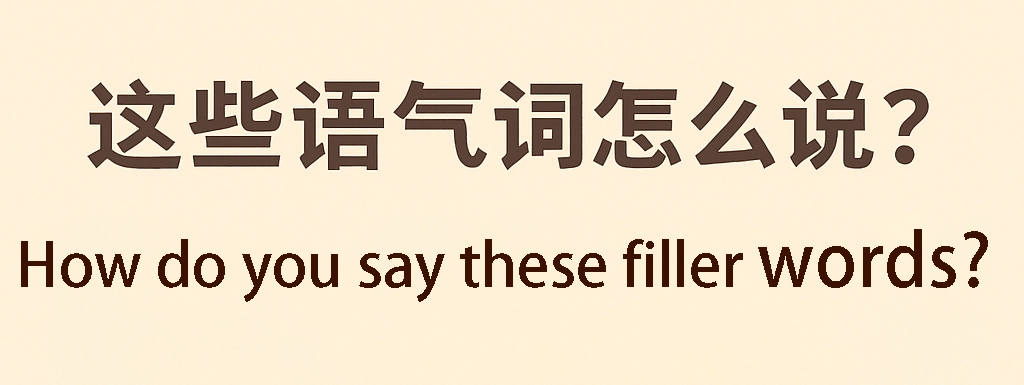
Illustration of common Chinese filler words and particles with examples in English and Chinese for language learners.
How do you say these filler words in Chinese?
Every country has its own filler words. How do those everyday expressions you're so used to say in Chinese? Now, let's have a quick and simple look! English Filler/Expression Cor...
Read More
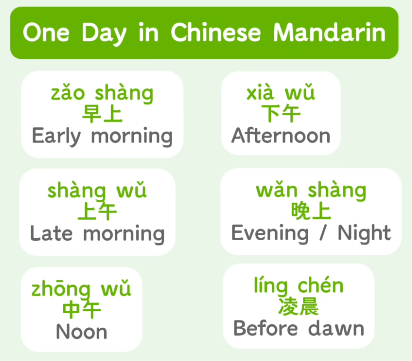
China Time Guide: Time Zones, Daylight Savings & Useful Mandarin Phrases & Time in China.
Time in China | Your Complete Guide
China Time Guide: Time Zones, Daylight Savings & Useful Mandarin Phrases...
Read More
Infographic explaining Chinese job postings with key sections—position, salary & benefits, work location, and job requirements—designed for Mandarin learners to master business Chinese and workplace vocabulary.
Master These Skills to Stand Out from Job Postings
In the workplace, understanding job postings not only helps you find the right position but also allows you to confidently present yourself in interviews. Learning to read job postings and grasp the k...
Read More
Ask Tino
×

Get In Touch

We'd love to hear from you! Please fill out the form below.

WhatsApp code wechat code