Teaching Chinese

Comprehensive guides for teaching Chinese effectively

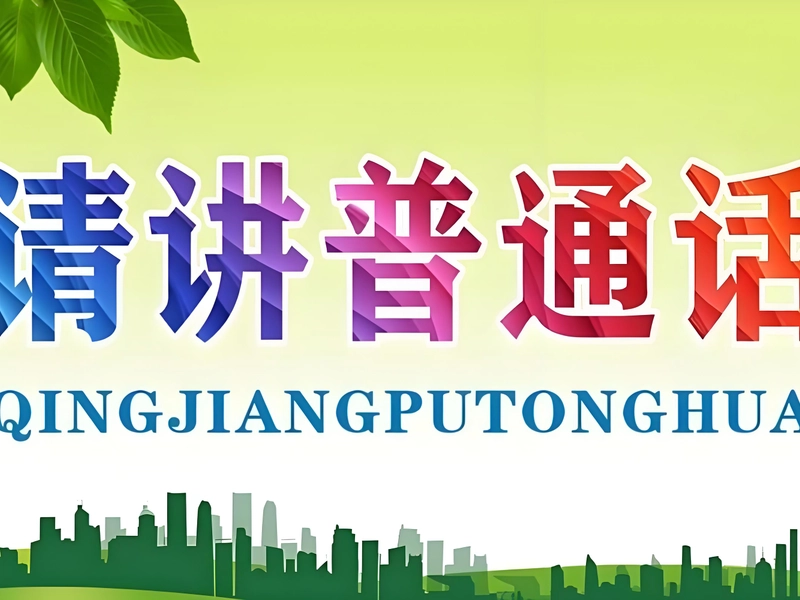
Infographic-style illustration depicting the history, significance, and modern usage of Mandarin (普通话, pǔtōnghuà): the evolution from early Chinese spoken forms through the Zhou, Ming, and Qing dynasties, the standardization based on the Beijing dialect, and global adoption. Includes representations of Chinese characters (汉字, hànzì), pinyin, regional dialects, language learning tools, education, media, technology, and international communication, highlighting Mandarin as a unifying language and a key part of Chinese cultural identity.
Mandarin / Putonghua: The History, Significance, and Modern Usage of China’s Official Language
Mandarin, also widely known as Putonghua (普通话, pǔtōnghuà), is the standard form of the Chinese language and serves as the official language of China. It is not only a linguistic tool for communicat...
Read More

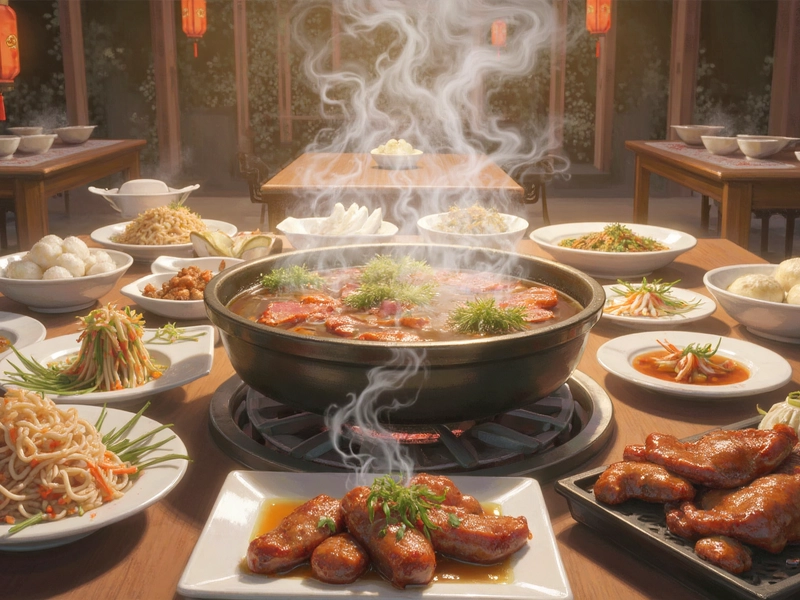
Colorful illustration showcasing the diversity of Chinese cuisine, from traditional dishes to modern culinary trends. Depicts iconic foods such as dumplings (饺子, jiǎozi), Peking duck (北京烤鸭, běijīng kǎoyā), mapo tofu (麻婆豆腐, mápó dòufu), dim sum (点心, diǎnxīn), hot pot (火锅, huǒguō), and spring rolls (春卷, chūnjuǎn). Highlights regional specialties from Sichuan, Guangdong, Hunan, and Northern China, street food snacks, buffet-style dining, and contemporary fusion influenced by Western, Japanese, and Korean trends. Includes elements representing cultural heritage, flavors, and culinary history of China.
Exploring Chinese Food: From Traditional Dishes to Modern Culinary Trends
Chinese food is one of the world’s most celebrated and diverse cuisines. With thousands of years of history, China has developed an incredibly rich culinary tradition that reflects its vast geograp...
Read More
Illustration of the Chinese idiom 天衣无缝, meaning flawless and seamless
Chinese Idiom Story —— 天衣无缝
Chinese Idiom 天衣无缝
Read More
Illustration of famous international fairy tales with Chinese names, including the Monkey King, Aladdin and the Magic Lamp, Little Red Riding Hood, Pinocchio, Hansel and Gretel, Cinderella, adventures of a wooden puppet, Cinderella’s pumpkin coach, Frozen, clever fox stories, Jack and the Beanstalk, and Pippi Longstocking, featuring magical landscapes, enchanted forests, whimsical characters, and fantastical adventures for Chinese language learning and cultural exploration.
Say These Famous Fairy Tales in Chinese: A Global Story Adventure
Global Fairy Tales in Chinese
Read More
Illustration of Chinese reduplication words in everyday life, showing seasons and emotions: sleepy mornings, bustling streets, colorful spring gardens, lively summer scenes, calm autumn afternoons, snowy winters, friendship, love, and family gatherings, featuring common Chinese repeating words such as 迷迷糊糊, 马马虎虎, 蹦蹦跳跳, 甜甜蜜蜜, 团团圆圆, and more for language learning and cultural exploration.
Learn Chinese Reduplication Words: A Guide for Language Learners
Chinese Reduplication Words Guide
Read More
phenomenon. Storytelling Beyond Memes While short clips introduced Nai Loong internationally, the mid-length episodes provide depth and narrative.
Nai Loong: From Chinese Animation Sensation to Global Viral Meme
Nai Loong: Global Sensation
Read More
Illustration of Chinese civilian drones (中国民用无人机) depicted flying in coordinated formations over a cityscape, creating luminous patterns and Chinese characters in the night sky, with cameras capturing aerial footage, festival lights, and spectators watching, representing technology, art, cultural innovation, and global influence of Chinese drones.
The Rise of Chinese Civilian Drones: Technology Meets Aerial Art
Chinese Civilian Drones
Read More
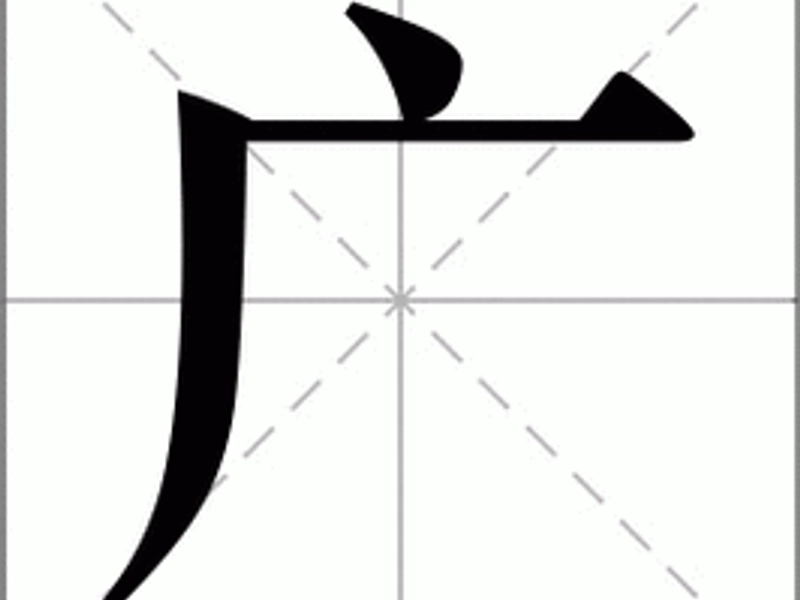
Illustration of the Chinese character 广 (guǎng, wide/extensive) depicted as a spacious plaza and grand building with open sky, people walking, and sunlight illuminating the area, representing openness, magnitude, inclusiveness, and architectural or societal breadth in Chinese culture.
The Meaning and Cultural Significance of the Character “广” (Wide/Extensive)
The Meaning and Cultural Significance of 广
Read More
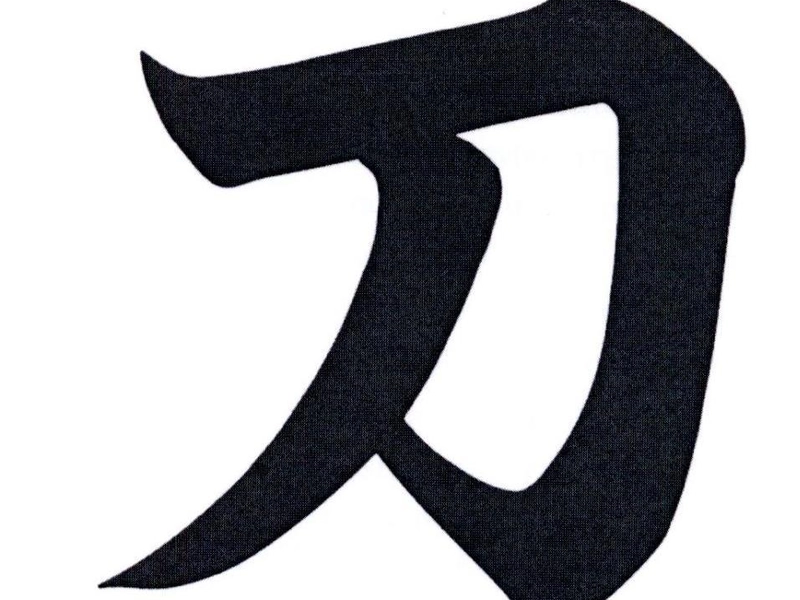
Illustration of the Chinese character 刀 (dāo, knife/blade) depicted as a sharp single-edged blade cutting through objects, with kitchen knives, swords, and abstract lines emphasizing precision and action, representing utility, martial culture, decisiveness, and symbolic meaning in Chinese language and daily life.
The Meaning and Cultural Significance of the Chinese Character “刀” (Knife/Blade)
The Meaning and Cultural Significance of 刀.
Read More
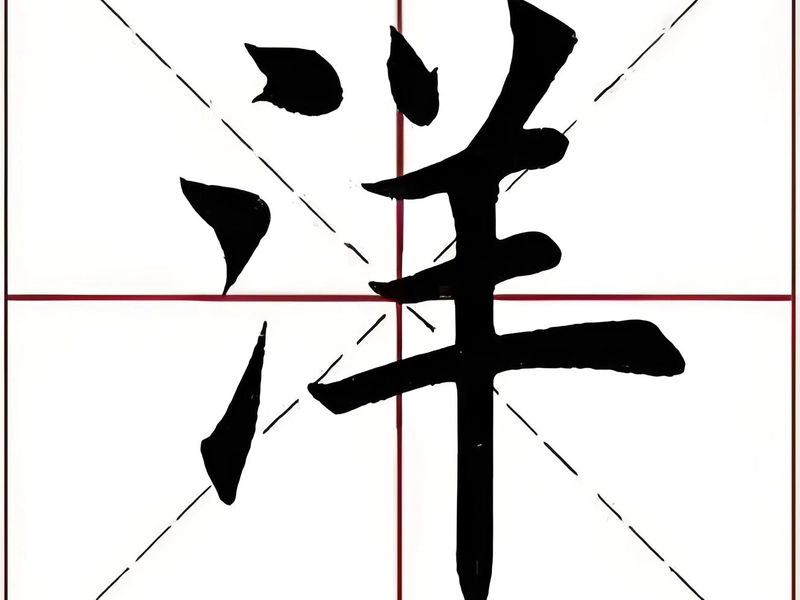
Illustration of the Chinese character 洋 (yáng, ocean/foreign) depicted with expansive ocean waves, a foreign ship, and Western cultural symbols, representing openness, vastness, international influence, and modern style in Chinese language and culture.
The Meaning and Cultural Significance of the Chinese Character “洋” (Ocean/Foreign)
The Chinese character “洋” (yáng, ocean/foreign) is a widely used Chinese character that represents vast waters, oceans, and foreign influences. It conveys ideas of openness, expansiveness, and interna...
Read More
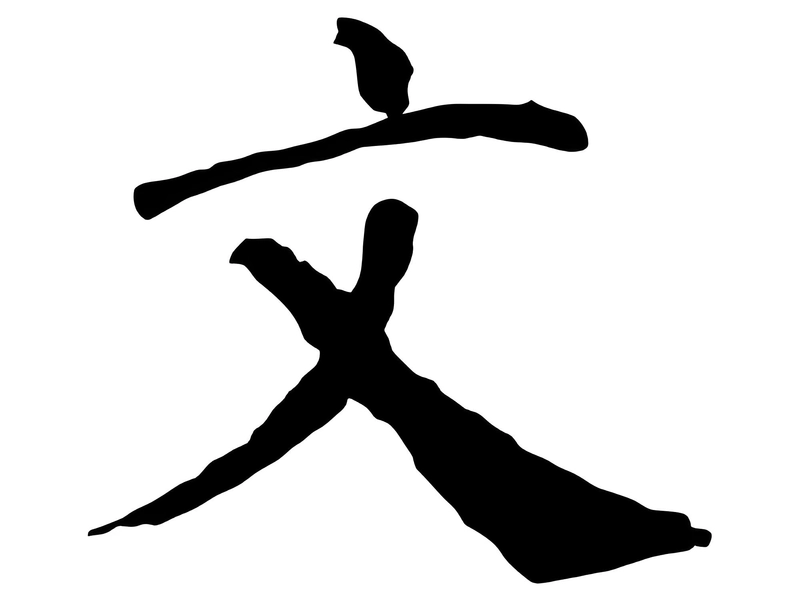
Illustration of the Chinese character 文 (wén, chinese-culture/writing) depicted with ancient scrolls, books, a scholar writing with a brush, and symbolic patterns of civilization, representing writing, literature, culture, education, and intellectual refinement in Chinese language and culture.
The Meaning and Cultural Significance of the Chinese Character “文” (chinese-culture/Writing)
The Chinese character “文” (wén, chinese-culture/writing) is a fundamental Chinese character that represents writing, literature, and cultural refinement. It conveys ideas of education, civilization, and intel...
Read More
Illustration of the Chinese proverb 留得青山在,不怕没柴烧 (liú dé qīng shān zài, bù pà méi chái shāo), showing green hills standing tall while firewood is gathered below, symbolizing the wisdom of preserving what is essential for future survival, a cultural lesson in resilience and long-term thinking from Chinese proverbs.
Proverb Education —— 留得青山在,不怕没柴烧
What Does 留得青山在,不怕没柴烧 Mean?A proverb (谚语) is a short and widely known saying that conveys practical advice, cultural wisdom, or a universal truth. Learning Chinese proverbs is not only a way to unde...
Read More
Ask Tino
×

Get In Touch

We'd love to hear from you! Please fill out the form below.

WhatsApp code wechat code