Teaching Chinese

Comprehensive guides for teaching Chinese effectively

red panda
Meeting the Red Panda
What is a Red Panda? The red panda is one of the most photographed animals few people could describe accurately. Most have seen its small body, its rust-colored coat, its face that seems permanently t...
Read More

Chinese Fruits
Savor These 10 Must-Try Chinese Fruits
China’s diverse climate and rich agricultural heritage have produced an array of delicious and unique fruits. From tropical delights to symbolic seasonal treats, here are ten fruits you shouldn’t miss...
Read More
happy-birthday-in-chinese
Ways to Say “Happy Birthday” in Chinese: Language, Culture, and Customs
Birthdays are universally cherished, and in China they carry their own blend of warmth, symbolism, and tradition. From simple spoken wishes to time-honored customs, expressing birthday greetings in Ch...
Read More
the Chinese Family
Decoding the Chinese Family Tree
China is widely regarded as one of the world’s most family-oriented societies, and this deep-rooted emphasis on kinship is woven directly into the Chinese language itself. Unlike English, Chinese uses...
Read More
Traditional Chinese Characters
Introduction to Traditional Chinese Characters
Traditional Chinese characters represent the original forms of the Chinese writing system, shaped and standardized over centuries of historical use. Many of these characters preserve complex structure...
Read More
What is the Chinese currency called?
China has the world’s second largest economy and Chinese money plays an increasingly important role in global financial transactions. That said, there's still a great deal of confusion when it comes t...
Read More
How many Chinese characters are there?
How Many Characters Are There in Chinese?
Identifying the exact number of Chinese characters in existence is an elusive task. Still, reliable estimates for both ancient Chinese (古代汉语 gǔdài hànyǔ) and modern Chinese (现代汉语 xiàndài hànyǔ) do exi...
Read More
A visual guide to natural Mandarin greetings, showing common phrases like 最近怎么样, 您好, and 吃了吗, representing how native Chinese speakers actually say “How are you?” in real-life situations.
How Are You in Chinese
A Practical, Cultural, and Linguistic Guide to One of the Most Common Mandarin Greetings Saying “How are you?” seems easy in English, but in Mandarin Chinese, this everyday phrase carries layers of cu...
Read More
A Chinese language learner practicing saying “you’re welcome” in Mandarin with phrases like 不客气, 哪里, and 应该的, reflecting polite responses, cultural etiquette, and everyday conversation in China.
How to Say and Use You're Welcome in Chinese (Mandarin)
Learning a new language is more than memorizing vocabulary—it’s about understanding culture, context, and social norms. In Mandarin Chinese, saying “you’re welcome” is not always a direct translation ...
Read More
A Mandarin learner practicing the word “with” in Chinese using 和, 用, 带, and 以, showing correct usage for accompaniment, instruments, manner, and possession in daily conversation and formal contexts.
How to Say “With” in Chinese and Use It Correctly
Understanding prepositions is one of the trickiest aspects of learning a new language. In English, the word “with” has multiple uses: indicating accompaniment, manner, possession, instrument, or assoc...
Read More
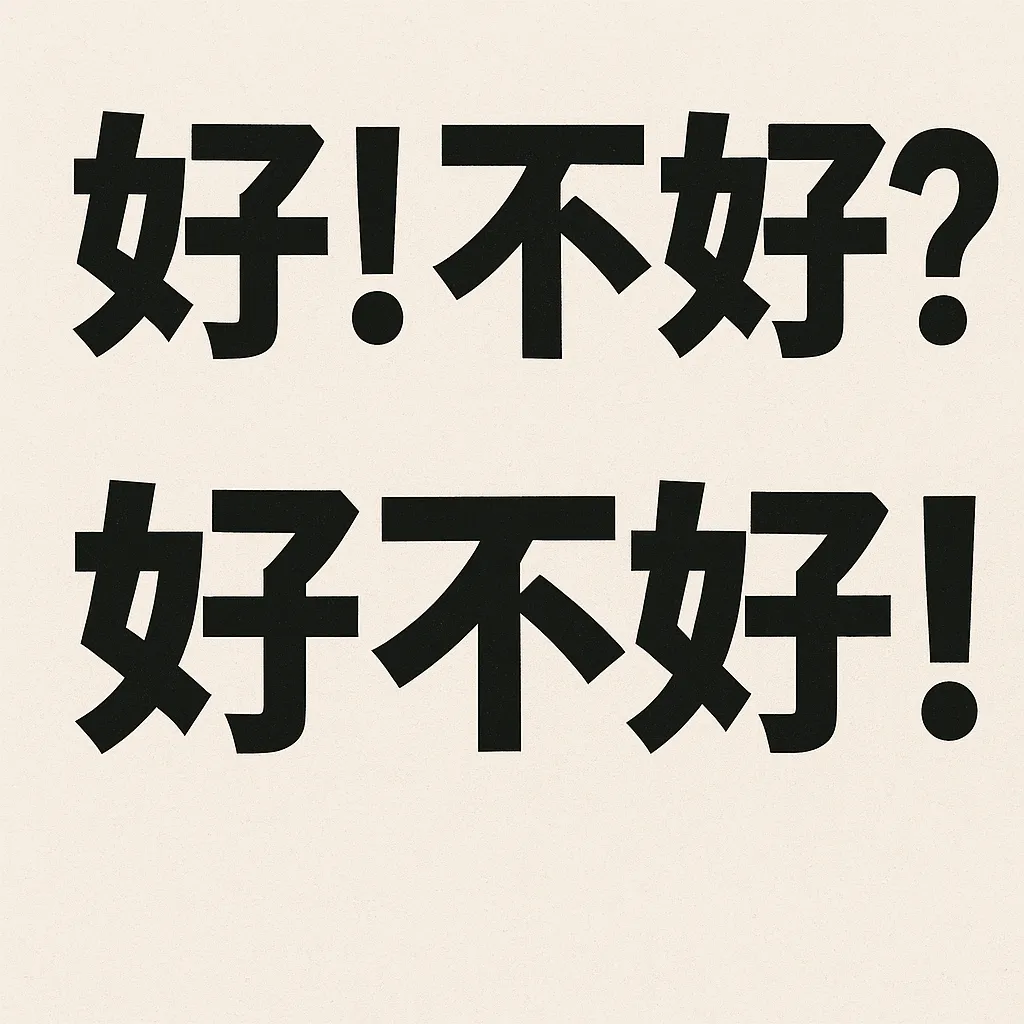
Chinese words 好, 不好, and 好不好 written with pinyin and English translations for learning Mandarin conversation.
Understanding 好, 不好, and 好不好 in Chinese
When learning Chinese, three of the most fundamental expressions are 好 (hǎo), 不好 (bù hǎo), and 好不好 (hǎo bù hǎo). These simple words are used in everyday conversation to express agreement, disagreement...
Read More
Chinese words 想 and 要 with pinyin and English translation, showing how to express “want” in Mandarin.
“Want” in Mandarin: Understanding Desire, Expression, and Cultural Context
Learning how to express “want” in Mandarin is fundamental for communication. But beyond grammar, how Chinese people express desire reflects cultural values, personality traits, and social norms. In th...
Read More
Ask Tino
×

Get In Touch

We'd love to hear from you! Please fill out the form below.

WhatsApp code wechat code