
The 2026 Paradox: Why We Write in the Age of Silence
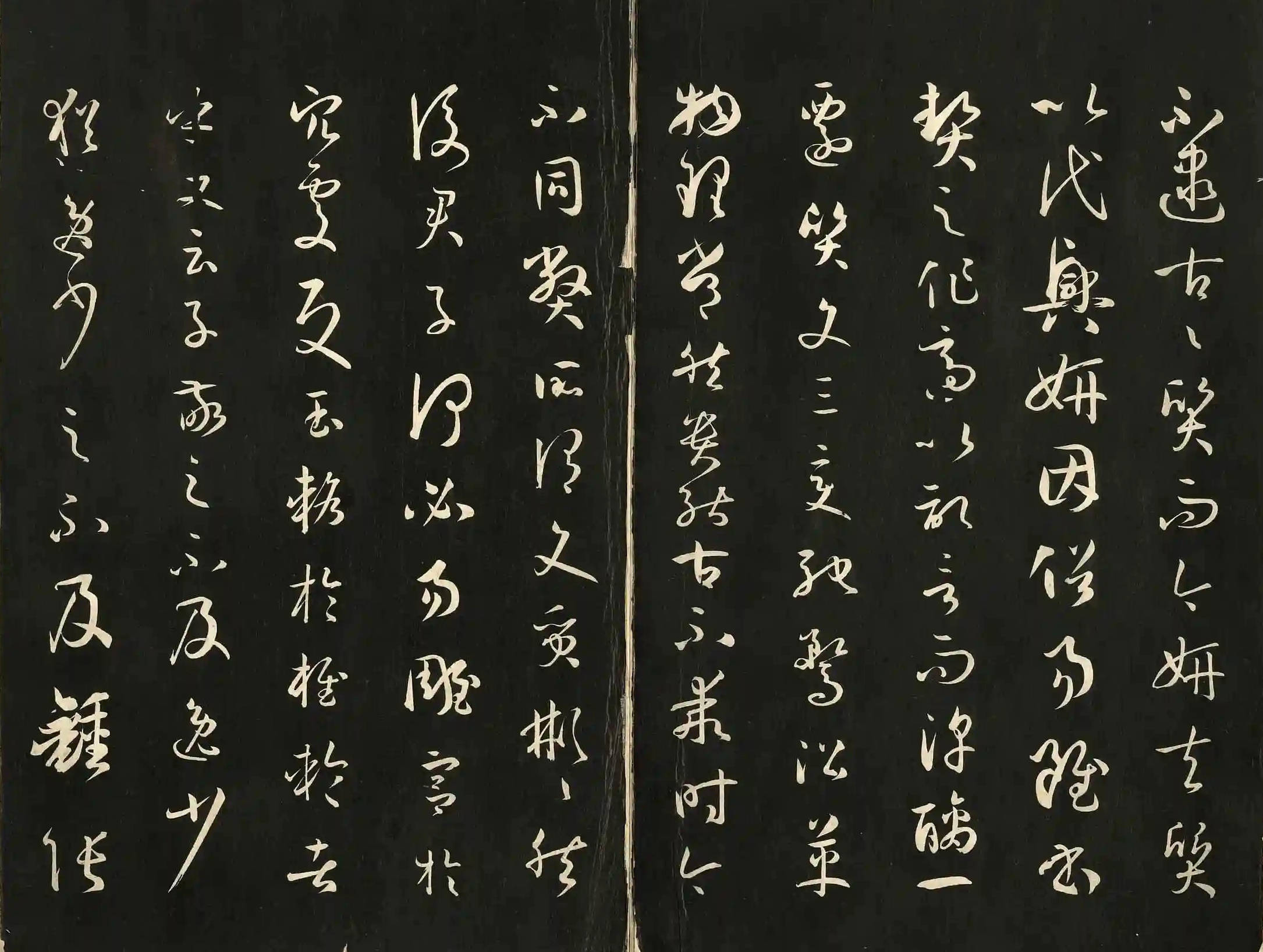
Decoding the architectural beauty and cognitive power of Hanzi in 2026.
Table of Contents
By early 2026, the long-prophesied "Universal Translator" has finally moved from science fiction to standard hardware. As you walk through the neon-lit streets of Shanghai or the bustling tech hubs of Shenzhen, your AR glasses instantly overlay crisp English subtitles onto every storefront, and your neural-linked earbuds translate local dialects with a latency so low it's practically imperceptible. In this hyper-connected reality, the functional necessity of learning a foreign script has seemingly evaporated. If an algorithm can decode the most complex Hanzi in milliseconds and render it into your native tongue, why bother with the grueling task of memorization? We have reached a point where we can communicate with everyone, yet understand no one. The tech context of 2026 presents us with a strange irony: as AI vs. Human translation reaches its zenith, the sheer ease of information exchange has made our interactions feel transactional and hollow, leaving us with a linguistic "last mile" that technology simply cannot bridge.
The Thesis — From Information Tool to Digital Mindfulness
This brings us to the core of the 2026 Paradox: Learning Chinese in 2026 is no longer about the utility of information, but about the quality of the experience. We must recognize that while translation is the machine’s job, "cultivation" (修行 - Xiūxíng) remains the exclusive domain of the human spirit. In this digital landscape, the Chinese character is no longer merely a carrier of data; it has evolved into a powerful form of Digital Mindfulness. When you slow down to trace the stroke of a character, you are not just "processing input"—you are reclaiming your attention from the relentless stream of the attention economy. In an era where AI can mimic the output of any mind, the act of learning Hanzi becomes a deliberate choice to engage with a 4,000-year-old aesthetic logic. It is a rebellion against the "efficiency-only" mindset. By choosing to learn, write, and feel the characters, we are not just learning a language; we are practicing a form of mental architecture that grounds us in our own humanity, transforming a "foreign script" into a sanctuary of focus.
Architecture of the Soul: Hanzi as Micro-Buildings
The Physics of Balance — The Art of "Jianjia Jiegou"
To understand Chinese character aesthetics, one must first view each character not as a flat symbol, but as a three-dimensional structure suspended in a perfect square. This is the ancient art of 间架结构 (Jiānjià jiégòu)—the architectural framework of Hanzi. Every stroke is a beam; every dot is a weight-bearing pillar. In this silent play of geometry, there is a constant struggle between gravity, tension, and empty space. A masterfully written character like "永" (Forever) or "承" (To Bear) isn't just a word; it is a lesson in structural integrity. When a student learns the structure of Hanzi, they are essentially learning the physics of balance. They begin to see how a slight shift in a vertical hook or the lengthening of a horizontal sweep can change the "center of gravity" of the entire thought. It is a visual dialogue where "white space" (留白) is as vital as the ink itself, creating a sense of poise that no AI-generated font can truly replicate with soul.
Beyond Pixels — Hanzi as Emotional Imagery
While an AI sees a character as a grid of binary pixels or a vector path, the human eye perceives it as a vivid Ideogram—a micro-universe of meaning. This is the "logic of imagery" that defines the human experience of the language. Take, for instance, the character "家" (Home). Beneath the roof radical lies a symbol representing a pig, an ancient sign of prosperity and sustenance. To a learner, the character doesn't just mean "house"; it radiates the warmth of a hearth and the security of a sanctuary. Similarly, "安" (Peace) places a woman beneath a roof, a visual blueprint of domestic tranquility. This Visual DNA of Chinese allows us to "see" emotions through geometry. We aren't just decoding data; we are witnessing an evocative snapshot of how our ancestors conceptualized safety, love, and the world. For the human learner in 2026, this emotional resonance is the bridge that transforms a cold screen of text into a gallery of ancient, living art.
The Sanctuary of Sight — Reclaiming Human Perception
In our hyper-digital 2026 existence, our eyes are constantly bombarded by the fleeting, ephemeral noise of the Metaverse. Immersing oneself in the structure of Hanzi offers a rare sanctuary for human perception. It demands a specific kind of "deep looking" that the rapid-fire scrolling of AI-curated feeds has all but destroyed. When you study the internal architecture of a character, you are engaging in a form of visual meditation. You begin to recognize the Radical (部首) not as a repetitive tag, but as a "thematic foundation" upon which entire worlds are built. This level of intimacy with the written word creates a profound cognitive anchor. By appreciating the architectural beauty of the script, the learner moves beyond the superficial "efficiency" of machine translation and enters a realm of deep cultural appreciation. In this space, the character is no longer a barrier to be bypassed by technology, but a majestic gateway into a way of seeing that is slow, deliberate, and undeniably human.
The "Muscle Memory" of Wisdom: The Healing Power of Handwriting
The Tactile Rebellion — Why Ink Matters in a Touch-Screen World
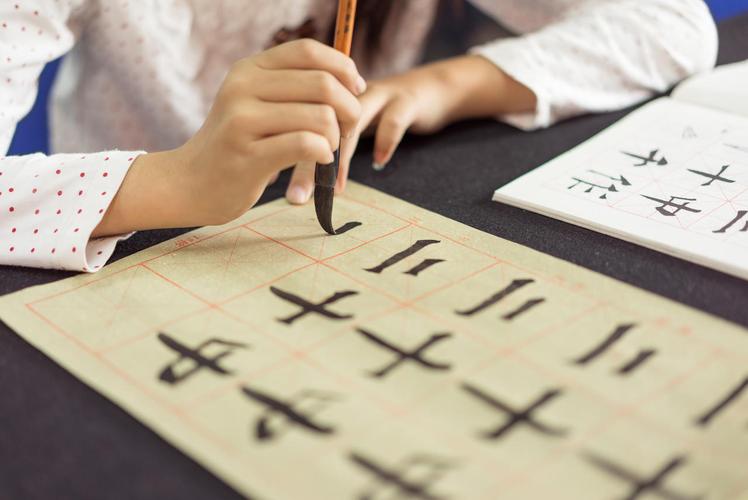
By 2026, the act of picking up a brush or a fountain pen has become a radical act of self-care. In our world of haptic feedback and frictionless glass screens, we have lost the "tactile resistance" that once grounded us. Engaging in Chinese calligraphy benefits the modern mind by reintroducing the physical world. When the tip of a brush meets the porous surface of paper, there is a friction that demands total presence. You cannot "undo" a stroke in traditional calligraphy; there is no Cmd+Z. This inherent permanence forces a state of hyper-focus. This is the psychological value of "shūfǎ" (书法) as a meditative practice—it is a tactile rebellion against the ephemeral nature of digital life. In the quiet scratch of a pen, the learner finds a rhythmic breathing space, transforming the study of Handwriting vs. Typing into a sanctuary of stillness where the hand and the mind finally move at the same human pace.
The Neural Blueprint — Why the Brain Prefers the Pen
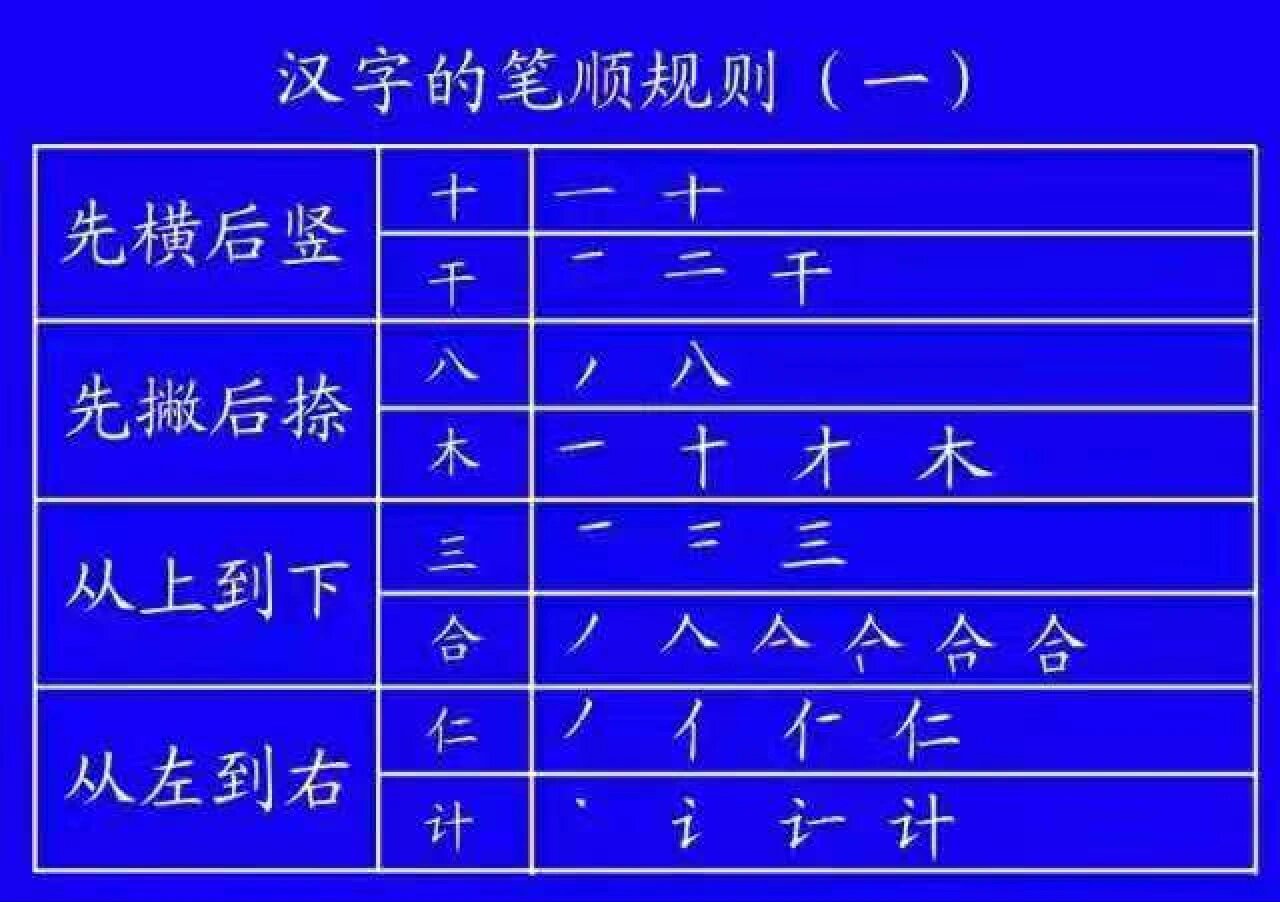
Beyond the emotional calm, there is a profound cognitive learning advantage to handwriting that AI simply cannot replicate. Neuroscience has long suggested that the complex, sequential movements required to write a Chinese character—following the precise stroke order (笔顺)—activate a unique neural circuit involving the motor cortex and the language centers of the brain. When you type, every letter is a single tap; when you write "永" (Forever), your brain must coordinate a symphony of eight distinct movements. This "muscle memory" acts as a physical anchor for memory. In the 2026 learning landscape, those who write characters by hand are found to have a significantly deeper retention of the language’s nuance. You are not just memorizing a shape; you are "carving" the linguistic logic into your nervous system. Handwriting creates a "neural blueprint" that allows for a level of fluency and instinctual understanding that passive, AI-assisted recognition can never achieve.
The Flow State — Handwriting as Cognitive Therapy
In an era of fragmented attention, mastering a character offers a rare entry point into the "Flow State"—that peak of human performance where time seems to disappear. The intricate nature of Chinese calligraphy requires a perfect alignment of posture, breath, and intent. As you navigate the curves and sharp turns of a complex character, the brain enters a state of high-coherence, similar to deep meditation or playing a musical instrument. This is the ultimate "healing power" of the brush. While AI handles the cold efficiency of data transfer, the human learner uses the pen to cultivate internal order. This process of "slow learning" acts as a cognitive therapy, repairing the attention spans eroded by short-form digital content. By the time the ink dries, the learner hasn't just produced a word—they have regulated their nervous system and refined their soul, proving that in 2026, the oldest way of learning is still the most advanced way to grow.
De-coding the Cultural DNA: The Logic Gates of Radicals
The Logic Gates of Civilization — Understanding Radicals in Chinese
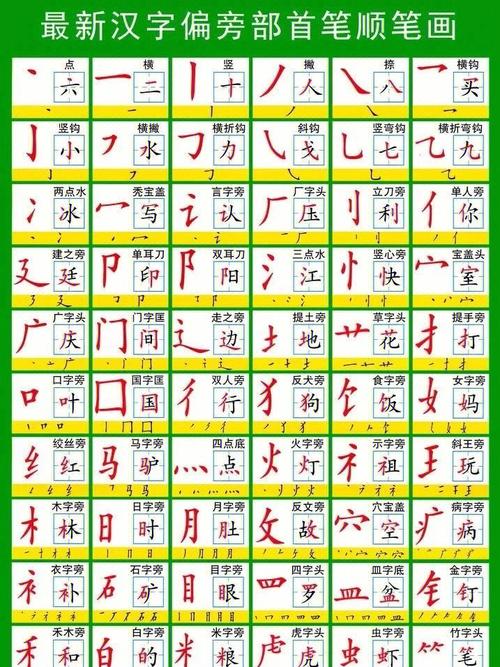
If we view the Chinese language as an ancient operating system, then Radicals in Chinese (部首) are its original logic gates. Unlike the phonetic alphabet, which records sound, Hanzi radicals record the "classification of reality". Every time you see the "Wood" radical (木), whether in the word for "bridge" (桥) or "ladder" (梯), you are seeing a 4,000-year-old catalog of human engineering. In 2026, while AI treats these as mere visual components for OCR (Optical Character Recognition), the human learner recognizes them as a systematic "Cultural DNA." Mastering these radicals is the ultimate hack for learning Chinese characters, as it allows you to predict the meaning of thousands of words you've never seen. It is a biological form of data compression, where a single stroke—like the "Fire" radical (火/灬)—can instantly signal a world of heat, cooking, or transformation, connecting the modern user to the survival instincts of their ancestors.
The "Human" Layer — Why Law Contains Water in Chinese Character Etymology
The true limitation of AI translation in 2026 is its lack of historical empathy. An algorithm can translate the word "Law" (法 - Fǎ) instantly, but it cannot appreciate the profound Chinese character etymology hidden within its strokes. The character 法 consists of the "Water" radical (氵) and the word "to go" (去). In ancient logic, the law was meant to be as "level and fair as water," washing away corruption. This "Human Layer" of the language reveals a 4,000-year-old philosophical debate preserved in ink. When you study the evolution of Hanzi, you aren't just memorizing symbols; you are decoding the values of the people who built them. AI provides the "what," but the etymology provides the "why." This depth of understanding creates a resilient form of literacy that empowers the speaker to communicate with a level of cultural gravity that no machine-generated text can ever simulate.
Deciphering the Worldview — The Evolution of Hanzi as a Living History
Deep-diving into the Evolution of Hanzi is the ultimate intellectual antidote to the "surface-level" culture of the AI era. Every character is a time capsule. By understanding why the "Heart" radical (忄) appears in the word for "Habit" (习慣), we learn that for the ancient Chinese, a habit wasn't just a routine—it was something that had to penetrate the soul. This level of Chinese character etymology turns the language learner into a cultural archaeologist. In 2026, as AI continues to homogenize global communication, the ability to deconstruct these "logic gates" becomes a rare and valuable skill. It offers a unique form of "cultural intelligence" (CQ) that allows for a more authentic connection with the Chinese-speaking world. By mastering the radicals, you aren't just learning a script; you are gaining access to the original source code of an entire civilization, ensuring that your fluency is built on a foundation of human wisdom, not just algorithmic output.
The "Elite" Filter: Why Fluency is the New Luxury
The New Social Credit — Beyond Basic Communication
In the hyper-automated landscape of 2026, basic communication has become a commodity—free, instant, and ubiquitous. However, this has created a new "Elite Filter" in global networking. While anyone can use an AI to order a coffee in Beijing, the ability to demonstrate Advanced Chinese fluency by hand-writing a thoughtful note or discussing the nuances of a classical idiom has become a form of high-value Cultural Capital. In business and high-level social circles, being able to engage without a digital crutch signals a level of discipline, respect, and intellectual depth that an algorithm cannot faking. A hand-written character is no longer just text; it is a "proof of work" that builds immediate trust and social credit. It tells your peers: "I didn't just outsource this interaction to a machine; I invested my time to understand your world."
The Empathy Gap — Programmed Politeness vs. Authentic Connection
The fundamental flaw of AI translation is its "emotional ceiling." A machine can generate a grammatically perfect sentence, but it lacks the soul of Authentic human connection. Machine translation offers a programmed, sterile kind of politeness that can often feel uncanny or distant. In contrast, a human who understands the "visual poetry" of Hanzi can tap into a much deeper emotional frequency. When you understand that the word for "Sincerity" (诚 - Chéng) combines "Speech" and "Completion," you speak with a different kind of intentionality. This deep-seated Advanced Chinese fluency allows you to navigate the subtle "vibe" of a conversation, picking up on cultural cues that a sensor-based AI might miss. True connection isn't just about exchanging data; it's about the shared resonance of two humans navigating a shared cultural history, a luxury that remains exclusively human.
Investing in Cultural Capital — The Ultimate Future-Proof Skill
As we look further into the decade, the value of "human-only" skills will continue to skyrocket. Mastering the depth of Chinese characters is the ultimate way to future-proof your personal brand. In a world saturated with AI-generated content, anything that carries the "human touch" becomes a luxury good. Developing Advanced Chinese fluency is an investment in a rare type of Cultural Capital that allows you to stand out in a crowded, automated market. It transforms you from a passive consumer of technology into a sophisticated bridge-builder between East and West. By mastering the brush and the spirit of the characters, you aren't just learning to speak; you are acquiring a timeless elegance and a unique perspective that ensures your voice remains heard, respected, and undeniably authentic in the age of code.
Conclusion: Mastering the Brush in the Age of Code

Beyond the Algorithm — The Future of Language Learning
As we navigate the mid-2020s, it is clear that the future of language learning is not about competing with the speed of an algorithm, but about cultivating what the algorithm lacks: soul, history, and aesthetic intention. In 2026, we do not study Hanzi to become human translation machines; we study them to remain anchored in a human-centric AI world. When you master a character, you are mastering a piece of human heritage that has survived wars, dynasties, and now, the digital revolution. Choosing to study Hanzi is an investment in your own "cognitive depth"—a rare ability to slow down and perceive the world through a lens of 4,000-year-old wisdom. In the grand tapestry of the AI era, the most valuable skills will be those that feel the most "human," and there is nothing more quintessentially human than the deliberate, beautiful, and deeply philosophical act of creating meaning through a stroke of ink.
Your Journey Begins with a Single Stroke — The Call to Action
The paradox of 2026 is simple: the more "perfect" our technology becomes, the more we crave the "perfectly imperfect" touch of the human hand. Now is the time to look past your screen and into the heart of the language. Pick up a pen, feel the resistance of the paper, and begin your own "Hanzi cultivation" (汉字修行). Whether you are a beginner or a veteran of Advanced Chinese fluency, remember that every character you write is a rebellion against the fleeting noise of the digital age. Don't just let the code speak for you; find your own voice within the strokes. Start today. Pick up the brush, and let the journey of a thousand years begin beneath your fingertips.
FAQ
If AI translation is 99% accurate in 2026, why spend years learning Hanzi?
Accuracy is not the same as intimacy. While AI handles the functional transfer of data, mastering Chinese characters is about cultural resonance and deep literacy. It's the difference between reading a summary of a symphony and actually playing the instrument. Learning Hanzi allows you to perceive the historical logic and aesthetic depth that an algorithm simply cannot feel, providing a competitive edge in cross-cultural communication.
Does handwriting really improve my memory more than typing on a neural-link device?
Yes. Neuroscience shows that the "haptic friction" of writing—the specific stroke order and pressure—engages the motor cortex and enhances brain plasticity in a way that digital input does not. This creates a "muscle memory of wisdom," leading to significantly higher retention and a deeper cognitive connection to the language's structural logic.
I'm a business professional; how does advanced Hanzi literacy provide "Cultural Capital"?
In a world of automated communication, the "human touch" is the ultimate luxury. Being able to write a handwritten note or recognize the etymology of a complex term signals discipline, respect, and high-level Cultural Intelligence (CQ). It builds a "Social Credit" of trust and interpersonal rapport that no AI-generated email can replicate in high-stakes negotiations.
Which is more important for a beginner in 2026: Radicals or Pinyin?
While Pinyin helps with immediate speech, Chinese Radicals (部首) are the "Logic Gates" of the language. In the AI age, understanding the thematic foundation of characters is a superior learning hack. It allows you to "decode" the meaning of thousands of characters through pattern recognition, providing a systemic understanding of the Chinese worldview and conceptual framework.
Can I practice "Digital Mindfulness" if I only have 10 minutes a day?
Absolutely. Hanzi cultivation is a form of active meditation. Tracing just three characters with total focus acts as a cognitive anchor. By shifting your focus from the "efficiency-only" mindset of the attention economy to the deliberate geometry of a stroke, you reclaim your mental clarity and ground your nervous system in an era of digital distraction.