
2026 자궁 등불 축제: 개기월식 & 최고의 여행 가이드 (3월 3일)
목차
서문: 5일 카운트다운 — 고대 축제가 희귀한 천체 현상을 만날 때
2026 자궁 등불 축제 여행을 계획 중이신가요? 달력에 표시하세요: 2026년 3월 3일. 올해는 전통 중국 등불 축제가 드문 개기월식, 쓰촨성 자궁에서 백 년에 한 번 있는 광경을 만들어냅니다. 이 종합 가이드에서는 자궁 등불의 역사를 탐구하고, 붉은 달을 위한 사진 일정을 제공하며, 학습자를 위한 고급 중국어 읽기 연습을 제공합니다.
다음 화요일은 재회를 상징하는 전통 축제일 뿐만 아니라 장관인 개기월식의 도래를 의미합니다. 천문 예측에 따르면 개기식 단계는 거의 한 시간 지속되며, 식이 가장 큰 순간은 정확히 19:33—황혼이 밤으로 바뀌고 수많은 등불이 처음 켜지는 골든 아워입니다. 바로 이 순간, 깊고 신비로운 '붉은 달'이 하늘에 매달려 있을 것이며, 아래에는 제32회 자궁 국제 공룡 등불 박람회, '세계 제1의 등불 축제'로 불리며, '등불로 중국을 그리다, 미래를 위한 꿈을 짓다'라는 주제 아래 가장 눈부신 광채를 발할 것입니다.
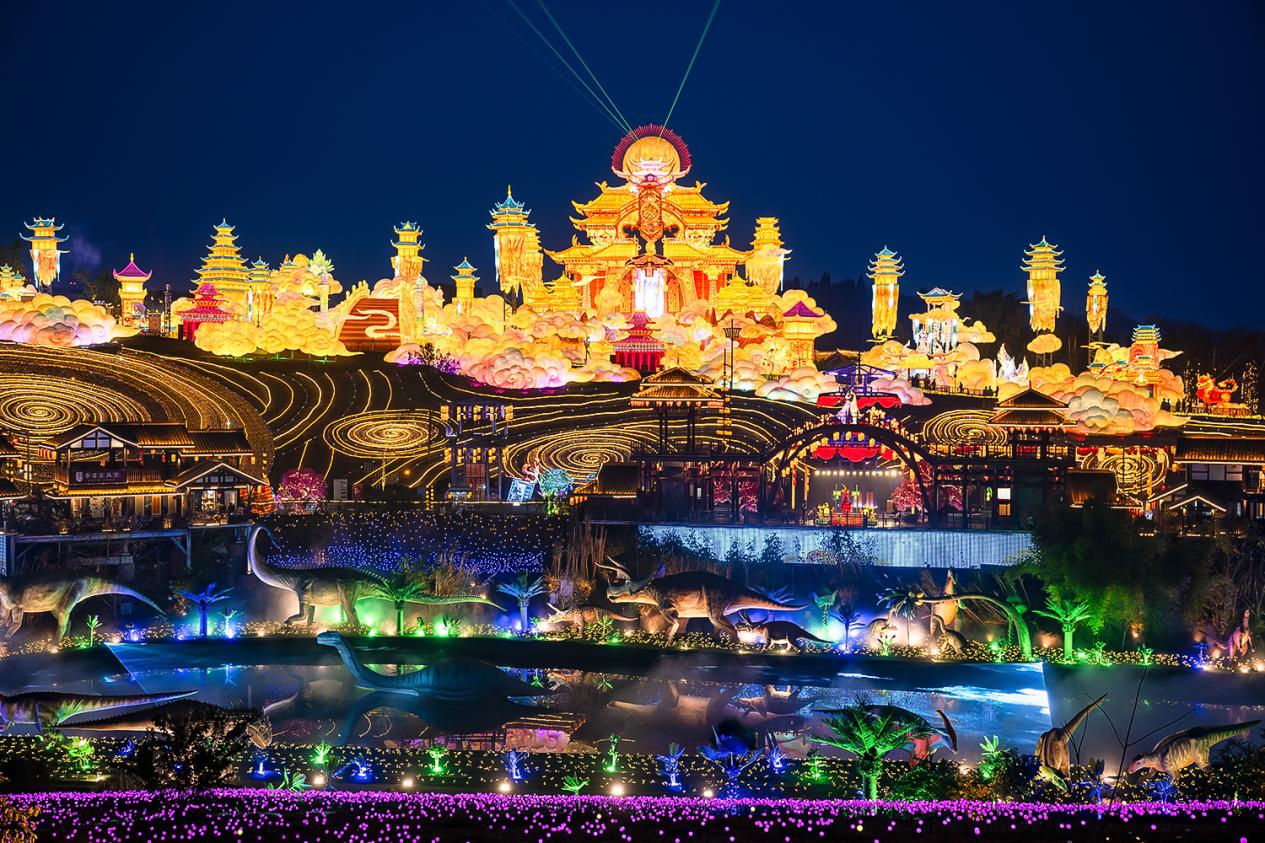
장면을 상상해보세요: 발아래에는 650무를 덮는 광활한 빛의 바다가 펼쳐져 있고, 2,000개 이상의 등불 그룹이 신화, 역사, 미래를 실감 나는 꿈의 풍경으로 엮어냅니다; 위에는 신비롭고 부드러운 진홍색 달이 하늘에 떠 있습니다. 수천 개의 지상 등불이 하늘의 붉은 달과 얽히면서, 고대 소금 도시 자궁은 하늘과 땅, 과거와 현재를 연결하는 무대가 됩니다.
이것은 단순한 축제 카니발이 아닙니다; 그것은 8세기에 걸친 대화입니다. 당송 시대에 소금 노동자들이 우물 굴착기 옆에서 켠 기도의 반짝임부터 오늘날의 홀로그램 투영과 기계 역학을 혼합한 현대 예술까지, 자궁 등불 축제는 항상 중국인들의 빛과 희망에 대한 갈망을 담아왔습니다. 이 천년의 집념이 월식과 충돌할 때—수억 년에 걸친 천체 궤적에서 드문 수렴—'등불과 달이 함께 빛나는' 전설을 창조할 운명입니다.
이 궁극의 낭만적인 만남까지 단 5일 남았습니다.
이 미리보기에서 우리는 시간의 터널을 여행하며, '새해 조명'에서 '인류 무형 문화 유산'까지 자궁 등불 축제의 영광스러운 여정을 되짚어 볼 것입니다. 우리는 중국 채색 등불 세계의 심장부로 모험을 떠나, '신기한 중국'의 솟아오르는 붕새, '무란의 전설'의 부딪치는 강철과 말, 그리고 방문객을 오래 머물게 하는 몰입형 인터랙티브 경험을 분석할 것입니다. 또한, 3월 3일 밤에 최적의 전망 지점을 확보하고, '붉은 달이 위에 걸리고 등불의 바다가 아래 펼쳐지는' 숨막히는 순간을 포착하는 데 도움이 되는 독점 '달 보기 및 등불 감상' 가이드를 제공합니다.
준비되셨나요? 마음의 등을 미리 켜고 천년 소금 도시에서의 이 빛과 그림자의 여정을 시작합시다.
역사 돌아보기: 하나의 등불이 소금 도시의 800년을 비추다
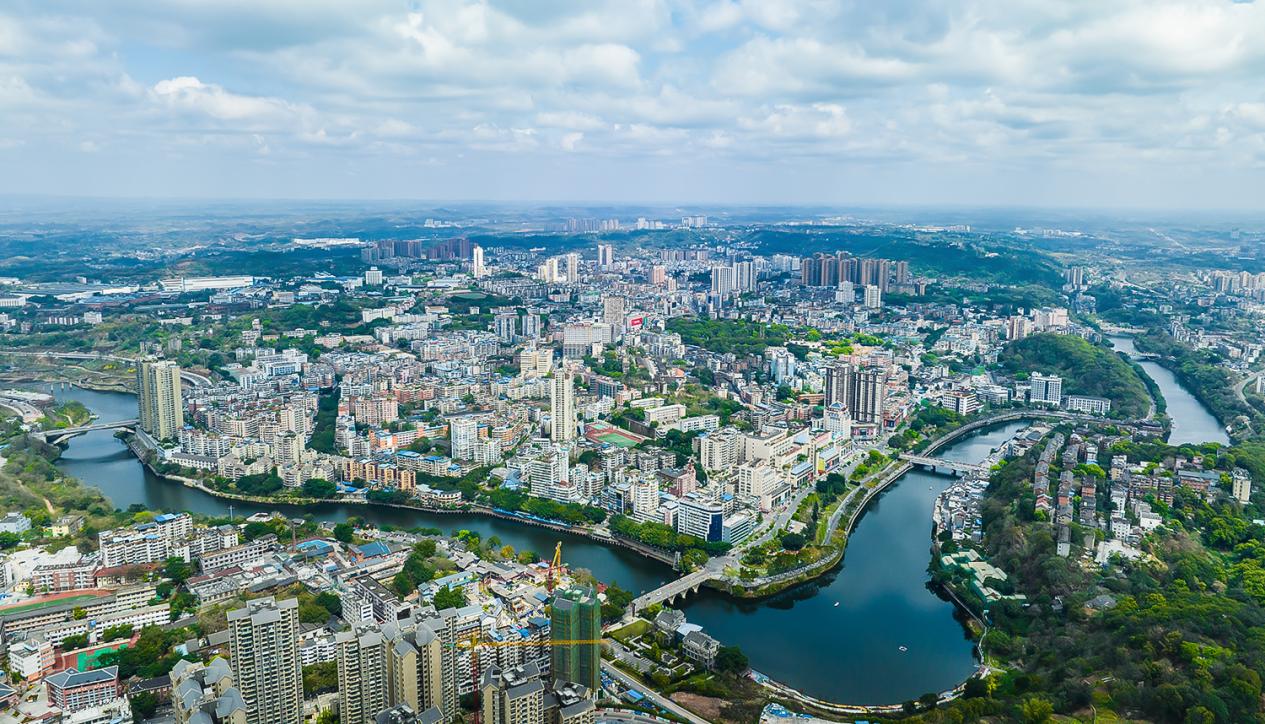
자궁은 소금 위에 세워진 도시로 '천년 소금 도시'로 알려져 있습니다. 여기서 등불의 역사는 소금 산업의 번영과 거의 동시에 흘러갑니다. 오늘 밤의 화려함을 진정으로 이해하려면 먼저 이 800년 빛의 전설을 되짚어야 합니다.
당송 시대의 기원: 굴착기 옆의 기도의 반짝임
이야기는 당송 시대에 시작됩니다. 그때까지 자궁 지역의 소금 채취가 형성되었고, 풍요로운 경제는 독특한 민속 관습을 키웠습니다. 역사 기록에 따르면 촉(사천) 사람들은 '새해를 위해 등을 켜는' 전통이 있었습니다. 매년 봄 축제와 등불 축제 때 소금 노동자와 상인들은 소금 우물 굴착기 옆과 조상 사당 앞에 자발적으로 등을 걸었습니다.
그 빛들은 아마도 웅장하지 않았을 것입니다—종종 종이로 덮인 간단한 대나무 조각에 내부 양초로 불을 붙인 것이었습니다. 그러나 시인 Lu You가 '촉 사람들이 놀고 돌아가는 것을 잊는다'고 묘사한 생생한 장면에서, 이 반짝이는 미광은 안전을 기원하고 수확을 축하하는 소금 노동자들의 가장 겸손한 표현이었습니다. 반짝이는 소금물에 반사되어, 그들은 자궁 등불 축제의 가장 초기 원형이 되었습니다—인간과 신, 인간과 자연 사이의 대화의 희미한 빛.
명청 시대의 성숙: '하늘을 속이는' 민속 카니발
시간이 명청 시대로 흐르면서, 소금 경제가 더욱 정점에 도달함에 따라 자궁의 등불 축제는 단순한 제사에서 웅장한 민속 카니발로 진화했습니다. 이 시대에는 '사자 등불 시장', '등불 장대 축제', 그리고 유명한 'Man Tian Guo Hai' (하늘을 속이고 바다를 건너다)'하늘을 속이는 것'은 여기서 군사 전략이 아니었습니다; 그것은 자궁의 거리와 골목에 세워진 색등과 비단의 연속적인 차양을 가리키며, 하늘을 완전히 가려 사람들이 마치 빛의 터널을 걷는 것처럼 느끼게 하여 낮과 밤을 구분할 수 없게 했습니다. 장인 정신은 점점 더 정교해졌습니다; 장인들은 대나무 엮기, 종이 자르기, 자수, 그림과 같은 전통 기술을 통합했습니다. 주제는 꽃과 새에서 신화, 전설, 소금 생산 장면으로 확장되었습니다. '모든 것이 등불이 될 수 있다'는 철학이 깊이 뿌리내렸습니다. 등불은 더 이상 정적인 장식이 아니라 흐르는 이야기였으며, 소금 도시의 흥망성쇠와 사람들의 기쁨과 슬픔을 이야기했습니다.
현대적 도약: 폐자재에서 '세계 제일'까지
진정한 전환점은 20세기에 일어났습니다. 1964년, 자궁은 첫 번째 '봄 맞이 등불 박람회'를 열었습니다. 물질이 부족한 시대에, 지혜로운 자궁 사람들은 폐자재—버려진 유리 약병, 누에고치, 도자기 식기—를 창의적으로 사용하여 등불 그룹을 만들었습니다. '폐품을 보물로 바꾸는' 이 지혜는 물질 부족을 해결했을 뿐만 아니라 예상치 못하게 현대 채색 등불 예술의 새로운 학파를 개척했습니다: 높은 투명성, 화려함, 독특한 형태. 이 혁신은 자궁 등불을 다른 것들과 구별짓는 독특한 미적 유전자를 놓았습니다.
1987년은 이정표가 되는 해였습니다. 첫 번째 '자궁 국제 공룡 등불 박람회 및 경제 무역 회의'가 성대하게 열리며, 자궁이 공식적으로 쓰촨을 벗어나 세계 무대에 나서는 것을 알렸습니다. 거대한 공룡 등불 그룹이 데뷔하여 지역 공룡 문화와 전통 등불 장인 정신을 완벽하게 융합하여 국내외 방문객을 놀라게 했습니다. 그 이후로 '자궁 등불 축제'는 울려 퍼지는 문화 IP가 되었습니다.
무형 유산 영광: 세계를 밝히는 중국의 카드
21세기에 접어들면서 자궁 등불 축제는 더욱 높은 영광의 순간에 도달했습니다. 2008년, 자궁 채색 등불의 전통 제작 기술이 국가 무형 문화 유산으로 지정되었습니다. 2024년, '중국 춘절' 유치의 핵심 구성 요소로서 자궁 등불 축제는 중국 춘절이 인류 무형 문화 유산 대표 목록에 오르도록 도왔습니다.
오늘날의 데이터가 그 지위를 증명합니다: 자궁 채색 등불은 국내 시장의 85%와 해외 등불 전시 시장의 놀라운 92%를 점유합니다. 파리 센 강변에서 뉴욕 타임스퀘어까지, 시드니 오페라 하우스에서 두바이 부르즈 칼리파까지—축제가 있는 곳 어디든 자궁 등불이 있습니다. '자궁을 본 후에는 다른 등을 볼 필요가 없다'는 더 이상 과장된 칭찬이 아니라 글로벌 합의입니다.
당송 시대 굴착기 옆의 희미한 촛불부터 명청 시대 거리의 '하늘 속이기', 오늘날 중국 채색 등불 세계의 소리, 빛, 전기의 기술적 경이까지, 자궁 등불 축제는 민속 관습에서 예술로, 지역에서 글로벌로의 특별한 길을 걸어왔습니다.
오늘 밤, 제32회 등불 박람회 현장에 서서 우리는 화려한 빛과 그림자뿐만 아니라 800년의 끊어지지 않은 문화적 맥, 세대를 거쳐 전해진 장인 정신, 그리고 중국 민족의 영원한 빛과 아름다움에 대한 추구를 봅니다.
그리고 이 천년 된 빛들은 2026년 3월 3일 밤, 가장 특별한 관객—지구의 그림자에 부드럽게 포옹될 그 '붉은 달'—을 맞이할 것입니다.
등불 박람회 심층 탐구: 6개 주요 구역과 10개의 슈퍼 등불 그룹
2026년 자궁 중국 채색 등불 세계에 들어서는 것은 정교하게 짜여진 동양의 판타지에 들어가는 것과 같습니다. '등불로 중국을 그리다, 미래를 위한 꿈을 짓다'라는 주제 아래 650무의 공원은 6개 테마 구역으로 나뉩니다. 다양한 크기의 200개 이상의 등불 그룹이 곳곳에 흩어져 있으며, 11개의 초대형 그룹이 그들의 거대한 규모와 참신한 창의성으로 이 빛과 그림자 향연의 중추를 형성합니다.
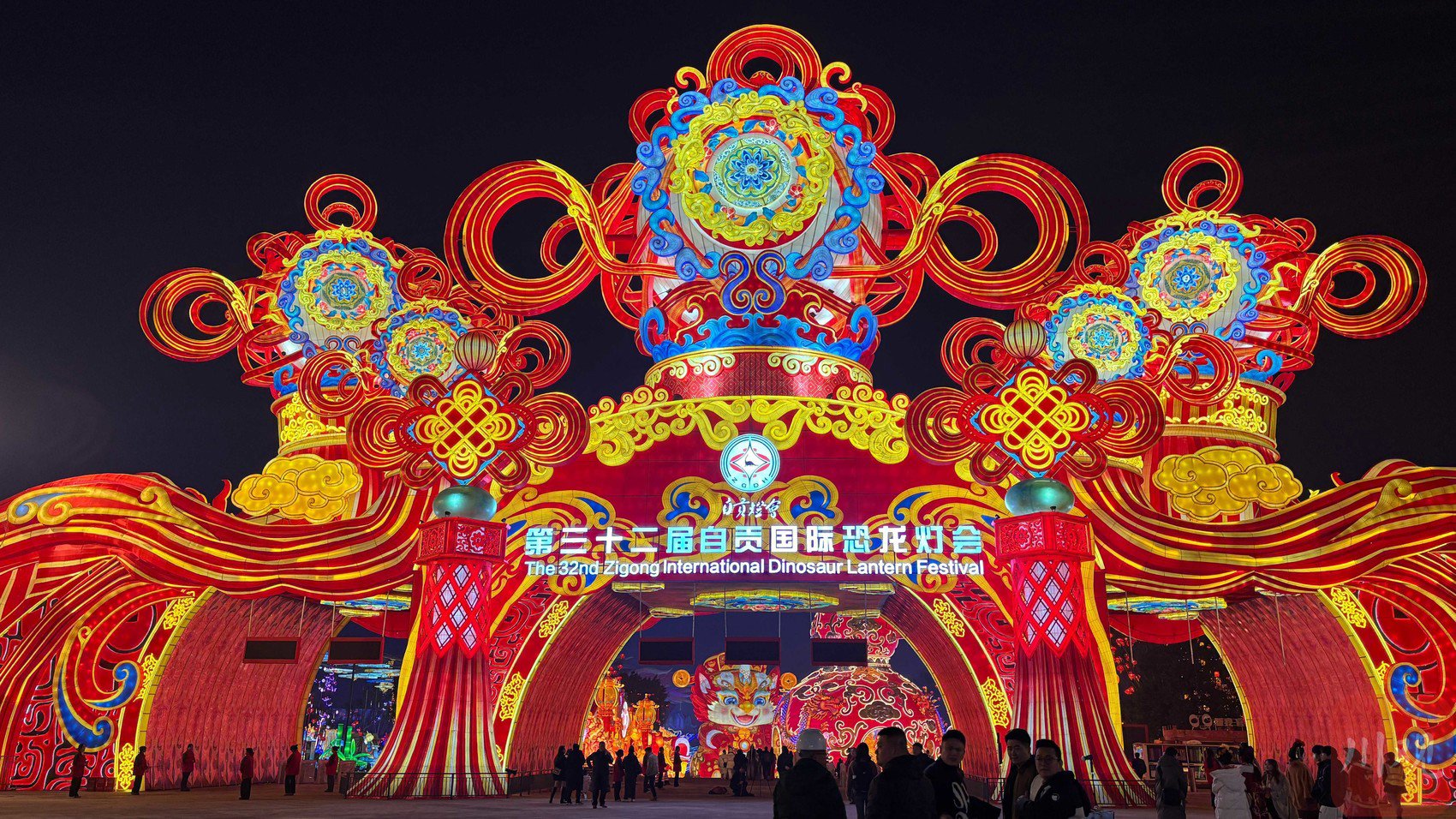
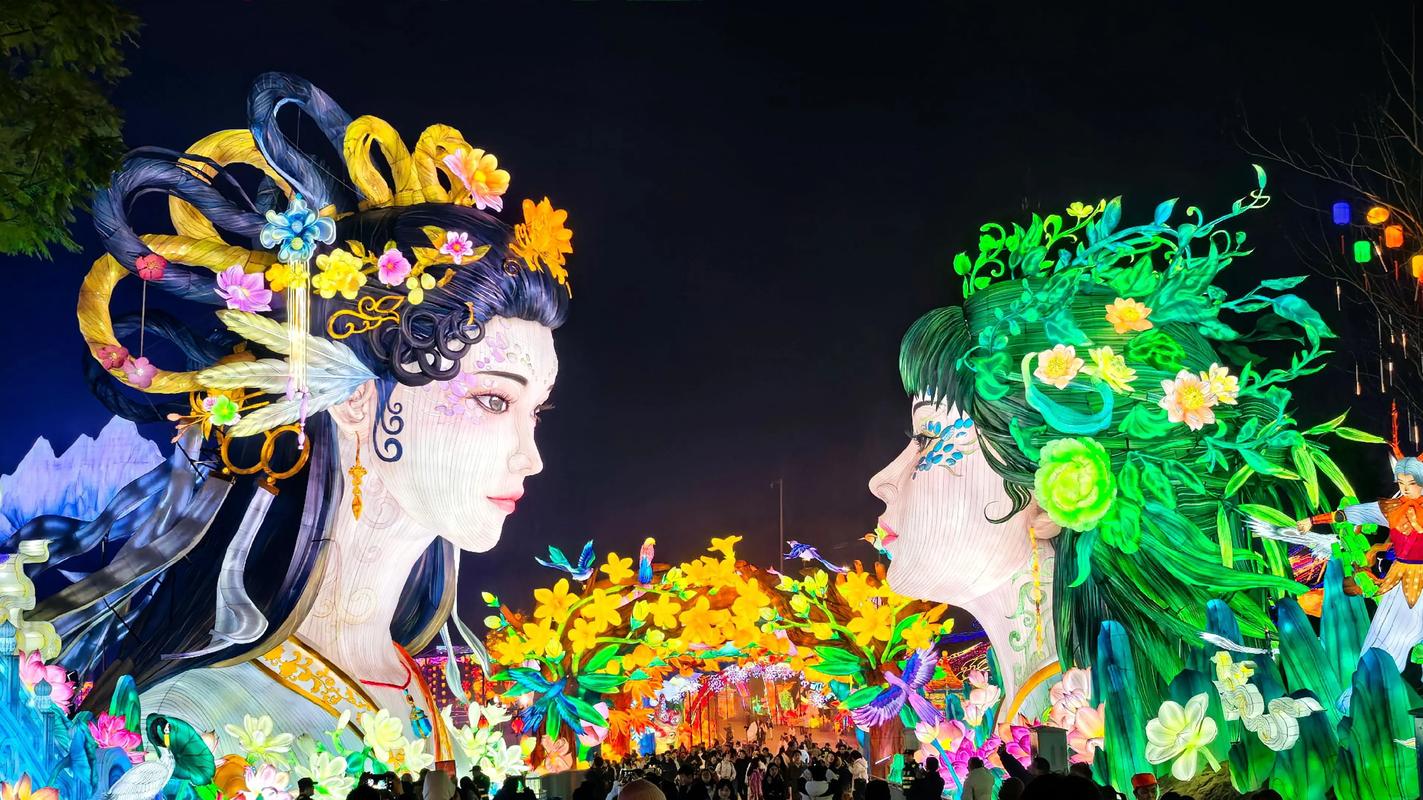
1. 첫인상: 중국 매듭의 길과 환영하는 장관
첫인상
2. 핵심 걸작: 신화와 역사의 시각적 경이
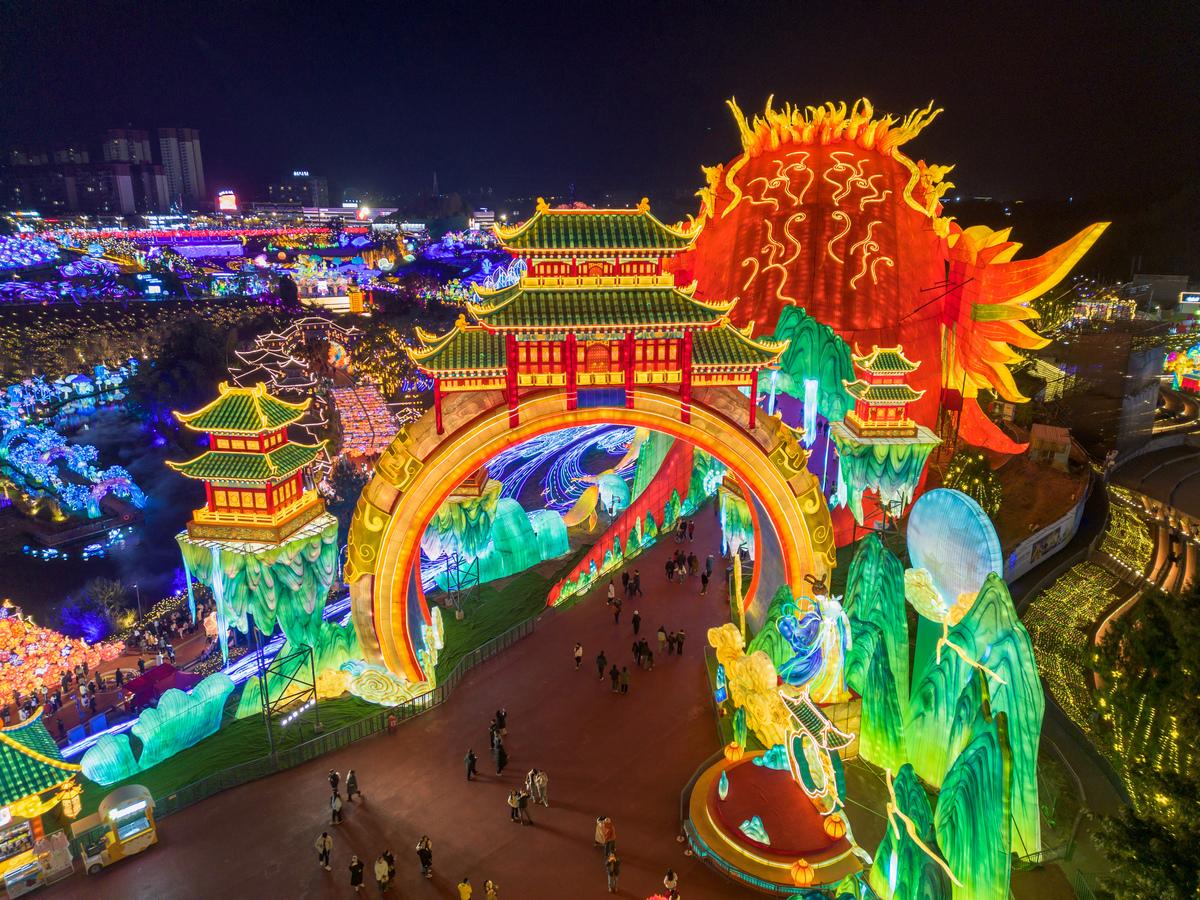
입구가 서곡이라면, 핵심 구역의 초대형 등불 그룹은 교향곡의 클라이맥스입니다.
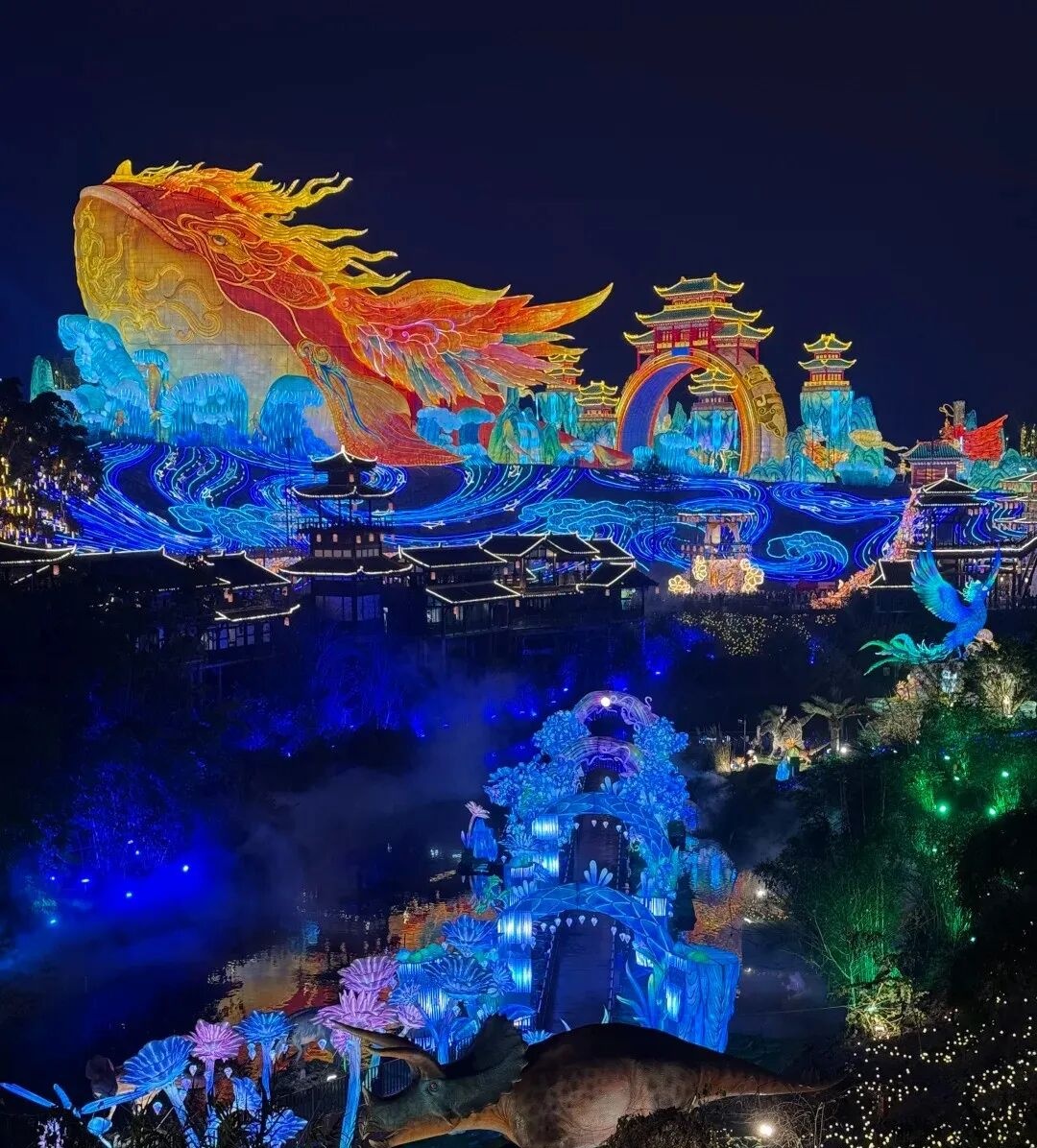
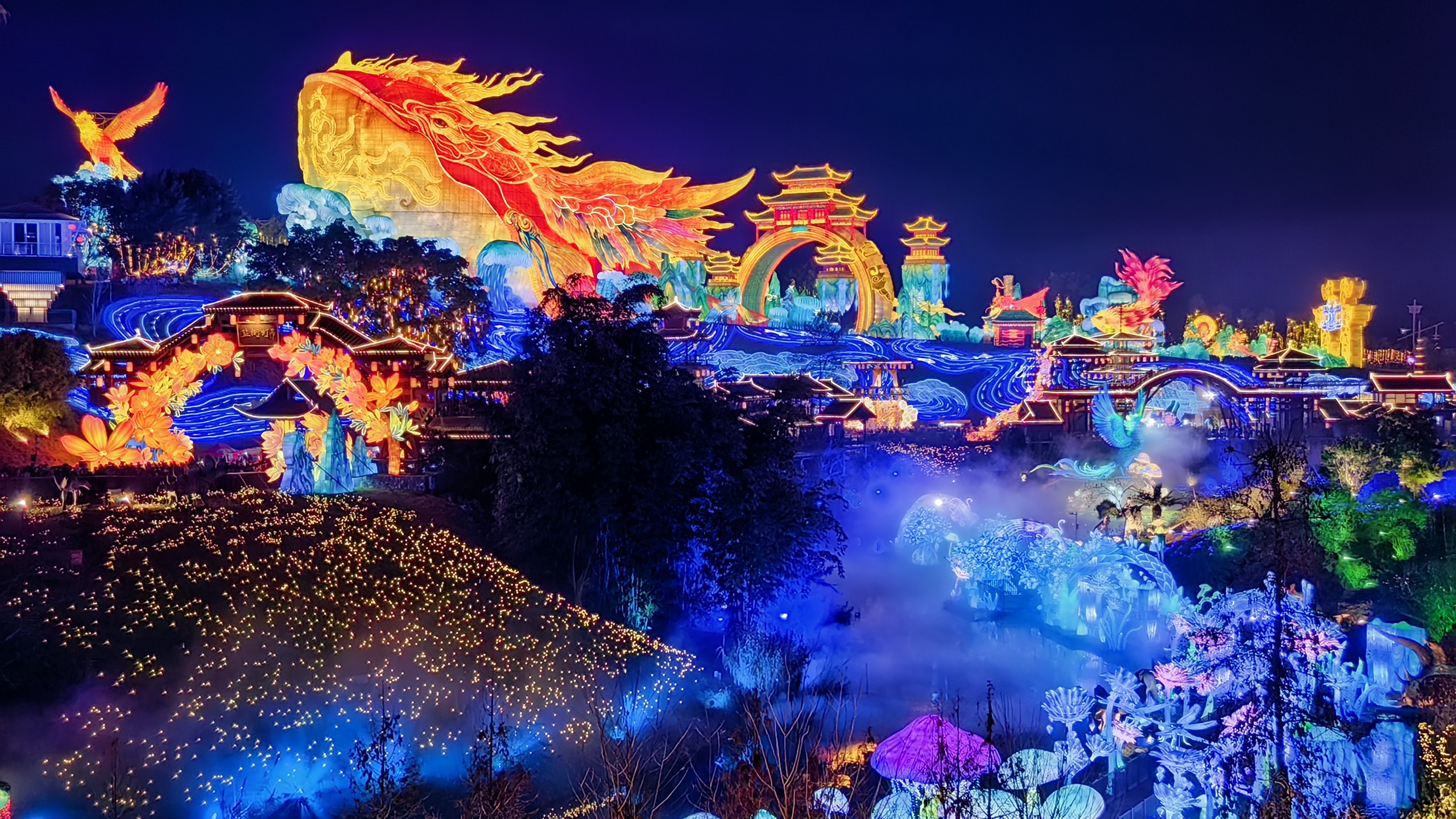
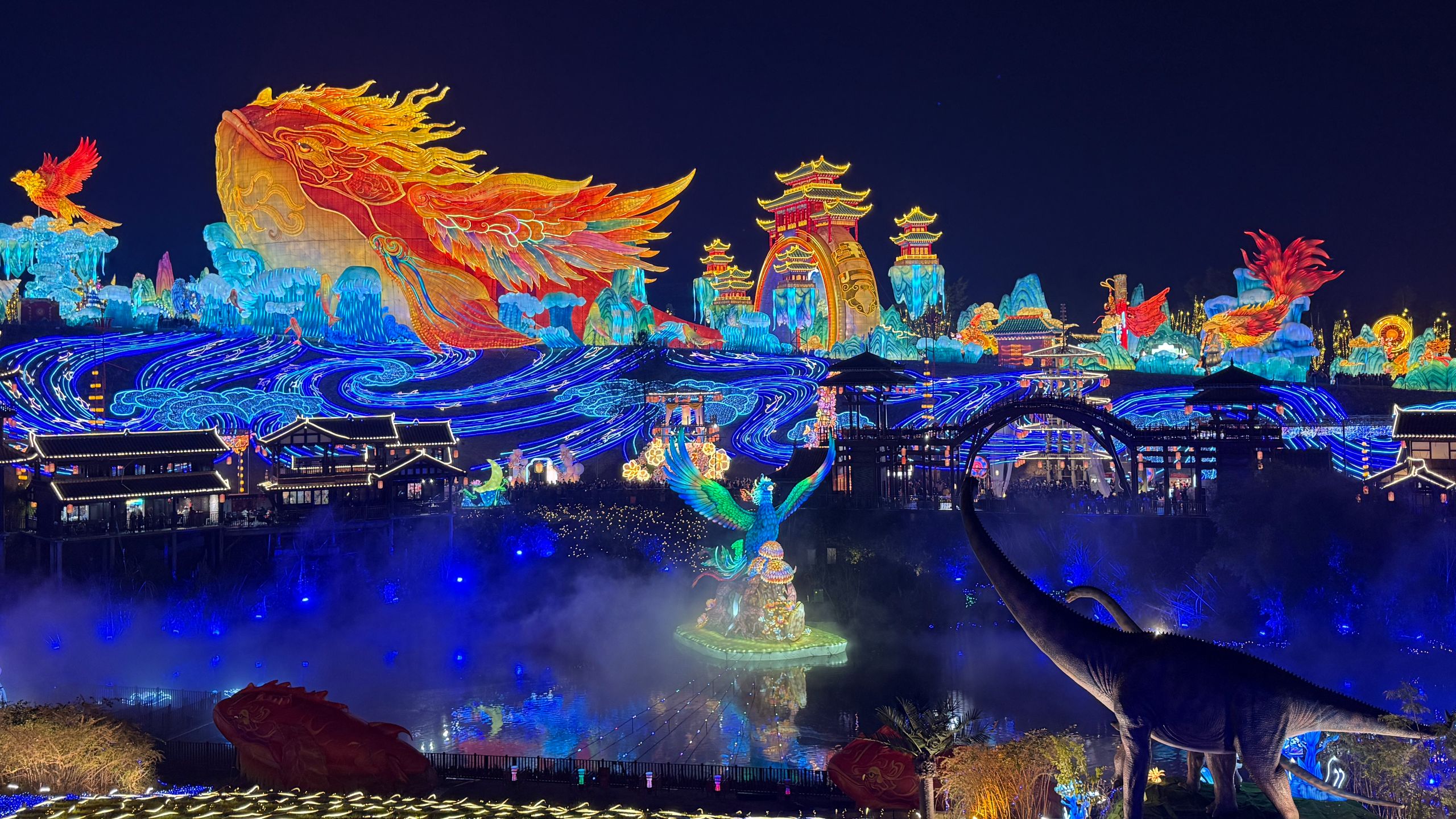
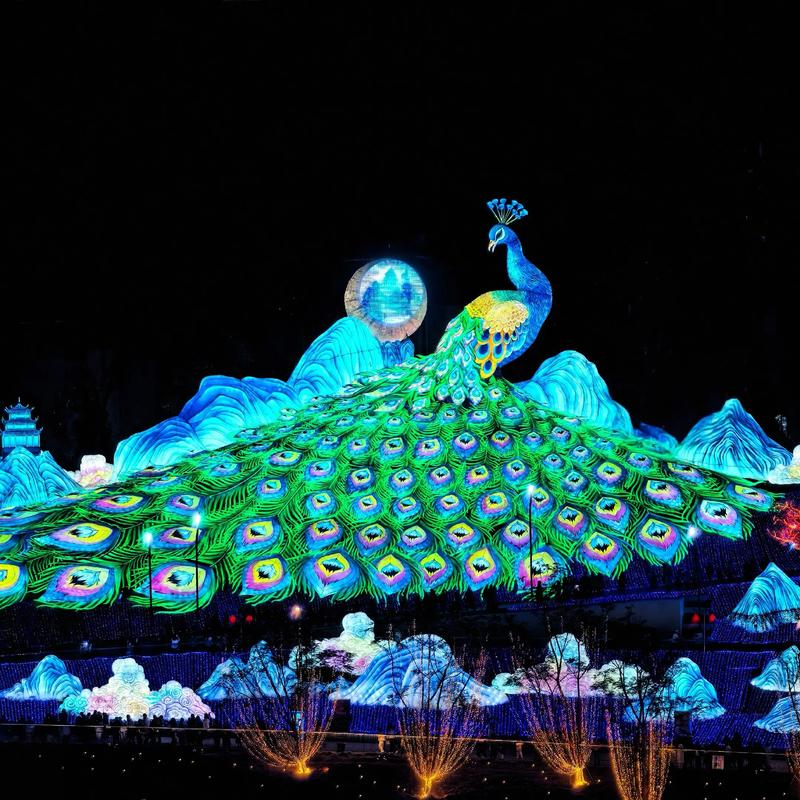
'Magical China' (Shénqí Huáxià):
- Magical China
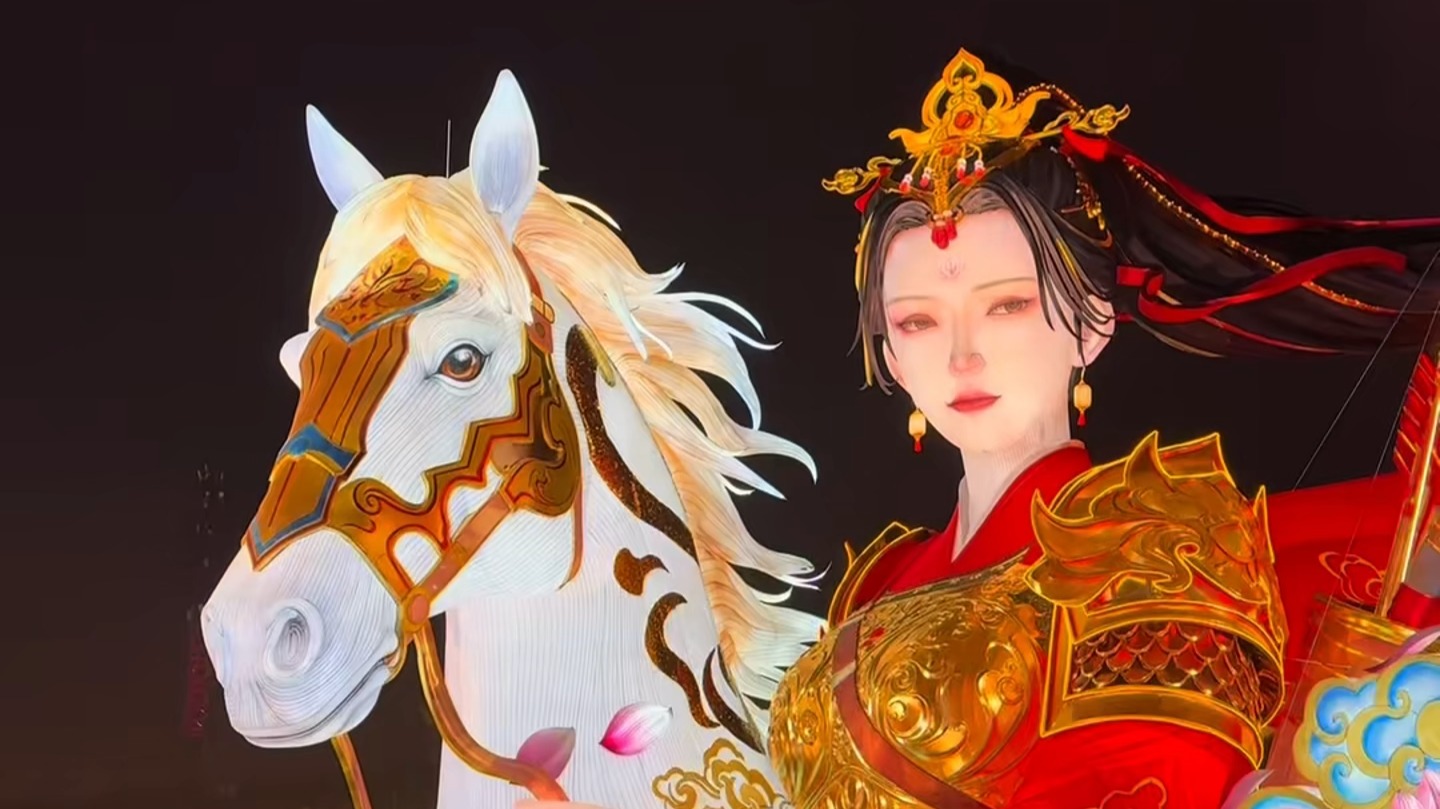
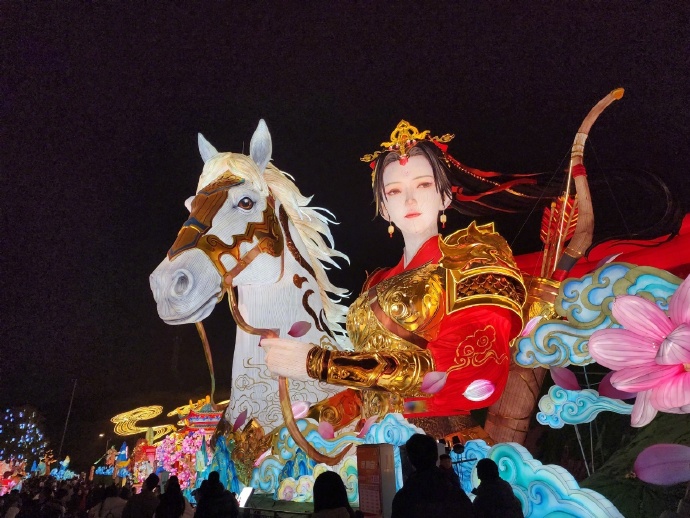
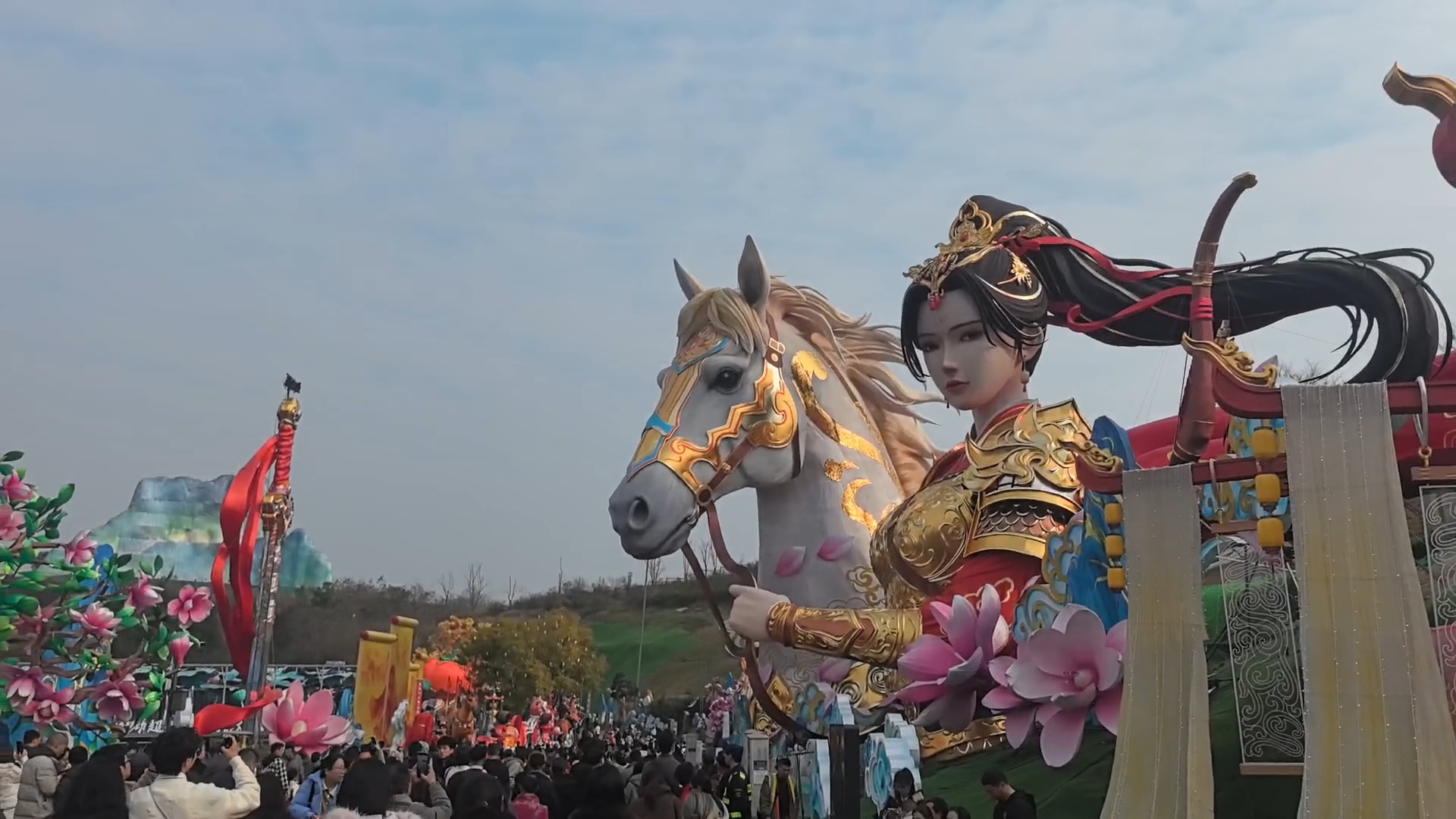
 'The Legend of Mulan' (Mùlán Chuánqí):
 - The Legend of Mulan
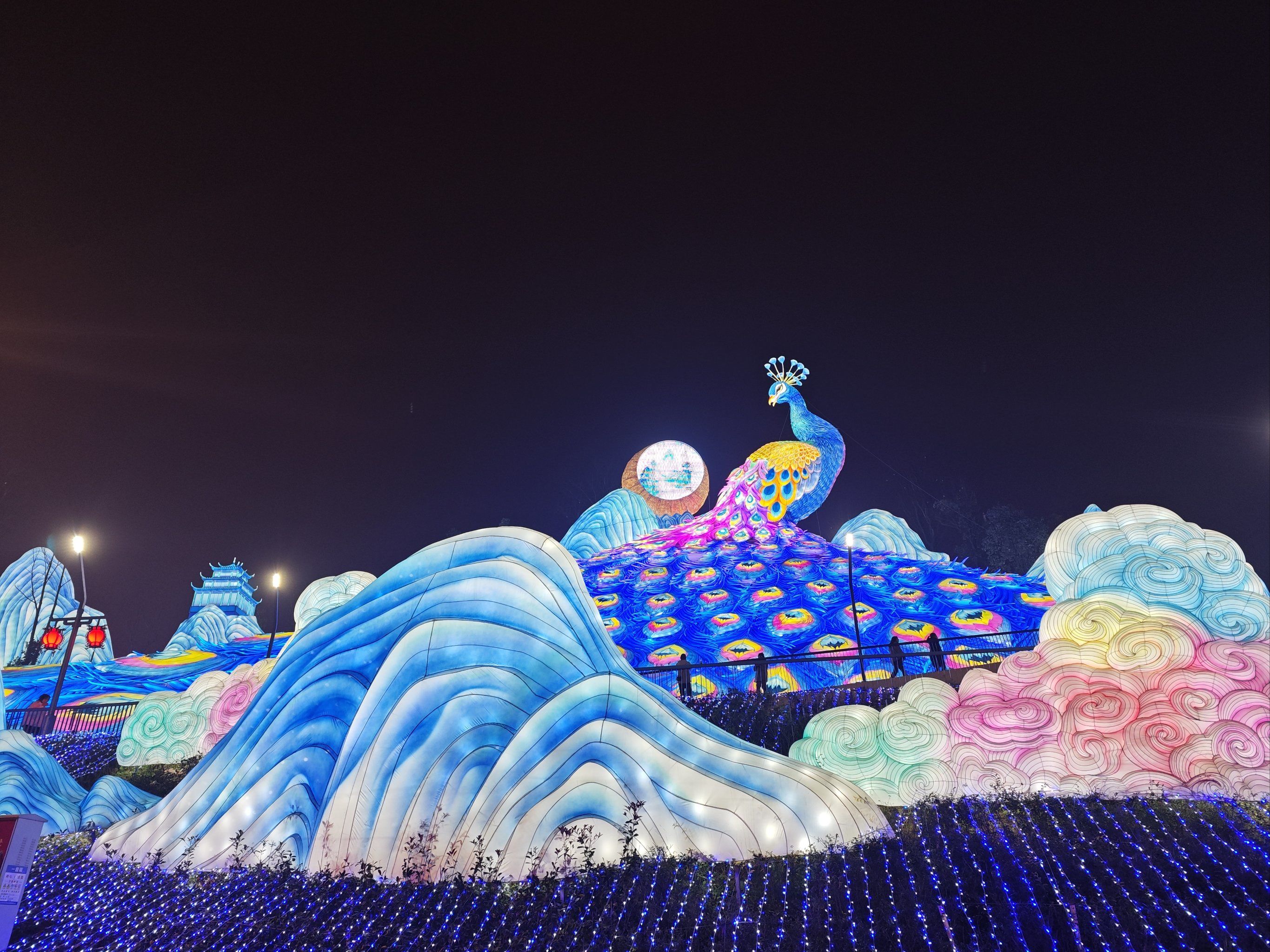
 'Jingwei Fills the Sea' & 'Kuafu Chases the Sun':
 - Jingwei Fills the Sea
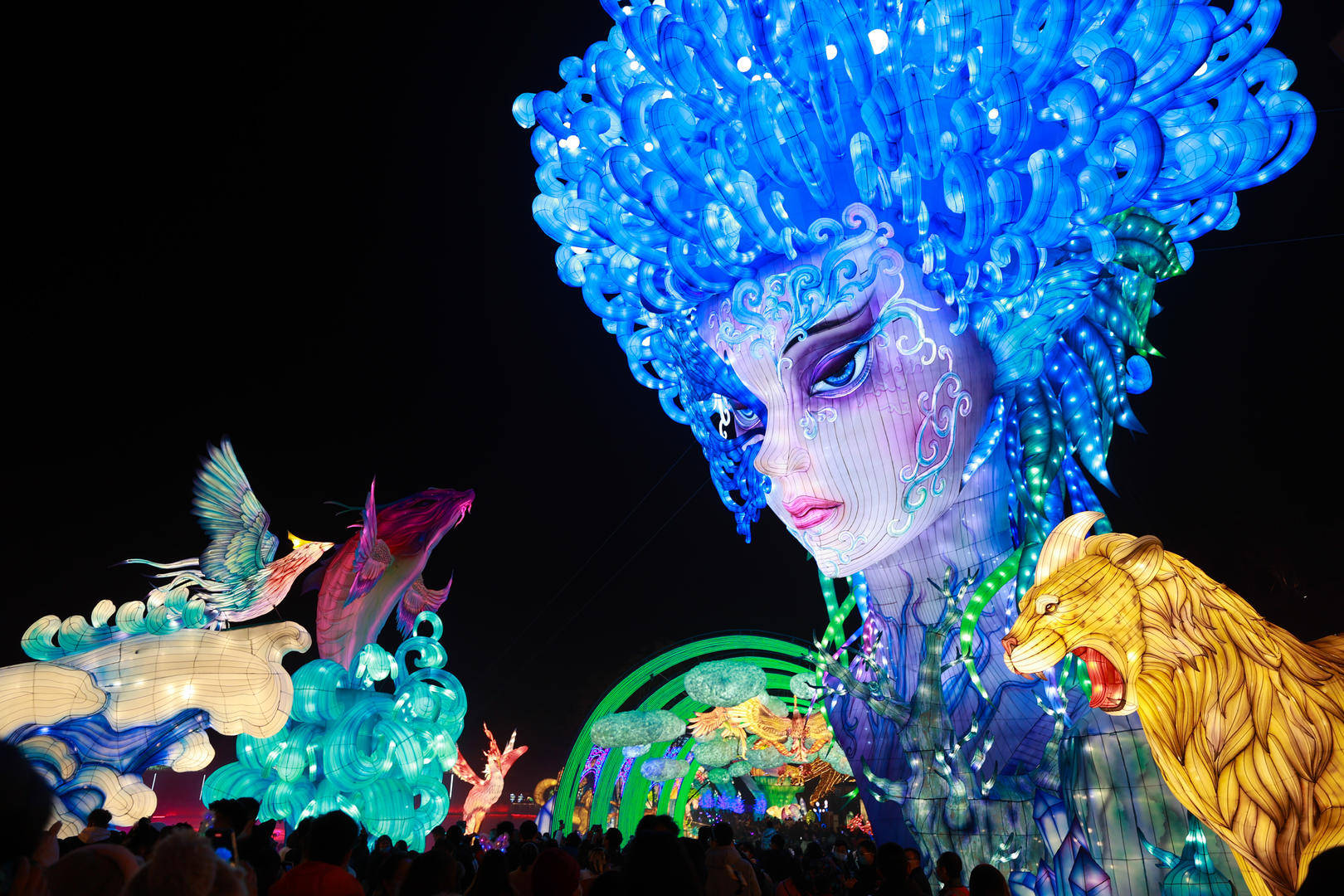
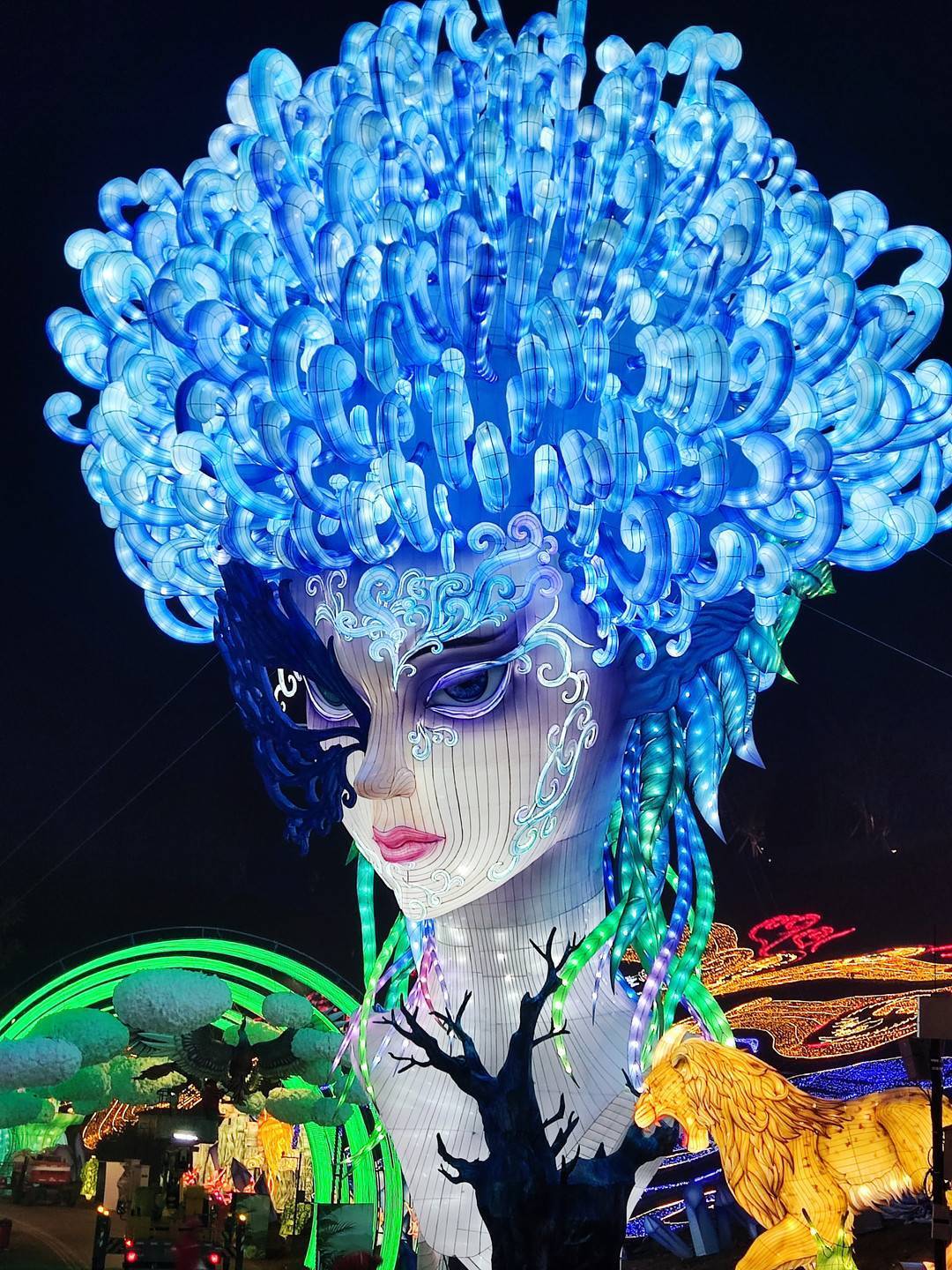
 3. Immersive Experiences: A Journey Through a Thousand Years
This year, the Zigong Lantern Festival emphasizes not just 'watching' but 'playing' and 'integrating.'
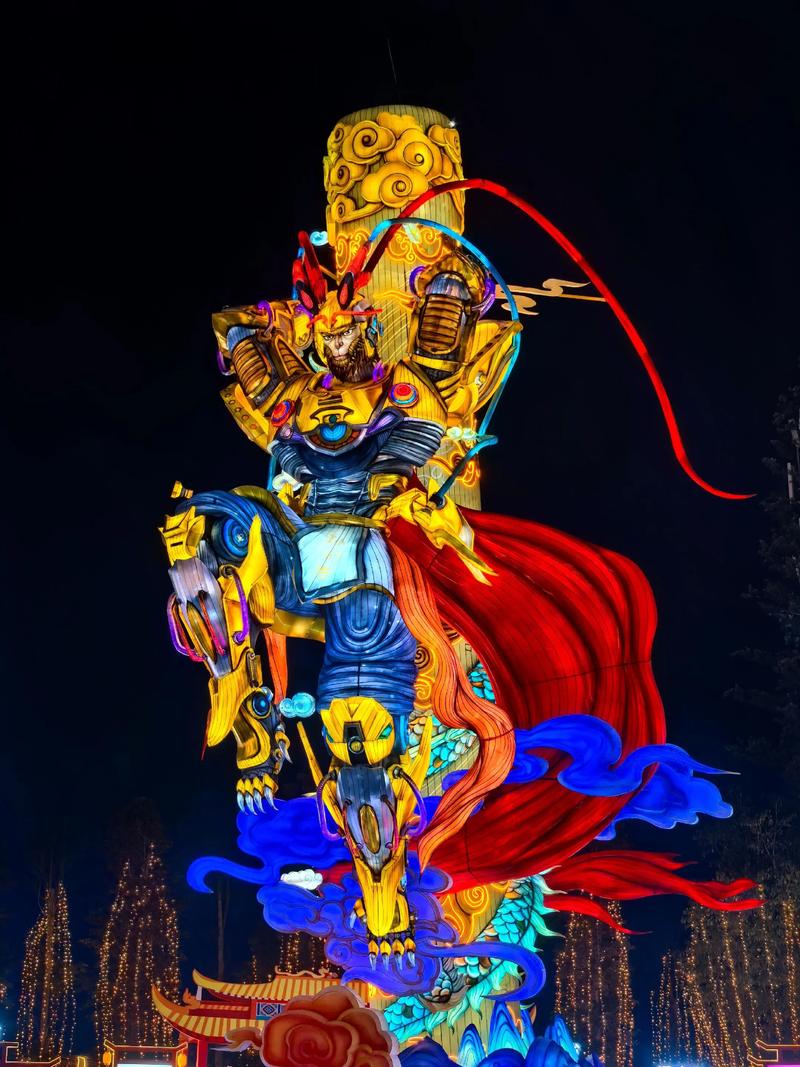
Monkey King
- The park has launched a large-scale live-action script game, 'Dreaming Among a Thousand Lanterns.' Upon entry, visitors receive an identity card (e.g., Salt Merchant, Scholar, Swordsman), don provided Hanfu, and seek out NPCs (played by professional actors as Li Bai, Du Fu, salt well craftsmen, etc.) based on clues among the lantern groups. By matching poems, solving puzzles, and completing tasks, visitors not only learn the cultural stories behind the lanterns but can also win limited-edition cultural creative prizes. This experience of 'people wandering in lanterns, drama playing out in lanterns' turns the static fair into a dynamic stage.'Painting a Thousand Lanterns' Virtual Interaction:
- Technology empowerment is another highlight. Scanning a QR code on specific lantern groups summons the virtual singer Luo Tianyi on screen, who sings the theme song 'Painting a Thousand Lanterns,' her voice perfectly synchronized with the rhythmic lighting. Furthermore, AR technology brings lanterns to life: scanning 'Magical China' reveals an animation of the Kunpeng breaking through clouds on your phone; scanning 'Mulan' shows characters moving to enact the plot. This blend of virtual and reality is deeply loved by young visitors.Intangible Heritage Display Zone:
- Amidst the bustling sea of lights lies a quiet corner—the Intangible Heritage Display Zone. Here, several master lantern makers demonstrate traditional processes like 'color-separated pasting,' 'iron wire binding,' and 'welding.' Visitors can watch a lantern come to life from scratch and even craft a small zodiac lantern under the masters' guidance. The sense of achievement when one's own handmade lantern lights up is beyond words.4. Food and Markets: Zigong on the Tip of the Tongue
One cannot neglect the taste buds while viewing lanterns. The specially set 'Salt City Food Street' is brightly lit and fragrant.
Others Lamp
- Crispy-skinned, tender, spicy, and fresh Cold-Eaten Rabbit; rich in bean aroma and melting in the mouth, Fushun Tofu Pudding; thin as a cicada's wing, translucent and ruddy, Fire-Roasted Border Beef; and various specialty Tangyuan (Glutinous Rice Balls) prepared for the Lantern Festival, ranging from traditional sesame filling to innovative spicy beef filling.Cultural Creative Market:
- Selling wildly imaginative lantern-themed souvenirs: lantern-shaped ice cream, miniature 'Kunpeng' desk lamps, scarves and bookmarks printed with lantern fair patterns. Every item is the best souvenir for taking 'Zigong's light' home.5. Special Planning: Exclusive Activities for the Lunar Eclipse
To welcome the March 3rd eclipse, the organizing committee has prepared special events:
Others Lamp
- Set up at the most open views like Fulu Square and the Lakeside Boardwalk, equipped with high-power astronomical telescopes and astronomical experts to explain the principles and observation points of the lunar eclipse.Lantern Riddle Contest:
- Combining traditional riddles with modern tech puzzles, riddle strips hang under specially crafted 'Moon Lanterns.' Correct answers offer a chance to win a 'Lunar Eclipse Commemorative' lantern model, highly collectible.Da Tie Hua (Molten Iron Fireworks):
- During the peak of the eclipse (approx. 19:33), the national intangible heritage 'Da Tie Hua' will be performed by the lake. Boiling iron water is struck into the sky, instantly blooming into ten thousand golden stars. Interacting with the 'Red Moon' above and the myriad lanterns below, it creates a magnificent scroll of 'Fire trees and silver flowers in a sleepless night, a red moon hanging high illuminating the human world.' This will be the most shocking moment of the night.From grand mythological narratives to delicate interactive experiences, from culinary delights to heritage at the fingertips, the 2026 Zigong Lantern Festival fills every sensory corner. Here, there is not just the art of light, but the warmth of life.
And once all this is ready, we await only the fall of night on March 3rd, when the arrival of that red moon will add the most divine brushstroke to this masterpiece.
Exclusive Guide: Unlocking the Dual Visual Feast of 'Lanterns + Moon'
The Lantern Festival night of March 3, 2026, is destined to be the most crowded yet brilliant evening at Zigong's Chinese Colored Lantern World. Facing the dual hotspots of the 'Lantern Fair + Lunar Eclipse,' how does one avoid crowds and secure the best viewing spot? This customized 'Eclipse Night' battle guide is a must-save.
1. Golden Timeline: Precision Positioning for the 'Red Moon'
The celestial phenomenon waits for no one; every minute must be planned precisely. Forecasts indicate the total phase (when the moon is fully in Earth's umbra, appearing red) will last about 58 minutes, with the
greatest eclipse (reddest moment) at 19:33.17:30 - 18:30 | Off-Peak Entry & The Blue Hour
- Action:
- Book tickets and reserve slots in advance; aim to arrive at the entrance by 17:30. At this time, the sky is not yet fully dark—the perfect moment to shoot the 'Blue Hour' (deep blue sky with lights just igniting), yielding clean and transparent images.Route:
- Head straight for the 'Avenue of Chinese Knots' and the periphery of 'Magical China.' Capture large-scale panoramic shots before the crowds fully gather.18:30 - 19:15 | Deep Tour & Culinary Refuel
- Action:
- Quickly tour core groups like 'The Legend of Mulan' and experience AR interactions. Then head to the 'Salt City Food Street' for some Cold-Eaten Rabbit or a bowl of steaming Tangyuan to build stamina for the long stand ahead.Note:
- Start moving towards the 'Moon Viewing Platform' now; do not linger too long at any single lantern group.19:15 - 19:30 | Seizing the C-Spot & Equipment Setup
- Action: Critical Moment!
- Arrive at your preset 'Best Photography Spot' (see below) by 19:15. Set up your tripod and adjust camera settings (Suggested: ISO 400-800, Aperture f/5.6-f/8, Shutter Speed dynamically adjusted based on moon brightness, typically starting at 1/125s).Tip:
- The moon is just entering the total phase and beginning to turn red; this is a great opportunity for test shots.19:30 - 20:30 | The Highlight: Lanterns and Moon Shining Together
- 19:33 (Greatest Eclipse):
- The moon reaches its reddest state. At this moment, the myriad earthly lanterns and the celestial 'Blood Moon' shine in mutual reflection.Special Event:
- Listen for park announcements; the Da Tie Hua performance is usually scheduled for this slot (approx. 19:30-19:45). Molten iron soaring against the red moon is a once-in-a-lifetime sight—do not miss it.Interaction:
- Participate in the 'Lantern Riddle Contest,' seeking puzzles hanging under 'Moon Lanterns' in the moonlight.After 20:30 | Off-Peak Departure or Night Tour
- Action:
- As the moon begins to exit the eclipse, crowds will peak. If you have captured your masterpiece, consider leaving via alternate exits or continuing to explore less popular zones to avoid main route congestion.2. Best Photography Spots: Where to Capture Masterpieces?
To compose the perfect shot of 'Sea of Lanterns Below, Red Moon Above,' location is key. Official and senior photographers recommend these three spots:
Spot A: Fulu Square (The Majestic Version)
- Perspective:
- Use the 210-meter 'Magical China' Kunpeng group as a backdrop, shooting upwards.Effect:
- The giant Kunpeng appears to swallow the red moon or carry it on its flight, offering immense visual impact and mythical color.Suitable:
- Wide-angle lenses for grand scenes, showcasing 'National Grandeur.'Spot B: Lakeside Boardwalk (The Aesthetic Reflection Version)
- Perspective:
- Stand by the lake, using the calm water as a foreground.Effect:
- Capture the 'Triple Moon'—the red moon in the sky, its reflection in the water, and moon elements designed within the lantern groups. If Da Tie Hua is performing, the sparks reflecting in the water create a dreamlike scene.Suitable:
- Telephoto lenses for compression, or medium focal lengths for artistic mood shots.Spot C: High Observation Deck near 'Mulan' (The Narrative Version)
- Perspective:
- From the high platform beside the group, using the warhorses or city tower of 'The Legend of Mulan' as a foreground.Effect:
- The red moon hangs above the antique-style tower or warhorse, evoking the historical vicissitudes of 'The Moon of Qin, the Pass of Han.'Suitable:
- Humanistic documentary style, telling a story.3. Traffic and Congestion Guide: How to Travel Smoothly?
Visitor numbers on Lantern Festival night are expected to break historical peaks; traffic control is inevitable.
Public Transport (First Choice):
- Zigong has opened multiple dedicated lantern fair bus lines from the High-Speed Rail Station and major city hubs directly to the Chinese Colored Lantern World. Prioritize buses to avoid parking nightmares. Taxis/Ride-shares must drop off at designated points (approx. 1-2 km from the park); vehicles are banned from the core area.Self-Driving Guide:
- Reserve Parking via the official mini-program. Five temporary lots (P1-P5) surround the park but will likely saturate before 17:00. If nearby lots are full, park at farther temporary lots (e.g., Sports Center) and transfer to free shuttle buses.Crowd Control:
- The park implements a one-way circulation route; strictly follow signs. Queues may form at core groups; use waiting time to photograph smaller surrounding groups.4. Thoughtful Tips
Warmth:
- Nights in early March in Zigong are still chilly. Wear down jackets, scarves, and gloves.Gear:
- Bring power banks (cold drains batteries fast), folding stools, and heat packs.Safety:
- Keep a close watch on elders, children, and valuables. When watching Da Tie Hua, stay behind the safety line.With this guide, you are no longer a blind tourist but a 'Light Hunter' in control. All is ready; we await only the rising of that red moon.
Cultural Deep Dive: Reunion and Hope in a Dialogue Between Past and Present
Others Lamp
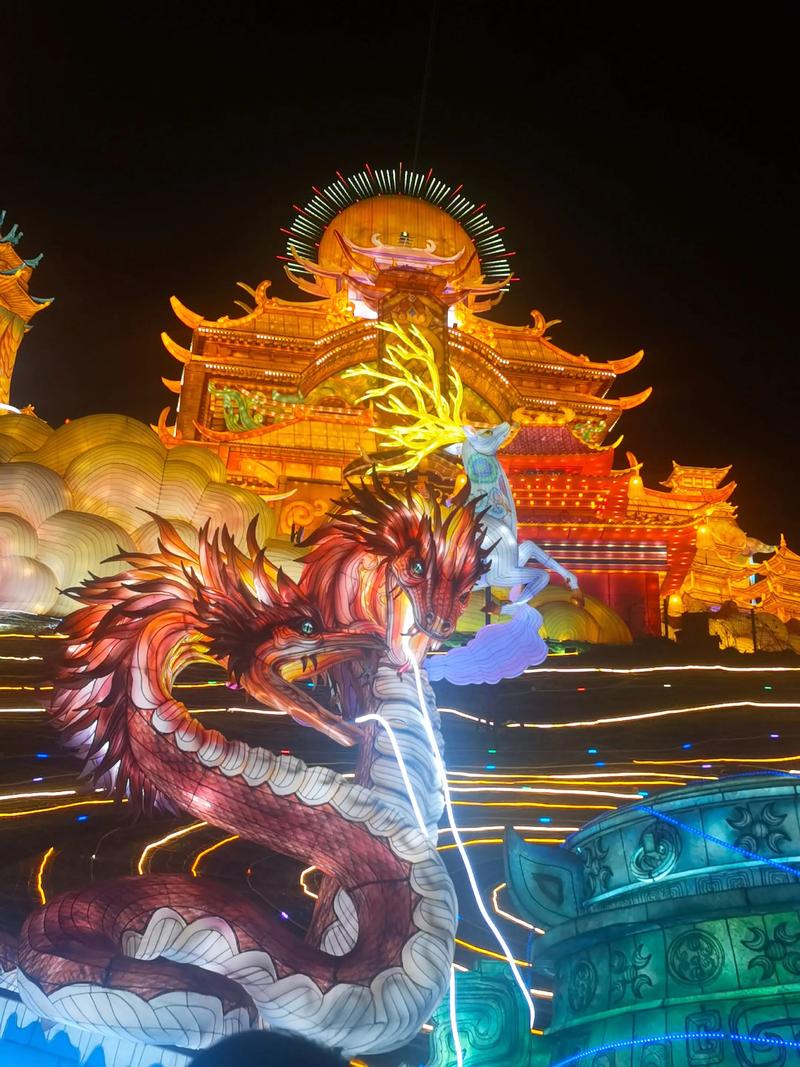
The 'Heavenly Dog' and 'Bright Lamps' in Ancient Eyes
In ancient times, before science illuminated the unknown, a total lunar eclipse was often seen as an omen of misfortune. The ancients called it 'The Heavenly Dog Eating the Moon,' believing the moon's consumption signaled an imbalance of Yin and Yang and impending disaster. Thus, during every eclipse, people would beat gongs, drum, and set off firecrackers, trying to scare away the 'Heavenly Dog' with loud noises to save the moon.
Similarly, Lantern Festival lights initially carried strong tones of sacrifice and exorcism. From the faint glimmers lit by Tang-Song salt workers beside derricks to the 'Deceiving the Heavens' lantern sheds of Ming-Qing streets, lanterns symbolized Yang energy, light, and vitality—weapons used to resist darkness and pray for peace.
In that era, the earthly lights and the celestial eclipse were a tense gamble between humanity and the unknown forces of nature. People lit lamps in fear, attempting to use the faint artificial light to combat the shadows of the firmament.
The 'Red Moon' and 'Splendid Lanterns' in Modern Eyes
Others Lamp
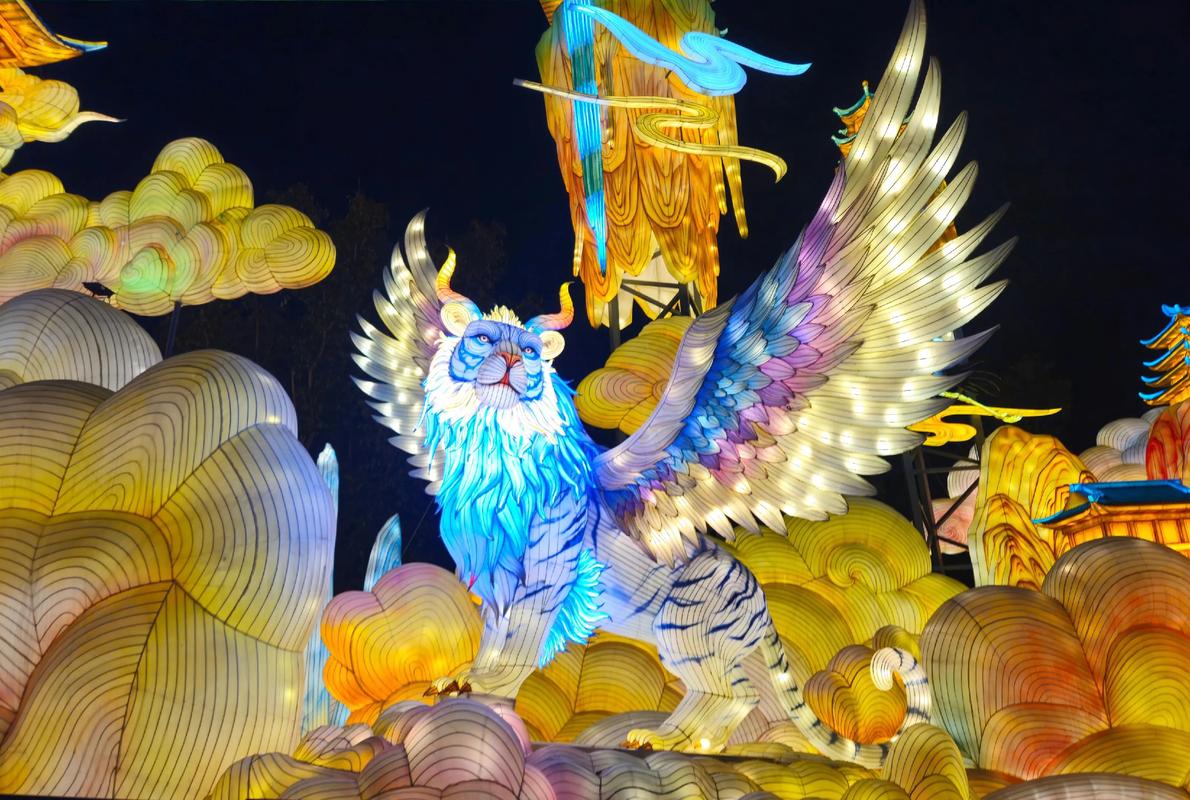
The nature of this 2026 encounter has changed. The lunar eclipse is no longer a harbinger of disaster but a rare astronomical spectacle; that deep 'Red Moon' is endowed with the beautiful meaning of 'Misfortune turns to bliss' and 'Rebirth from fire.' And Zigong's myriad splendid lanterns are no longer mere tools for illumination; they have become carriers of art, narrating stories of myth, history, and the future.
When earthly colored lanterns frame the red moon in the sky, this is no longer a gamble but a harmonious dance. Human creativity (lanterns) and the mighty force of nature (moon) achieve perfect reconciliation and resonance in this moment.
The Dual Metaphor of 'Completeness'
The core of the Lantern Festival is 'Roundness'—the round moon, round lanterns, and family reunion. This is the ultimate pursuit of completeness, harmony, and fulfillment deep within the Chinese soul.
However, on this Lantern Festival night of 2026, the moon is paradoxically 'incomplete'—obscured by Earth's shadow, becoming dim and even red. Yet, this constitutes a deeper cultural metaphor: True completeness is not about being forever flawless, but about shining again after undergoing trials.
The process of a lunar eclipse is the moon traversing Earth's shadow, symbolizing the difficulties and challenges one might encounter on the path of life or national development. After crossing the shadow, the moon still hangs high, presenting a magnificent red hue rarely seen—just like the portrait of the Chinese nation becoming increasingly resilient after enduring storms for thousands of years.
At this moment, the Zigong Lantern Festival, brilliant with light, signifies that no matter how long the night, the human yearning for light never extinguishes.
'Lanterns' are the hope of the human world; 'The Moon' is the cycle of the heavenly way. When the two meet on the night of the Lantern Festival, they tell us: even if temporarily in shadow, as long as one holds light in their heart, they will eventually welcome the most brilliant rebirth (the Red Moon).
The Contemporary Echo of Craftsmanship
Behind this feast of light and shadow stands a group of silently persisting people—the Zigong lantern artisans. Holding bamboo strips, iron wires, and silk in their hands, they continue techniques from the Tang and Song dynasties yet inject a modern soul.
From the first innovative lantern made of waste bottles by salt workers to today's craftsmen using 3D modeling, mechanical transmission, and holographic projection to create 'Magical China,' this spirit of 'upholding integrity while innovating' is the code for the endless vitality of Chinese culture. They make the ancient intangible heritage 'live' in the present, letting traditional lights illuminate the road to the future.
Tonight, as we look up at the red moon and overlook the sea of lanterns, we are not just admiring scenery; we are paying tribute to this millennium-spanning craftsmanship, and to that national spirit that, regardless of changing times, always pursues beauty.
Reflection Before the Conclusion
March 3, 2026, is destined to be a night to be remembered.
On this night, Zigong is no longer just a city; it has become a vast cultural vessel. It holds the ancients' awe of nature, moderns' reverence for science, wanderers' longing for hometown, and the simple wishes of all Chinese people for 'family reunion and a prosperous future.'
When the last wisp of iron flower falls, when the red moon slowly moves out of the shadow, and when the lights remain brilliant, we will understand: No matter how vast the universe, no matter how time flows, as long as the lights do not go out and hearts remain gathered, hope will always shine ahead.
Conclusion: Embarking on a Millennium Appointment That Cannot Be Missed
Others Lamp
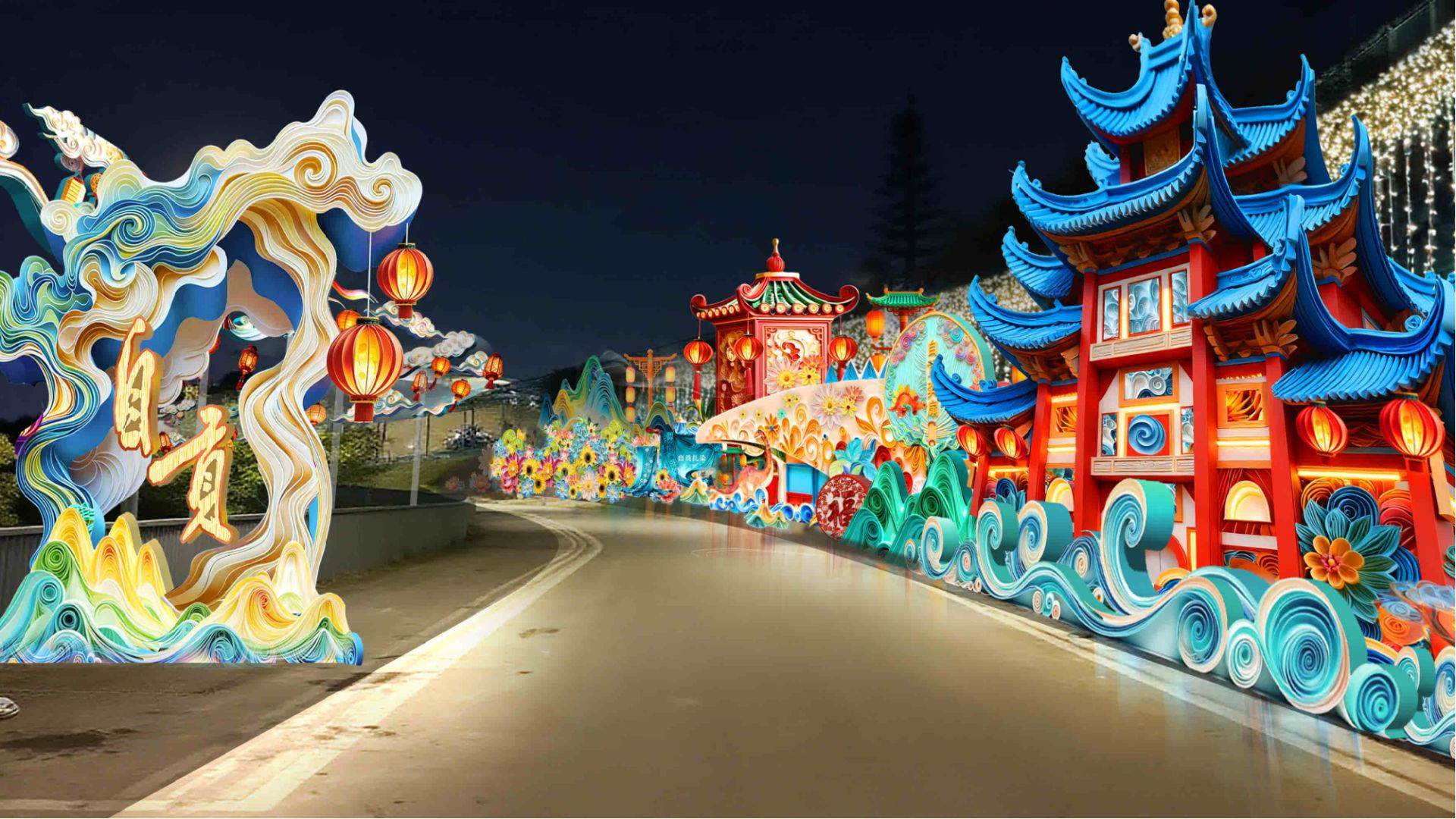
This is not merely a simple outing; it is a handshake with history, a dialogue with the universe, and a confirmation of the inner light. On this special Lantern Festival night, you will witness with your own eyes: the ancient 'Deceiving the Heavens' transforming into today's 'Magical China,' the former prayerful glimmers converging into today's brilliant sea of lanterns; and above, that moon, increasingly red after the baptism of shadows, silently watching over the endlessly thriving world of lights on this land.
'Painting China with Lanterns, Building Dreams for the Future.' These eight characters are not only the theme of this year's fair but the spiritual background color of the Chinese nation that has remained unchanged for thousands of years. We see the past in the lantern light; we look to the future under the moonlight.
Rare is the opportunity; once in a century.
The red halo of the lunar eclipse will not linger forever, nor will the reunion lights of the Lantern Festival be this warm except at this specific moment. If you crave an ultimate visual feast, if you wish to personally feel the shock of the 'World's Number One Lanterns,' if you want to make a wish for reunion and hope under the red moon—then, do not hesitate.
Bring your family, invite your friends, pack your bags, and rush to Zigong.
Go to the Chinese Colored Lantern World, dream an Oriental dream you won't want to wake from in that 650-mu ocean of light and shadow; go to Fulu Square or the Lakeside Boardwalk, and at the moment of greatest eclipse at 19:33, freeze-frame that breathtaking photo of 'Heaven and Earth Shining Together.'
Let us meet on March 3, 2026. In the night of lanterns in the Millennium Salt City, let us admire the red moon hanging high and celebrate the flourishing age of China together.
May the lights burn eternally, may the moon be round and people safe, and may every dream-chaser find their own beam of light tonight.
The Zigong Lantern Festival awaits your arrival.
Frequently Asked Questions (FAQ) about the 2026 Zigong Lantern Festival
1. When is the best time to visit the Zigong Lantern Festival in 2026 to see the Lunar Eclipse?
The absolute best time to visit is
March 3, 2026, during the Total Lunar Eclipse. The eclipse's 'greatest phase' (when the moon turns deepest red) occurs at 19:33 local time. We recommend arriving at the Chinese Colored Lantern World by 17:30 to secure a good viewing spot, enjoy the 'blue hour' photography, and witness the rare moment when the 'Red Moon' aligns with the giant lantern displays like 'Magical China.' The festival runs nightly from late January through April 2026, but March 3rd offers a once-in-a-century experience.2. How do I buy tickets for the Zigong Lantern Festival 2026, and do I need to book in advance?
Yes, advance booking is highly recommended, especially for the night of the Lunar Eclipse (March 3), which is expected to sell out quickly. Tickets can be purchased via the official WeChat mini-program ('Zigong Dinosaur Lantern World'), major travel platforms like Trip.com or Ctrip, or at the on-site ticket offices (subject to availability). For the eclipse night, look for special 'Eclipse Viewing Packages' that may include access to reserved viewing platforms. Prices typically range from 100 to 200 RMB depending on the date and package type.
3. What are the best photography settings for capturing the Red Moon with Zigong Lanterns?
To capture the 'Red Moon' alongside the bright lanterns, use a tripod and a camera with manual settings. Start with an
ISO of 400-800, an aperture of f/5.6 to f/8 for sharpness, and a shutter speed between 1/125s and 1/250s (adjust based on the moon's brightness during totality). Use a telephoto lens (200mm+) to compress the distance between the moon and the lantern groups like 'Mulan' or 'Kunpeng.' Avoid using flash, as it will wash out the ambient light of the lanterns. The 'Blue Hour' (just after sunset) is also ideal for balancing the sky and artificial lights.4. Is the Zigong Lantern Festival suitable for international travelers who don't speak Chinese?
Absolutely! The Zigong Lantern Festival is a visual spectacle that transcends language barriers. The massive lantern sculptures tell stories through imagery rather than text. Many key areas now feature QR codes with English translations and AR interactions (like the virtual singer Luo Tianyi) that are accessible globally. Additionally, the immersive script games often have simplified rules or visual clues. For a smoother experience, we suggest downloading a translation app (like Pleco or Google Translate) and joining a guided tour if available, though exploring independently is equally rewarding.
5. How do I get to the Zigong Lantern Festival from Chengdu or Chongqing?
Getting to Zigong is convenient from major Sichuan hubs.
High-Speed Train:
- Take a high-speed train from Chengdu East or Chongqing West to Zigong Station (approx. 1-1.5 hours). From the station, dedicated Lantern Festival Shuttle Buses run directly to the Chinese Colored Lantern World.Driving:
- If driving, follow signs to the 'Chinese Colored Lantern World.' Note that on peak nights (like March 3), private cars must park in designated lots (P1-P5) located 1-2 km away, and you must take a free shuttle bus to the entrance.Flight:
- The nearest airport is Yibin Wuliangye Airport (about 45 mins drive) or Chengdu Tianfu International Airport (about 1.5 hours drive).Contact & Stay Updated