
ホンバオ:意味、歴史、中国の赤い封筒のエチケット
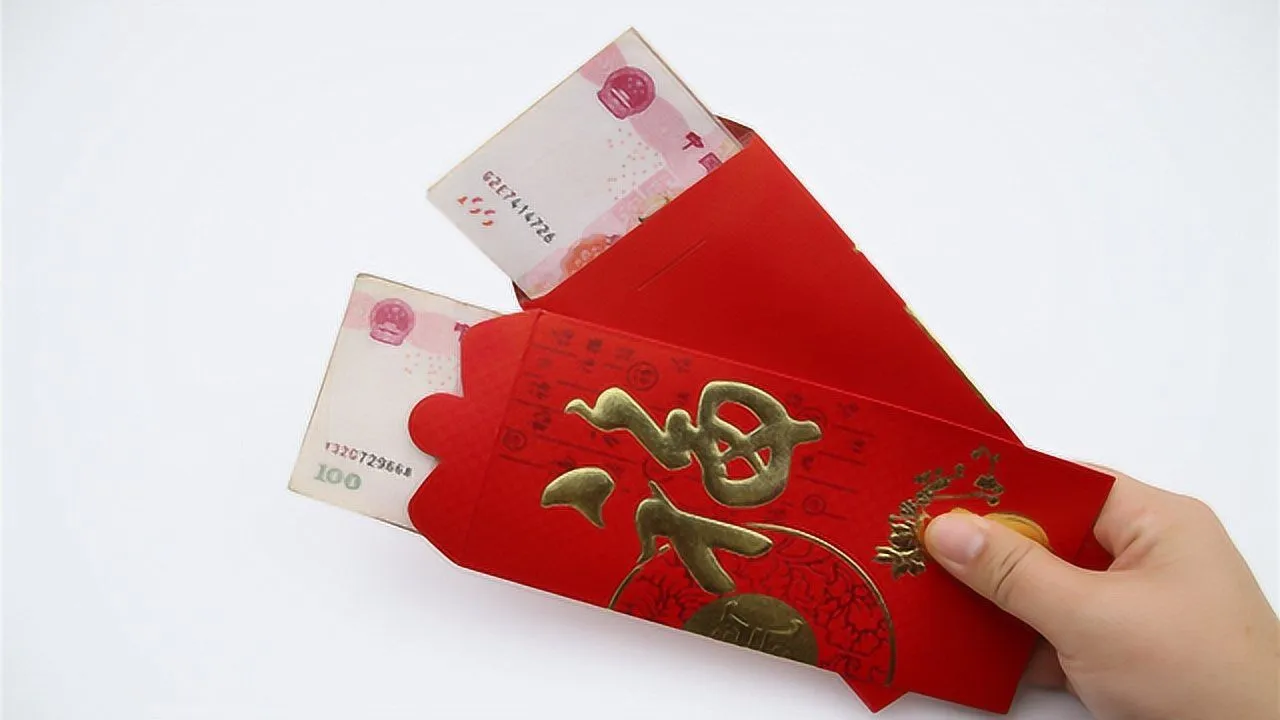
ホンバオは中国や東アジアの多くの地域で至る所に見られ、祭り、結婚式、誕生日、その他無数の人生のイベントに現れます。お金が入った赤い封筒以上のもので、ホンバオは深い文化的象徴、歴史的ルーツ、そして暗黙の社会的ルールを持っています。
この記事では、ホンバオとは何か、どこから来たのか、誰が与えるのか、どのように使われるのか、そしてなぜ現代中国社会で重要な役割を果たし続けているのかを探ります。
目次
ホンバオの基本
ホンバオという用語は中国語の言葉 红包 (hóngbāo)、文字通り「赤い袋」と訳されます。英語では、ホンバオは一般的にred envelopesまたはred packetsとして知られています。お金が入ったこれらの小さな赤い封筒は、中国中で見慣れた光景であり、アジアの他の多くの地域でも広く使用されています。
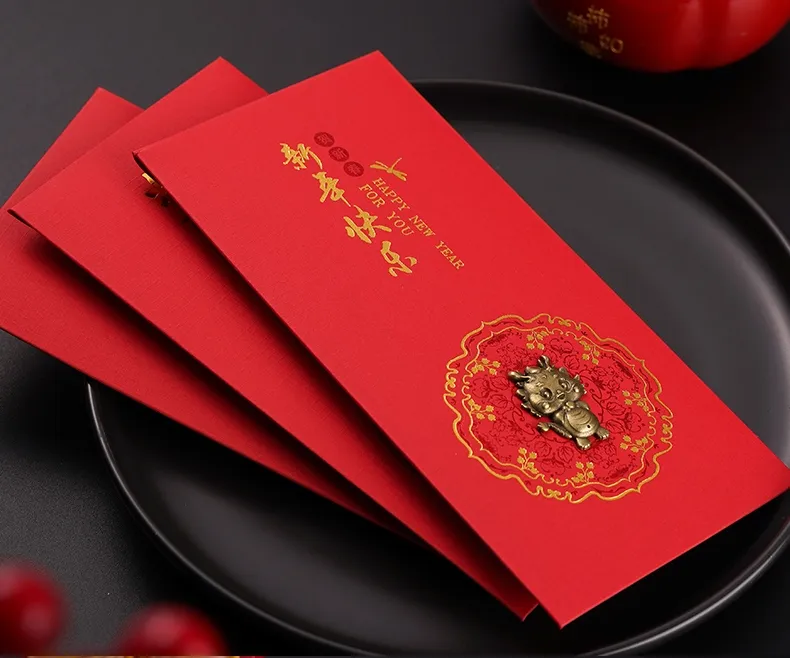
赤い封筒は、少なくとも10世紀以来、中国社会で特別な儀式的・文化的意義を持っています。それらは最も密接に関連しているのは Chinese New Year (春节 Chūnjié)、中国で最も重要な伝統的な祝日であり、太陰暦に従って祝われます。
その名の通り、ホンバオは常に赤です。中国文化では、赤は幸運、幸福、繁栄を象徴し、悪霊を追い払うと信じられています。封筒自体は、富、長寿、幸運を願う縁起の良い漢字や華やかなデザインで飾られることがよくあります。
近年、ホンバオ文化はオンラインで創造的なDIYムーブメントを引き起こし、人々が折り紙技術や個人的なデザインを使って自分自身の封筒を折り、伝統と現代の創造性を融合させています。
ホンバオの神話と起源
祭りや重要な人生のイベントで赤い封筒を贈る正確な起源を特定するのは困難です。中国文化の多くの伝統と同様に、ホンバオを贈る習慣は、複数の説明、民間伝承、象徴主義、そして何世紀にもわたる物語を融合したものに根ざしています。
ホンバオと悪鬼祟
この習慣の背後にある最もよく知られた伝説の一つは、Sui (祟 suì).
民間伝承によると、祟は子供だけを餌食にしました。毎年大晦日に、彼は暗闇に紛れて現れ、警戒心のない家族の家に静かに忍び込みました。中に入ると、祟は子供が眠っている寝室へ向かいました。
そこで、悪鬼は爪のある手で子供の額を撫でました。子供は恐怖で突然目を覚まし、叫び声を上げ、その遭遇によって長引く病気や激しい頭痛に苦しむと信じられていました。
ある年、幼い息子を守ろうと決意した特に献身的な両親は、一晩中彼を起こしておくことにしました。最初は成功しましたが、時間が経つにつれて疲労が子供を襲い、睡眠は避けられなくなりました。
息子を危害から守りたいと願った母親は、幸運と保護の象徴である8枚の銅貨を集めました。伝説によると、これらの硬貨は中国神話の八仙の具現化に他なりませんが、その話はまたの機会に取っておくのが最善です。
彼女は硬貨を赤い封筒に入れ、家族が寝る前に息子の枕の下にしまいました。お守りが悪鬼を追い払うのに十分であることを願って。
その夜、予想通り、祟は家に忍び込み、眠っている子供に近づきました。しかし、彼が近づくにつれて、枕の下からかすかな光が現れ始めました。光はどんどん強くなり、ついには炸裂し、まばゆく目をくらませました。
硬貨の輝く力に耐えられず、祟は恐怖に怯えて逃げ去り、暗闇の中に消え、子供に害を与えることはありませんでした。
その夜以来、赤い布に包んだお金を子供の枕の下に置くことは保護の象徴となり、時が経つにつれて、この習慣は悪を追い払い新年に幸運を招くためにホンバオを贈る伝統へと発展しました。
When Red Meets Money
With the protective power of bright red and the blessing of lucky coins, the plan worked—helped along, perhaps, by a few watchful gods. From that moment on, people began using money tucked inside red envelopes as a symbolic shield against misfortune and evil spirits.
This belief lives on today in the term 压岁钱 (yāsuìqián), the money traditionally given to babies and young children during the New Year. The word 岁 (suì), meaning 'year,' is pronounced the same as 祟 (suì), the name of the demon Sui. Because of this homophonic overlap, 压岁钱 is often interpreted as 'money to suppress or ward off Sui,' carrying the hope that the child will be protected and the coming year will pass peacefully.
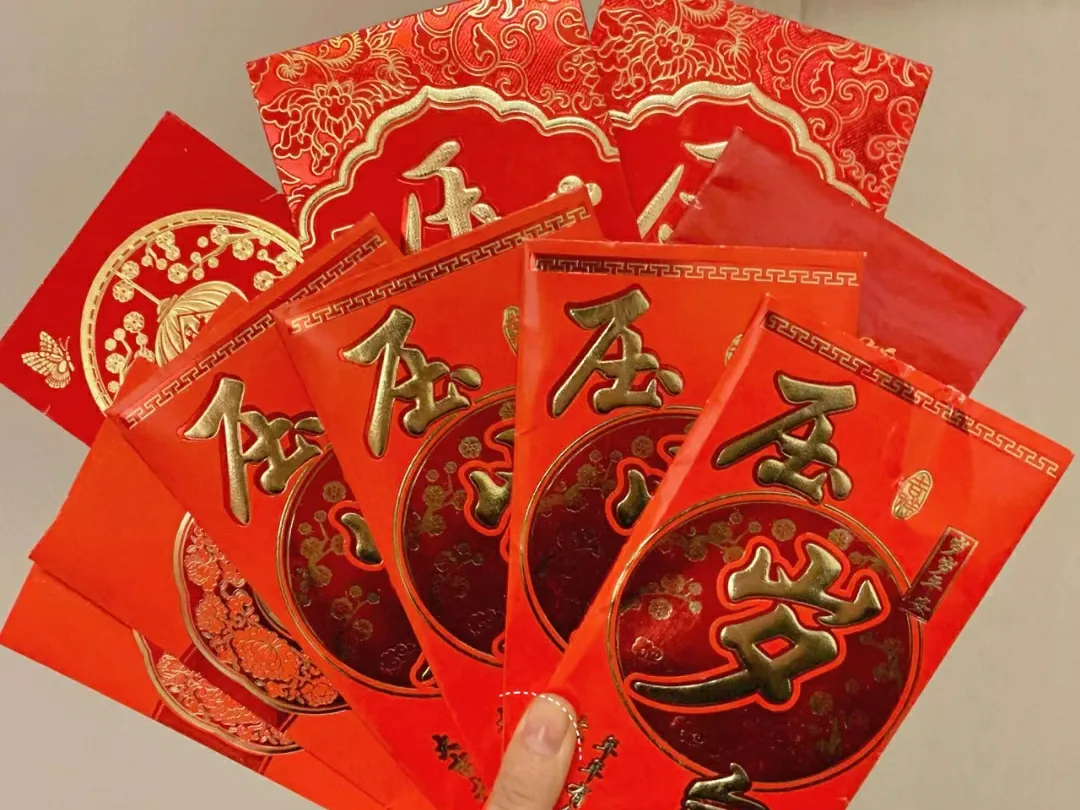
What began as a mythical defense has since become one of the most cherished customs of the Chinese New Year.
Hongbao Protocol
Now that we've explored the legends and folklore behind the origins of hongbao, it's time to turn to the practical side of this tradition. Giving and receiving red envelopes is guided by a set of unspoken social rules, and understanding them can help you navigate the custom with confidence and respect.
Key considerations include the age and social status of both the giver and the recipient, the occasions on which hongbao are appropriate, and even the physical condition of the money inside. The amount given, the way an envelope is presented, and how it is received all carry cultural significance.
Far from being a casual exchange of cash, hongbao etiquette reflects values such as respect, hierarchy, generosity, and good fortune. Mastering these details ensures that the gesture is received in the spirit in which it is intended.
Who Gives and Receives Hongbao in China?
In modern China, hongbao still serve the same social purpose they did centuries ago: they help build, reinforce, and maintain relationships. Far from being just envelopes of cash, hongbao function as social glue, quietly signaling care, respect, gratitude, and hierarchy.
Although the rules are flexible rather than absolute, hongbao are most commonly exchanged in the following situations.
Generational Giving: From Older to Younger
Traditionally, red envelopes flow downhill through the family tree. Elders give hongbao to children and young adults as a way of passing on blessings, protection, and good fortune.
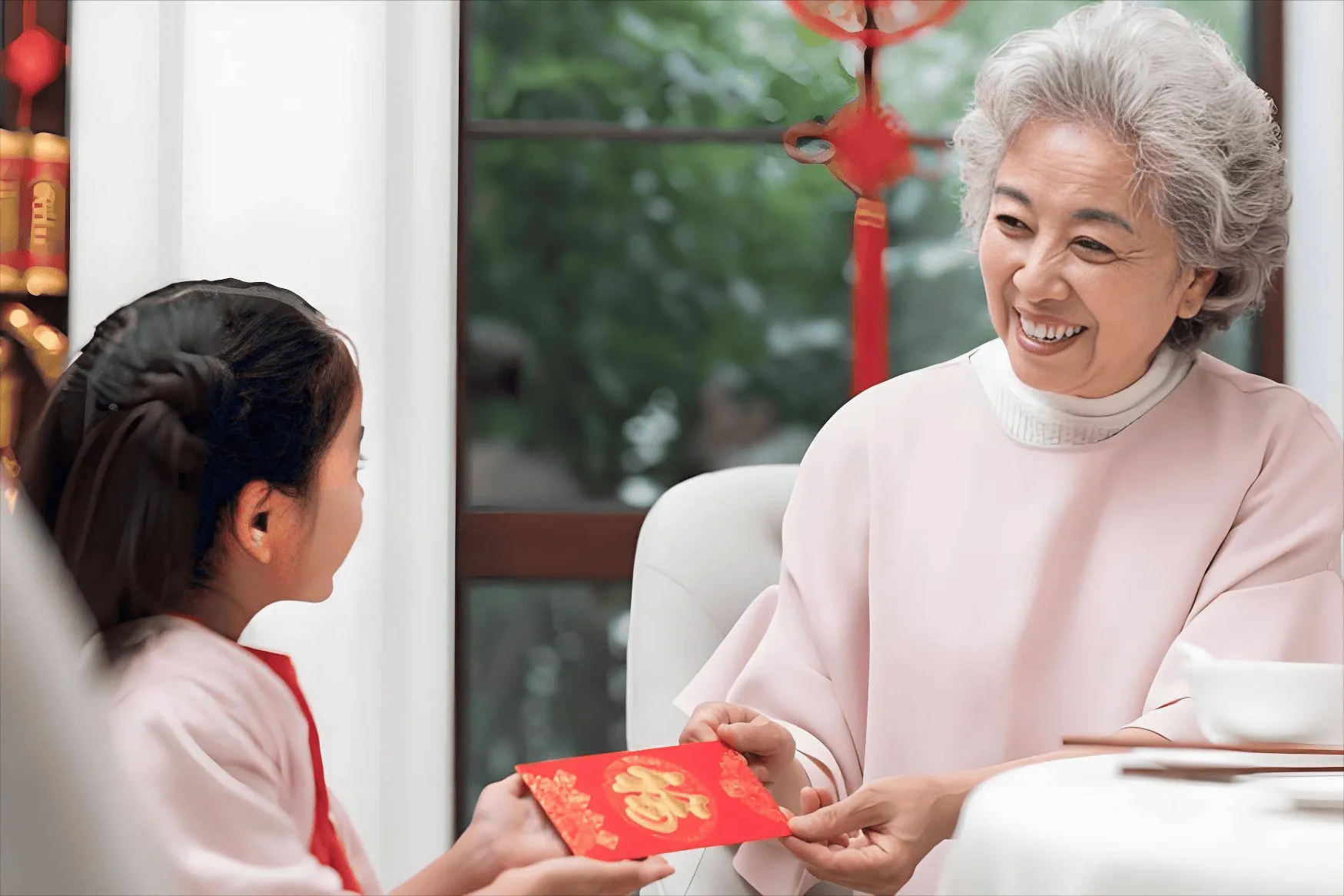
During major festivals such as Chinese New Year, it's common for grandparents, parents, aunts, uncles, and sometimes even older siblings to hand out red envelopes. Beyond the money itself, the gesture reinforces family bonds, respect for elders, and a sense of continuity between generations.
Marital Status: From Married to Unmarried
Marriage also plays a key role in hongbao etiquette. In many families, married individuals are expected to give red envelopes to unmarried relatives, especially during festivals and family gatherings.
At weddings, this custom works in reverse: guests present hongbao to the newlyweds as a wish for prosperity, fertility, and a smooth start to married life. Either way, marital status quietly determines who gives and who receives.
Workplace Customs: From Employers to Employees
In professional settings, hongbao often function as informal bonuses or symbolic rewards. Employers and managers may distribute red envelopes during major holidays, company anniversaries, or after particularly successful projects.
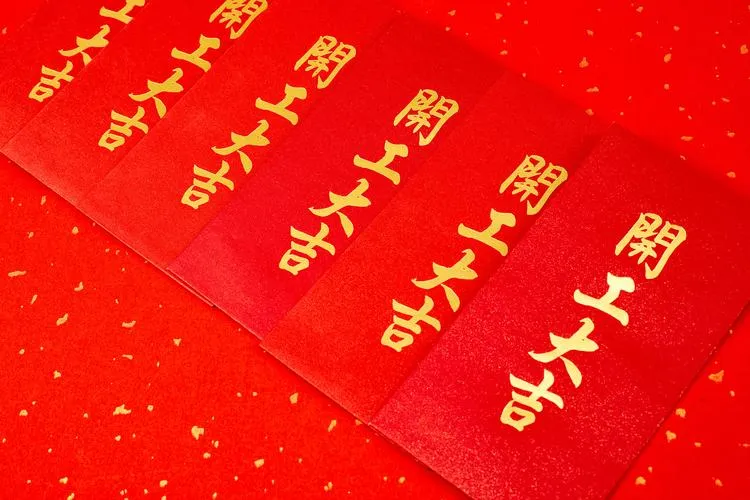
This practice reflects the paternal, family-like structure often found in Chinese workplaces, where leadership is expected to share success and prosperity with employees as a sign of appreciation and goodwill.
Professional Relationships: From Clients to Service Providers
Hongbao also appear in professional and service-based relationships. Patients may give them to doctors, students to teachers, or clients to consultants as a token of gratitude.
While not obligatory and increasingly regulated, these gestures are meant to express respect for expertise and effort, highlighting the importance of personal relationships in professional life.
The Dark Side: When Hongbao Become Bribes
Like many long-standing traditions, hongbao can be misused. In some cases, red envelopes have been employed as discreet bribes offered to officials, business partners, or gatekeepers of power.
This distortion strips hongbao of their symbolic meaning and undermines the values of goodwill and respect they are meant to represent. Although strict anti-corruption efforts have curbed this practice, it remains an uncomfortable reality in certain contexts.
Hongbao Occasions
Although hongbao are most strongly associated with Chinese Lunar New Year, their use extends far beyond the holiday season. In practice, red envelopes appear throughout the year and across a wide range of social situations.
China's vast size, regional diversity, and long history mean that hongbao customs can vary significantly from place to place. Add to that the many Chinese diaspora communities around the world, and the occasions for giving red envelopes become even more flexible and context-dependent.
Broadly speaking, hongbao tend to appear whenever there is something worth celebrating, acknowledging, or formalizing within a relationship. Common occasions include:
- ● Weddings and engagements
- ● Births and baby showers
- ● Anniversaries
- ● Job promotions and career milestones
- ● Welcoming or thanking guests
- ● Birthdays
- ● Graduations
- ● Major festivals, especially Chinese New Year
When in doubt, the rule of thumb is simple: if an event involves celebration, gratitude, or well-wishing, a hongbao is usually an appropriate and appreciated gesture.
And if you're wondering where to get them, there's no need to overthink it. Hongbao are widely sold in shops and markets, especially around festivals. Alternatively, many people now choose to make their own, with countless DIY hongbao tutorials available online for those who want to add a personal touch.
Respect Your Elders: Always Use Two Hands
When giving or receiving a hongbao, one rule rises above all others: always use both hands.
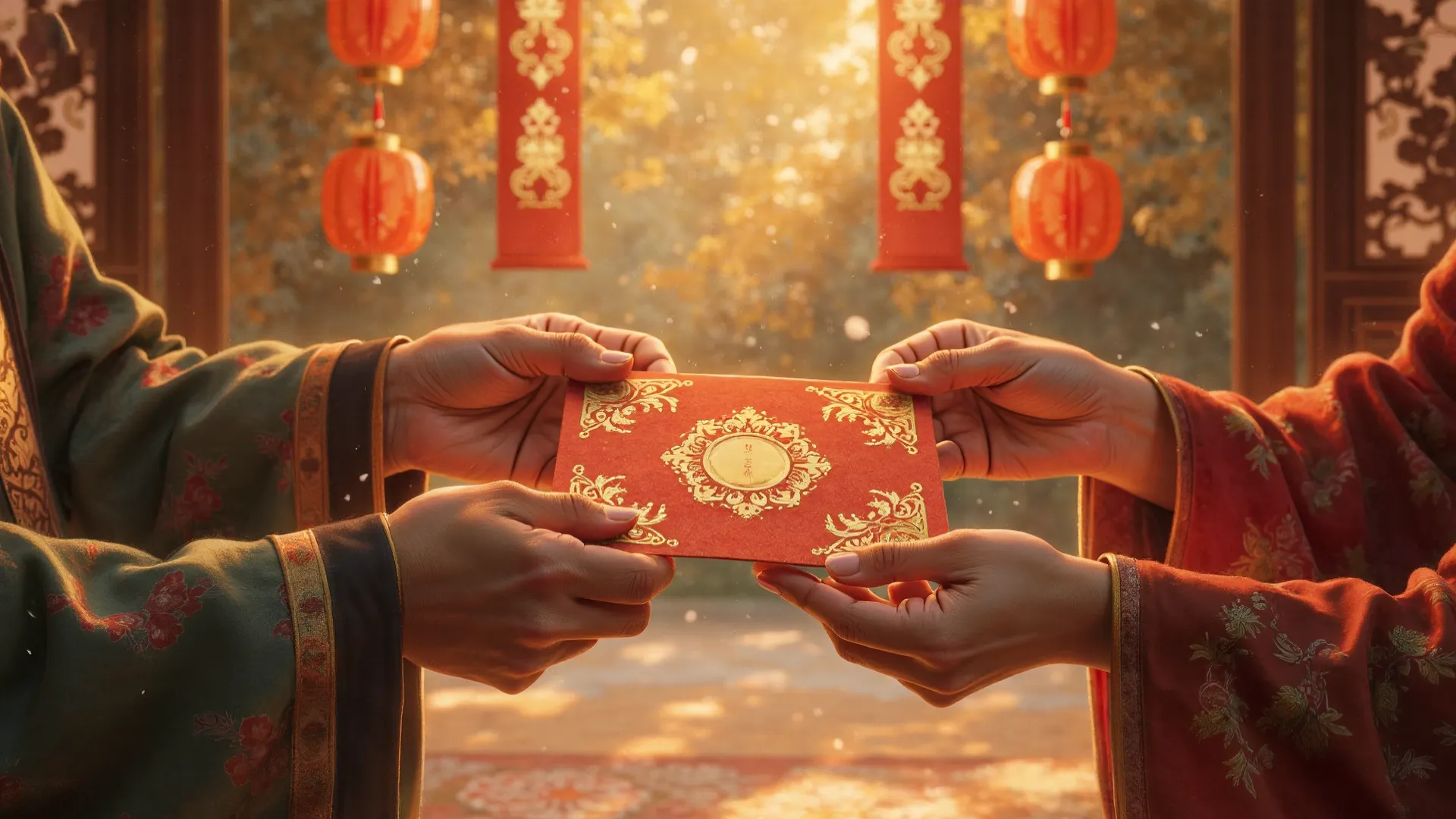
In fact, this principle extends far beyond red envelopes. In Chinese culture, offering or accepting any object with two hands is a fundamental sign of politeness and respect. It applies equally to peers and, even more so, to those who rank higher in age or social status.
You'll see this custom everywhere in daily life. Well-mannered students hand in homework to their teachers using both hands. Business cards are exchanged the same way, with care and intention. At banquets, when an employee raises a glass to toast a boss or manager, they typically hold the glass with two hands and keep it slightly lower than the other person's, a subtle yet meaningful gesture of respect.
Taken together, these small actions form an unspoken language of etiquette. Using two hands signals awareness, humility, and cultural sensitivity.
Master this simple habit, and you instantly stand out. You're no longer just another foreign visitor (老外 lǎowài). Instead, you come across as a 中国通 (Zhōngguótōng), someone who understands how respect is expressed in everyday Chinese interactions.
Hongbao Do's and Don'ts
When preparing a hongbao, it's essential to be aware of the customs and taboos that surround it. Paying attention to these details will help you avoid awkward moments and ensure your gesture is received with appreciation.
Below are some practical guidelines to help you give red envelopes with confidence and good style.
What goes inside?
For traditional, physical hongbao (as opposed to digital red envelopes, which we'll cover later), always use paper money rather than coins. Coins are generally considered inappropriate and can feel careless or informal.
Equally important is the condition of the bills. You should aim to give clean, crisp notes, not old or crumpled ones. Since much of the cash in circulation shows signs of wear, many people make a special trip to the bank before major holidays to withdraw fresh bills specifically for red envelopes.
How much should you give?
There is no single 'correct' amount for a hongbao. The sum varies greatly depending on the occasion, the relationship between giver and receiver, and even the region of China you're in.
And when we say it varies, we really mean it.
Some hongbao may contain less than 100 RMB, while others can reach into the tens of thousands. These expectations are often well understood within local communities, especially among family members or coworkers.
If you're ever unsure about how much is appropriate, the safest option is simple: ask a local. A bit of advice can go a long way toward making sure your hongbao hits exactly the right note.
Number Rules for Hongbao
When filling a hongbao, the numbers you choose are just as important as the money itself. In Chinese culture, even numbers are generally considered lucky, with 6 and 8 being particularly auspicious. Six symbolizes smoothness and good progress, while eight (八 bā) is associated with wealth and prosperity because it sounds like 发 (fā; 'to get rich').
Odd numbers, on the other hand, are usually avoided—except in certain contexts. For instance, in some regions, odd-numbered amounts are traditionally given at weddings, since they are difficult to divide evenly. If you're attending a wedding, it's best to check with someone local to be sure.
One number to note as an exception is 9. The Chinese word for 9 (九 jiǔ) sounds the same as 久 (jiǔ), meaning 'long' or 'lasting.' Including 9 in a hongbao is therefore seen as a wish for a long life, enduring marriage, or lasting happiness.
Conversely, avoid the number 4 at all costs. 四 (sì) is a homophone for 死 (sǐ; 'death'), making any combination of bills containing 4 highly inauspicious. In short, when it comes to hongbao, steer clear of 4 like the plague!
Money for Funerals
In Chinese tradition, attending a funeral usually involves giving money to the family of the deceased. Unlike festive red envelopes, the envelope used in this context is white, symbolizing mourning and respect for the departed. These envelopes are called 奠仪 (diànyí) rather than hongbao.
The amount of money placed inside a funeral envelope follows its own set of rules. Unlike celebrations where even numbers are favored, odd numbers are preferred for funerals, as they are considered indivisible and thus appropriate for solemn occasions.
This practice serves as a gesture of support and condolence, helping the grieving family cover funeral expenses while honoring the memory of their loved one. The careful choice of envelope color and number reflects the deep symbolism and attention to detail in Chinese cultural rituals.
Virtual Hongbao: Red Envelopes Go Digital
In today's cashless China, red envelopes have fully entered the digital era. Virtual hongbao have transformed a once face-to-face tradition into a fast, playful, and highly social online experience. With just a few taps on a smartphone, users can now send money, blessings, and good fortune instantly.
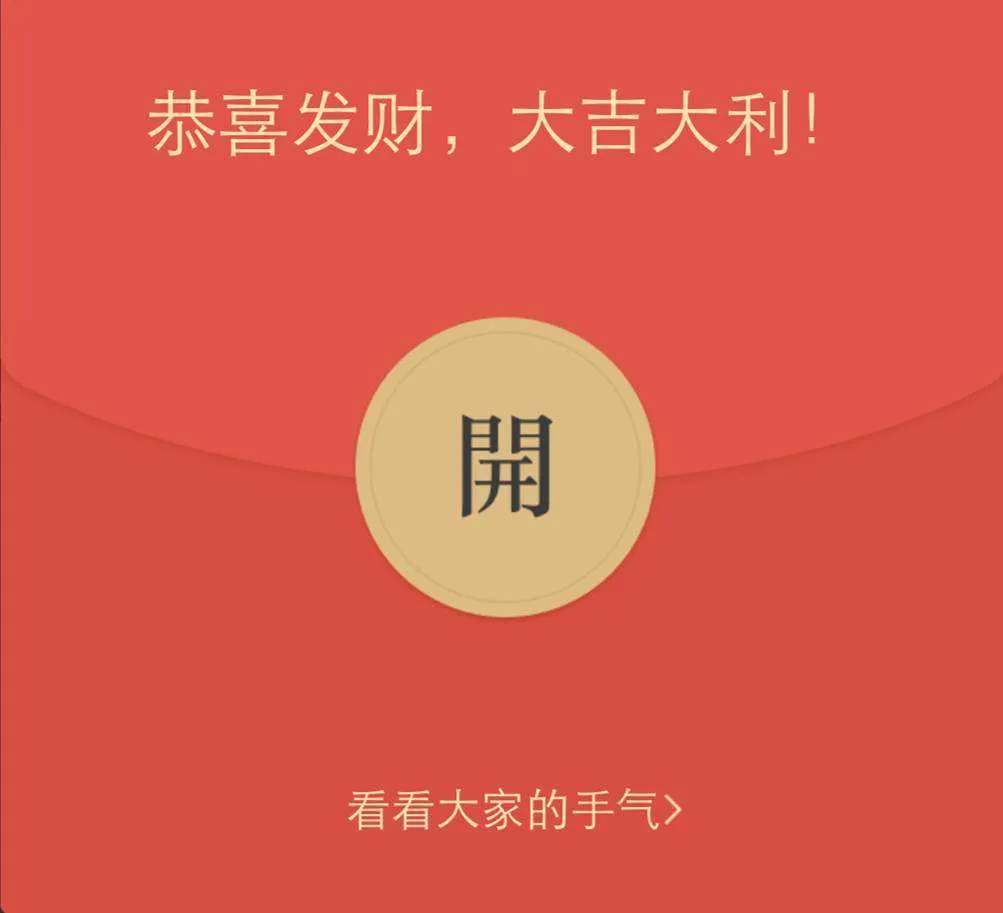
Apps like WeChat (微信 Wēixìn) and Alipay (支付宝 Zhīfùbǎo) have built entire ecosystems around digital red envelopes, especially during Chinese New Year. Features such as group 'hongbao grabs,' random cash splits, and countdown releases turn gifting into a game, often sparking friendly competition among friends, families, and coworkers.
Virtual hongbao have also expanded beyond personal relationships. Fans send them to live streamers, online creators, and even celebrities as a form of support or appreciation. Brands have embraced the trend as well, using digital red envelopes in seasonal promotions to connect traditional symbolism with modern consumer culture.
While the format has changed, the meaning remains the same. Whether physical or virtual, hongbao continue to represent good wishes, generosity, and social connection—proving that even the most time-honored traditions can thrive in a digital world.
Hongbao Beyond China
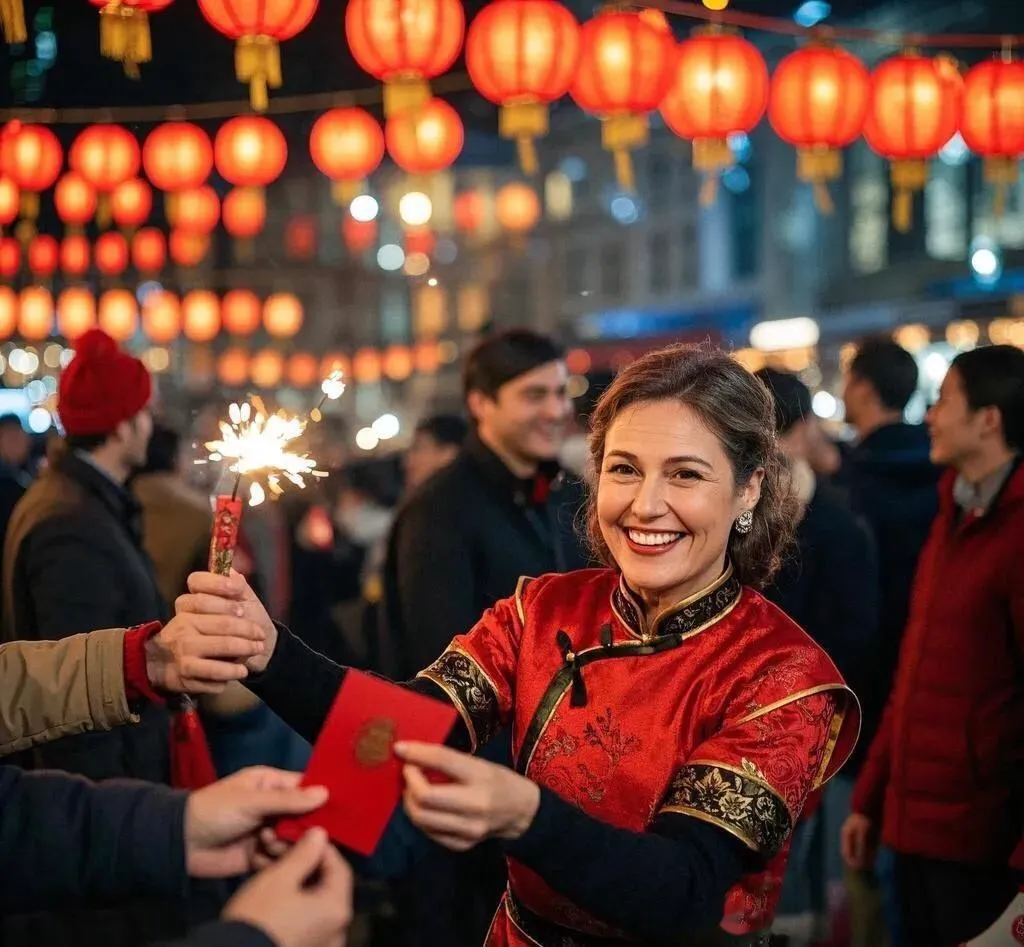
Traditional red envelopes in various Asian countries, showing how the hongbao tradition has spread beyond China
Red envelopes may have originated in China, but their influence now stretches far beyond its borders. Across Asia and within overseas Chinese communities, hongbao-like traditions have evolved, blending local beliefs with shared cultural roots.
Vietnam
In Vietnam, red envelopes play a central role during Tết, the Vietnamese Lunar New Year. Much like children in the West look forward to Christmas presents, Vietnamese kids eagerly await envelopes filled with lucky money at the start of the new year.
These envelopes are known as lì xì, a term derived from classical Chinese expressions meaning 'auspicious money.' The practice closely resembles Chinese hongbao customs, both in form and symbolism. Elders pass on blessings, good fortune, and well wishes to younger family members, reinforcing respect across generations.
Interestingly, Vietnamese folklore also links this tradition to the same protective legend found in China, the story of the demon Sui, further highlighting the shared cultural heritage of the region.
Malaysia, Brunei, and Indonesia
In parts of Southeast Asia, particularly Malaysia, Brunei, and Indonesia, the tradition appears in a distinctly Islamic form. Here, envelopes are typically green rather than red and are known as sampul duit raya.
These envelopes are exchanged during Eid al-Fitr, the celebration marking the end of Ramadan. The money inside, often referred to as Eidi, is usually given by adults to children and visiting guests. Green is symbolically significant in Islamic culture, representing paradise and spiritual renewal.
Originally tied to charitable giving and almsgiving, the practice has gradually evolved into a more general festive custom. Today, green envelopes are given generously, regardless of the recipient's financial situation, and are often decorated with cheerful designs and holiday greetings.
A Tradition Without Borders
From East Asia to Southeast Asia and beyond, the red envelope concept has proven remarkably adaptable. Though colors, names, and occasions may vary, the core idea remains unchanged: sharing prosperity, strengthening relationships, and passing good fortune from one person to another.
Experience It for Yourself
Reading about hongbao is one thing. Experiencing them in real life is another entirely. Whether during Lunar New Year, a wedding, or a family gathering, handing over a red envelope in person offers a small but meaningful window into Chinese culture and social life.
FAQ
Q: What is a hongbao in Chinese culture?
A: A hongbao is a red envelope filled with money, traditionally given during festivals, weddings, birthdays, and other important life events. Beyond the money itself, hongbao symbolize good luck, protection, blessings, and the strengthening of social relationships.
Q: Why are hongbao always red?
A: Red is considered the most auspicious color in Chinese culture. It represents happiness, prosperity, and good fortune, and is believed to ward off evil spirits. Using red envelopes reinforces the protective and celebratory meaning of the gift.
Q: Who usually gives hongbao in China?
A: Traditionally, hongbao are given by elders to younger family members, by married people to unmarried relatives, by employers to employees, and by guests to newlyweds. The direction of giving often reflects age, marital status, and social hierarchy.
Q: How much money should you put in a hongbao?
A: There is no fixed amount. The appropriate sum depends on the occasion, relationship, and local customs. Even numbers are generally preferred, especially 6 and 8, while the number 4 is avoided due to its association with bad luck.
Q: What is the difference between festive hongbao and funeral envelopes?
A: Festive hongbao are red and symbolize joy and good fortune, while funeral envelopes are white and are called 奠仪 (diànyí). Funeral envelopes typically contain odd-numbered amounts and express condolence and respect rather than celebration.
Q: Are digital hongbao considered acceptable in modern China?
A: Yes. Virtual hongbao sent through platforms like WeChat and Alipay are widely accepted and extremely popular. While the format has changed, digital red envelopes still carry the same symbolic meaning of generosity, blessings, and social connection.