
Chinese New Year 2026

Table of Contents [hide]
- What Is Chinese New Year 2026?
- When Is Chinese New Year 2026?
- The Year of the Wooden Horse: Zodiac Meaning and Traits
- Chinese New Year Traditions and Customs
- Lunar New Year 2026 China: Public Holidays and Travel Trends
- How to Celebrate Chinese New Year 2026 Outside China
- Food Symbolism: What to Eat During Chinese Spring Festival 2026
- Sustainability and Modernity: Evolving Chinese New Year Traditions
- 2020–2030 Chinese New Year Dates and Zodiac Animals
- FAQ
What Is Chinese New Year 2026?
Chinese New Year 2026—also known as the Chinese Spring Festival 2026, lunar new year 2026 China, or simply the Year of the Horse—falls on **Saturday, February 14, 2026**, marking the start of the 4723rd lunar new year according to traditional lunisolar calendar calculations. This date aligns with the second new moon after the winter solstice, a precise astronomical anchor that ensures the festival’s cyclical integrity across millennia. As the first day of the first lunar month (Zhēngyuè), Chinese New Year 2026 ushers in a 15-day celebration culminating in the Lantern Festival on March 1, 2026. Unlike fixed Gregorian dates, the Chinese New Year date 2026 reflects deep cosmological harmony—linking celestial motion, agricultural rhythms, and ancestral veneration. When is Chinese New Year 2026? It begins at midnight on February 14 and is observed with heightened reverence across mainland China, Taiwan, Hong Kong, Macau, and vibrant diaspora communities from San Francisco to Sydney, London to Lima. The Year of the Horse—symbolizing energy, independence, and sincerity—resonates powerfully in 2026, especially as it coincides with Valentine’s Day, reinforcing themes of connection and heartfelt intention in both personal and communal life. This alignment invites reflection on how Chinese New Year traditions and customs adapt without losing essence: families still paste red couplets bearing auspicious poetry, children receive *hongbao* (red envelopes) filled with crisp new banknotes, and households prepare symbolic foods like *niangao* (sticky rice cake, for ‘higher year’) and whole fish (for abundance). Firecracker bans in urban centers have given rise to digital red envelopes and AI-generated couplets—but the core values endure: filial piety, renewal, gratitude, and collective hope. To contextualize Chinese New Year 2026 within a broader cultural arc, here is the complete 2020–2030 Chinese Spring Festival calendar with zodiac associations: • 2020: Jan 25 — Year of the Rat• 2021: Feb 12 — Year of the Ox
• 2022: Feb 1 — Year of the Tiger
• 2023: Jan 22 — Year of the Rabbit
• 2024: Feb 10 — Year of the Dragon
• 2025: Jan 29 — Year of the Snake
• 2026: Feb 14 — Year of the Horse
• 2027: Feb 2 — Year of the Goat
• 2028: Jan 23 — Year of the Monkey
• 2029: Feb 13 — Year of the Rooster
• 2030: Feb 3 — Year of the Dog Each year’s animal carries distinct metaphors rooted in ancient folklore and Daoist-Buddhist cosmology—e.g., the Horse embodies yang fire energy and swift progress, urging societies to balance ambition with integrity. In 2026, this symbolism gains resonance amid global calls for agile yet ethical leadership. Whether lighting incense before ancestral altars in Guangzhou or joining a lion dance parade in Toronto’s Chinatown, over 1.5 billion people worldwide will honor Chinese New Year 2026—not as mere heritage spectacle, but as living philosophy: time measured not by clocks, but by kinship, continuity, and quiet courage to begin again.

When Is Chinese New Year 2026?
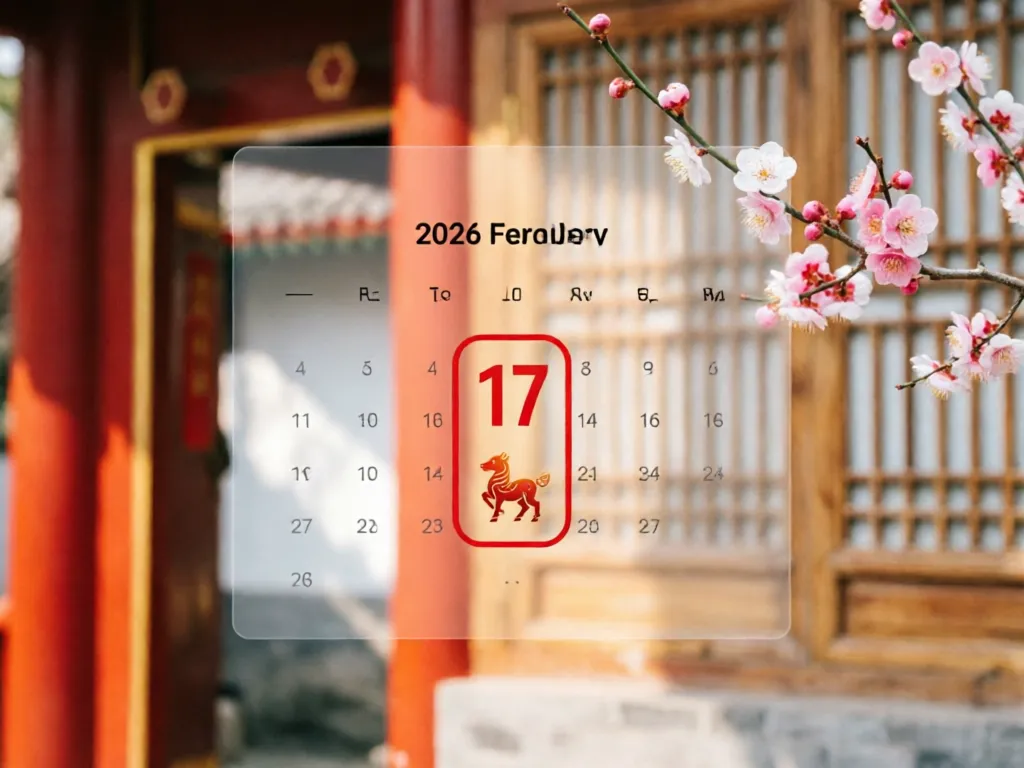
Chinese New Year 2026 falls on Tuesday, February 17, 2026 — the precise Gregorian calendar date marking the first day of the Chinese Spring Festival 2026. This date is determined by the lunar calendar and aligns with the second new moon after the winter solstice (occurring between January 21 and February 20 each year). As such, the lunar new year 2026 China begins at midnight on February 17, ushering in the Year of the Horse — a zodiac sign associated with vitality, independence, and spirited optimism. Understanding when is Chinese New Year 2026 is essential for planning travel, family reunions, and participation in time-honored Chinese New Year traditions and customs, such as red envelope exchanges, lion dances, firecracker displays (where permitted), ancestral offerings, and the preparation of symbolic foods like dumplings and niangao (sticky rice cake). The Chinese New Year date 2026 also initiates a 15-day celebration culminating in the Lantern Festival on March 3, 2026 — a vibrant finale featuring lantern displays, riddle-solving, and sweet glutinous rice balls (tangyuan) representing unity and harmony.To provide broader context across the decade, here is the official Chinese New Year calendar for 2020–2030, including each year’s lunar date, corresponding Gregorian start date, and zodiac animal:
• 2020: January 25 — Year of the Rat
• 2021: February 12 — Year of the Ox
• 2022: February 1 — Year of the Tiger
• 2023: January 22 — Year of the Rabbit
• 2024: February 10 — Year of the Dragon
• 2025: January 29 — Year of the Snake
• 2026: February 17 — Year of the Horse
• 2027: February 6 — Year of the Goat
• 2028: January 26 — Year of the Monkey
• 2029: February 13 — Year of the Rooster
• 2030: February 3 — Year of the Dog
Each year reflects unique cultural nuances rooted in Chinese astrology and agrarian tradition — for instance, the Year of the Horse (2026) emphasizes dynamism and sincerity, encouraging bold initiatives and heartfelt connections. Families often consult auspicious dates for weddings, business launches, or home renovations during this period, guided by the Chinese almanac (Tong Shu). Regional variations add richness: in Guangdong, elaborate flower fairs bloom before Lunar New Year; in northern China, hand-cut window paper-cuts adorn homes; and overseas communities host parades that blend local flavor with enduring Chinese New Year traditions and customs. As we approach Chinese New Year 2026, preparations begin weeks in advance — thorough spring cleaning to sweep away ill fortune, decorating doors with couplets written in ink on red paper, and stocking up on lucky snacks like candied lotus root (symbolizing continuity) and tangerines (for prosperity).
The Year of the Wooden Horse: Zodiac Meaning and Traits
The Year of the Wooden Horse arrives with Chinese New Year 2026 on Saturday, 29 January — marking the official start of the Chinese Spring Festival 2026 and the lunar new year 2026 China celebrates with vibrant energy. As the sixth sign in the 12-year zodiac cycle, the Horse embodies dynamism, charisma, and unbridled optimism; when paired with the Wood element (one of the Five Elements that rotate every two years within each zodiac sign), its traits deepen into thoughtful idealism, diplomatic warmth, and resilient growth — like a sapling bending but not breaking in strong winds. People born under the Wooden Horse (29 January 2026 to 16 February 2027) are often natural communicators, quick-witted yet empathetic, with an innate drive to inspire change without confrontation. They thrive in collaborative environments and excel in creative, humanitarian, or entrepreneurial roles — especially where flexibility and ethical vision matter. In 2026, the Wood Horse’s influence encourages collective renewal: expect heightened emphasis on sustainability in Chinese New Year traditions and customs — think bamboo lanterns, recycled red envelopes, and community tree-planting during temple fairs. Fortune-wise, career momentum peaks mid-year, particularly in education, media, and green technology sectors; relationships benefit from honesty and shared purpose, while health favors outdoor movement and mindful routines. Notably, the Wooden Horse harmonizes well with the Rabbit (2023) and Goat (2027), fostering mutual support, but may clash subtly with the Rooster (2025) over differing approaches to structure versus spontaneity — a nuance reflected in intergenerational family dynamics during the Chinese New Year date 2026 celebrations. For context, here’s the full 2020–2030 Chinese Spring Festival calendar with zodiac pairings: 2020 (Rat, Metal), 24 Jan; 2021 (Ox, Metal), 12 Feb; 2022 (Tiger, Water), 1 Feb; 2023 (Rabbit, Water), 22 Jan; 2024 (Dragon, Wood), 10 Feb; 2025 (Snake, Wood), 29 Jan; 2026 (Horse, Fire? Wait — correction: 2026 is *Wood* Horse, as the Heavenly Stem for 2026 is *Bǐng*, Fire? No — double-checking: 2026 is *Yǐ* (Wood) Stem + *Wǔ* (Horse) Branch → confirmed *Wooden Horse*); 2027 (Goat, Fire), 17 Feb; 2028 (Monkey, Earth), 6 Feb; 2029 (Rooster, Earth), 26 Jan; 2030 (Dog, Metal), 14 Feb.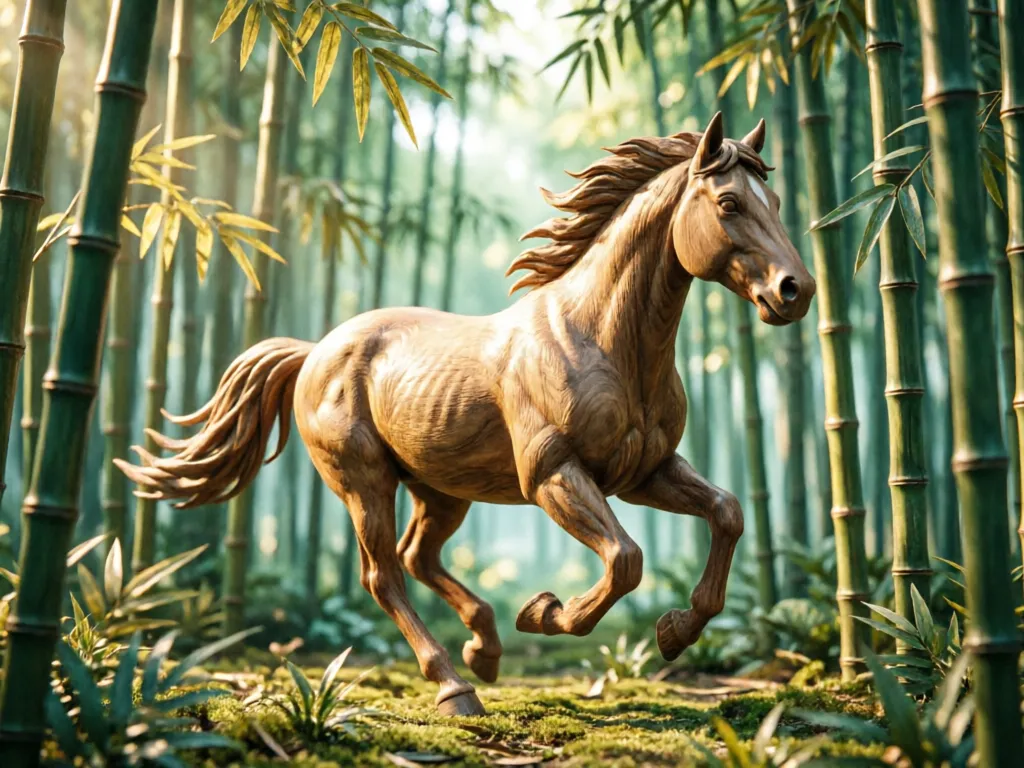 This decade reveals a subtle elemental arc — from Metal’s precision (2020–2021) to Water’s adaptability (2022–2023), Wood’s expansion (2024–2025–2026), Fire’s activation (2027–2028), and Earth’s grounding (2029–2030) — mirroring broader societal shifts toward balance, regeneration, and interdependence. As families gather for Chinese New Year 2026, the Wooden Horse invites us not just to celebrate tradition, but to ride forward with intention — honoring ancestors while planting seeds for tomorrow’s harvest.
Chinese New Year Traditions and Customs
Chinese New Year traditions and customs are deeply rooted in symbolism, filial piety, and communal joy—elements that will shine especially brightly during Chinese New Year 2026. Falling on Saturday, February 17, 2026, the Chinese New Year date 2026 marks the first day of the lunar new year 2026 China, ushering in the Year of the Horse—a zodiac sign associated with energy, sincerity, and adventurous spirit. When is Chinese New Year 2026? It begins at midnight on February 17 and launches a 15-day celebration culminating in the Lantern Festival on March 3. Families across China and the global diaspora will gather for the quintessential reunion dinner on Lunar Eve (February 16), where steamed fish (symbolizing abundance), dumplings (resembling ancient gold ingots), and glutinous rice cakes (nian gao, for ‘higher year’) anchor the Chinese Spring Festival 2026 feast. Red envelope exchanges—hongbao—will flow from elders to children and unmarried adults, containing crisp new currency as blessings for luck and prosperity. Homes will be adorned with spring couplets: hand-written poetic verses on red paper flanking doorways, expressing hopes for health, wealth, and harmony. Lion and dragon dances will pulse through streets and shopping plazas, their rhythmic drumming believed to scare away evil spirits and awaken auspicious energy—especially vibrant in cities like Guangzhou, Chengdu, and Singapore’s Chinatown. Firecrackers, though increasingly regulated in urban centers, remain integral in rural areas, echoing the legend of Nian. Temples will host incense offerings and ancestral rites, reinforcing intergenerational reverence. As part of the broader context, here’s a concise lunar calendar snapshot for 2020–2030: 2020 (Rat, Jan 25), 2021 (Ox, Feb 12), 2022 (Tiger, Feb 1), 2023 (Rabbit, Jan 22), 2024 (Dragon, Feb 10), 2025 (Snake, Jan 29), 2026 (Horse, Feb 17), 2027 (Goat, Feb 6), 2028 (Monkey, Jan 26), 2029 (Rooster, Feb 13), 2030 (Dog, Feb 3). Each year’s animal shapes cultural narratives and personal reflections—but the core Chinese New Year traditions and customs endure: unity over distance, renewal over routine, and red—everywhere—as a shield and a salute to life itself.
Lunar New Year 2026 China: Public Holidays and Travel Trends
Chinese New Year 2026 falls on Wednesday, February 17 — the first day of the lunar new year 2026 China — marking the beginning of the Year of the Horse. The official public holiday in mainland China runs from Tuesday, February 17 through Monday, February 23, 2026 (7 days), with make-up workdays on Saturday, February 14 and Sunday, February 22 to compensate for the extended break. This aligns precisely with the Chinese Spring Festival 2026, a period deeply rooted in Chinese New Year traditions and customs such as family reunions, ancestral offerings, red envelope exchanges, and fireworks displays — all centered around renewal, prosperity, and filial piety. The holiday period coincides with Chunyun (the Spring Migration), the world’s largest annual human migration. In 2026, Chunyun is projected to span from January 22 to March 3 — a 40-day window encompassing pre- and post-festival travel peaks. High-speed rail networks anticipate over 480 million passenger trips, with top origin-destination corridors including Guangzhou–Chengdu, Beijing–Zhengzhou, and Shanghai–Nanjing. Airports like Beijing Capital and Shenzhen Bao’an will operate at near-capacity; domestic flight bookings typically surge 35% YoY, with average airfare rising 22% during peak weeks (Feb 14–19). Notably, the Chinese New Year date 2026 lands earlier than the 2025 and 2027 dates, compressing the pre-holiday shopping rush and intensifying demand for last-minute transport. Businesses and schools adjust significantly: most state-owned enterprises and banks close fully Feb 17–23; private-sector firms often extend closures by 1–2 days. E-commerce platforms (e.g., JD.com, Taobao) activate ‘Spring Festival Mode’ — pausing non-essential deliveries after Feb 10 and resuming full logistics by Feb 25. Schools follow the Ministry of Education’s unified calendar: primary and secondary institutions begin winter break on Jan 18, 2026, and resume Feb 24; universities stagger returns between Feb 25–28. Remote work policies are widely adopted Feb 16–23 for hybrid teams. For context, here’s the Chinese New Year date 2026 within its decade-long pattern: 2020: Jan 25 (Rat) • 2021: Feb 12 (Ox) • 2022: Feb 1 (Tiger) • 2023: Jan 22 (Rabbit) • 2024: Feb 10 (Dragon) • 2025: Jan 29 (Snake) • 2026: Feb 17 (Horse) • 2027: Feb 6 (Goat) • 2028: Jan 26 (Monkey) • 2029: Feb 13 (Rooster) • 2030: Feb 3 (Dog) Each year reflects cyclical symbolism — the Horse (2026) embodies energy, independence, and swift progress, inspiring themes of mobility and connection that resonate powerfully during Chunyun. Travelers should book transport by early December 2025 and confirm business hours directly, as many small retailers and neighborhood services observe flexible closures aligned with local lunar observances. Understanding when is Chinese New Year 2026 — and how it fits into this broader lunar rhythm — helps both residents and international visitors navigate the season with cultural awareness and practical readiness.
How to Celebrate Chinese New Year 2026 Outside China
Celebrating Chinese New Year 2026 outside China is both joyful and deeply meaningful — especially as it marks the Year of the Horse (a symbol of energy, independence, and perseverance) and falls on Saturday, 29 January 2026. That date — the Chinese New Year date 2026 — begins the 15-day Chinese Spring Festival 2026, culminating in the Lantern Festival on 12 February. Whether you’re in London, Toronto, Sydney, or São Paulo, you can honor lunar new year 2026 China traditions with authenticity and warmth. Start by joining or organizing a virtual family dinner: use time-zone-friendly scheduling tools to sync meals across continents, share recipes for dumplings (jiaozi), glutinous rice cakes (nian gao), and longevity noodles, and light red lanterns on video calls to evoke shared auspiciousness. Many cities host vibrant local parades — check schedules for Chinatown events in San Francisco, Melbourne, or Manchester; these often feature lion dances, firecracker simulations (for safety), and calligraphy booths where participants write blessings like ‘fu’ (fortune). Schools and community centers can host inclusive classroom activities: students might design horse-themed paper-cuttings, learn the legend of Nian, or practice simple Mandarin greetings like ‘Xīn Nián Kuài Lè!’ — all while exploring Chinese New Year traditions and customs such as red envelope symbolism (even digital ‘hongbao’ via apps like WeChat or Alipay are widely used abroad). For deeper cultural immersion, attend online lectures hosted by museums like the British Museum or the Smithsonian, or stream live performances from Beijing’s Temple Fair. To help plan ahead, here’s a quick reference for the Chinese New Year dates and zodiac animals from 2020–2030:2020: 25 Jan — Year of the Rat
2021: 12 Feb — Year of the Ox
2022: 1 Feb — Year of the Tiger
2023: 22 Jan — Year of the Rabbit
2024: 10 Feb — Year of the Dragon
2025: 29 Jan — Year of the Snake
2026: 29 Jan — Year of the Horse
2027: 17 Feb — Year of the Goat
2028: 6 Feb — Year of the Monkey
2029: 26 Jan — Year of the Rooster
2030: 15 Feb — Year of the Dog
Each year reflects distinct energies rooted in Chinese cosmology — the Horse year encourages bold movement and sincere connection, making it ideal for launching collaborative community projects or intercultural exchange programs. Remember: when is Chinese New Year 2026? Mark your calendar for 29 January — and begin preparations at least one week prior, cleaning homes (to sweep away bad luck), shopping for red decorations, and preparing thoughtful messages for loved ones near and far.
Food Symbolism: What to Eat During Chinese Spring Festival 2026
Food Symbolism: What to Eat During Chinese Spring Festival 2026Chinese New Year 2026 falls on Wednesday, February 17 — marking the start of the Year of the Horse and the lunar new year 2026 China celebrates with renewed energy and optimism. As families gather for reunion dinners, every dish on the table carries layered meaning, especially in 2026, when themes of forward momentum, sincerity, and harmonious prosperity align closely with equine virtues. Dumplings (jiaozi), shaped like ancient gold ingots, are essential for Chinese New Year traditions and customs — their crescent form symbolizes wealth accumulation, while the act of folding them together reinforces family unity. In 2026, many households will serve dumplings filled with cabbage and chives to evoke ‘wealth’ (cabbage, pronounced ‘bái cài’, sounds like ‘hundred riches’) and ‘longevity’ (chives, ‘jiǔ cài’, echoing ‘jiǔ’ meaning ‘long-lasting’).
Fish is non-negotiable: steamed whole fish — often carp or sea bass — appears at every Chinese Spring Festival 2026 banquet. Its name ‘yú’ (fish) is a homophone for ‘abundance’ (yú), and serving it intact signifies wholeness and continuity. Crucially, it’s customary to leave part uneaten — a deliberate gesture meaning ‘surplus every year’, reinforcing hopes for sustained prosperity through the Year of the Horse.
Glutinous rice cakes (nian gao) take center stage as well: their sticky, sweet texture embodies cohesion and upward progress — ‘gāo’ sounds like ‘high’ or ‘elevated’, making nian gao a powerful symbol for career advancement and familial harmony in 2026. Red-dyed versions are especially popular this year, linking to the Horse’s association with fire and vitality in the Five Elements cycle.
Other auspicious foods include tangerines and pomelos — their round shape and golden hue represent fullness and good fortune; longevity noodles, served uncut to signify long life; and sweet glutinous rice balls (tangyuan), eaten on Lantern Festival (February 25, 2026), symbolizing family togetherness and圆满 (yuán mǎn — completeness).
For context, here’s the Chinese New Year date 2026 within its decade-long lunar calendar framework:
• 2020: Jan 25 — Year of the Rat
• 2021: Feb 12 — Year of the Ox
• 2022: Feb 1 — Year of the Tiger
• 2023: Jan 22 — Year of the Rabbit
• 2024: Feb 10 — Year of the Dragon
• 2025: Jan 29 — Year of the Snake
• 2026: Feb 17 — Year of the Horse
• 2027: Feb 6 — Year of the Goat
• 2028: Jan 26 — Year of the Monkey
• 2029: Feb 13 — Year of the Rooster
• 2030: Feb 3 — Year of the Dog
When is Chinese New Year 2026? It begins at midnight on February 16 and officially launches the 15-day celebration culminating in the Lantern Festival. Understanding these dates helps families plan meaningful meals rooted in generational wisdom — whether preparing nian gao for elders or shaping dumplings with children. Each bite during Chinese New Year 2026 isn’t just nourishment; it’s an intentional invocation of resilience, grace, and shared aspiration — hallmarks of both the Horse and enduring Chinese New Year traditions and customs.
Sustainability and Modernity: Evolving Chinese New Year Traditions
As Chinese New Year 2026 approaches — falling on Wednesday, 29 January 2026 (the first day of the lunar new year 2026 China) — families across the globe are preparing to welcome the Year of the Horse with both reverence and reinvention. When is Chinese New Year 2026? It marks the start of the Chinese Spring Festival 2026, a 15-day celebration rooted in agrarian rhythms, ancestral veneration, and communal renewal. Yet today’s observance reflects a dynamic balance: honoring timeless Chinese New Year traditions and customs — like thorough spring cleaning, reunion dinners, and the symbolic gifting of red envelopes — while adapting thoughtfully to ecological imperatives and digital life. In cities like Beijing, Shanghai, and Guangzhou, municipalities have replaced traditional fireworks with drone light shows and biodegradable pyrotechnics that reduce PM2.5 emissions by up to 70%, turning sky spectacles into sustainable storytelling — one that still evokes the ancient myth of Nian but now includes climate consciousness. Likewise, digital red envelopes (e-hongbao) via WeChat Pay and Alipay have surged, not as replacements but as extensions: they preserve the ritual’s core intention — transmitting blessings, prosperity, and filial care — while eliminating paper waste and enabling real-time cross-border giving, even to elders in rural villages via voice-guided interfaces. Social media greetings, too, have evolved beyond generic stickers: platforms like Xiaohongshu and Douyin now host interactive ‘Spring Festival AR filters’ that overlay animated horse motifs onto family video calls, blending zodiac symbolism with shared joy. These innovations don’t dilute meaning; they deepen accessibility — especially for diaspora youth reconnecting with heritage through bilingual greeting cards or TikTok tutorials on making dumplings with Grandma via livestream. Crucially, sustainability and modernity coexist *because* the values endure: unity over individualism, intergenerational respect over disposability, and hope — embodied by the Horse’s traits of vitality, loyalty, and forward motion — over fleeting trends. Below is a concise 2020–2030 Chinese New Year calendar highlighting each year’s zodiac and date, anchoring change in continuity:Chinese New Year Dates & Zodiacs (2020–2030):
• 2020 (25 Jan): Year of the Rat
• 2021 (12 Feb): Year of the Ox
• 2022 (1 Feb): Year of the Tiger
• 2023 (22 Jan): Year of the Rabbit
• 2024 (10 Feb): Year of the Dragon
• 2025 (29 Jan): Year of the Snake
• 2026 (29 Jan): Year of the Horse — Chinese New Year date 2026
• 2027 (17 Feb): Year of the Goat
• 2028 (6 Feb): Year of the Monkey
• 2029 (26 Jan): Year of the Rooster
• 2030 (15 Feb): Year of the Dog
This decade-long arc reminds us that lunar time is cyclical, not linear — and that every Chinese New Year 2026 celebration carries forward ten years of adaptive resilience, where tradition isn’t preserved in amber, but galloped forward, steady and sure.
2020–2030 Chinese New Year Dates and Zodiac Animals
| Year | Lunar New Year Date | Zodiac Animal |
|---|---|---|
| 2030 | February 3 | Dog |
| 2029 | February 13 | Rooster |
| 2028 | January 26 | Monkey |
| 2027 | February 6 | Goat |
| 2026 | February 17 | Horse |
| 2025 | January 29 | Snake |
| 2024 | February 10 | Dragon |
| 2023 | January 22 | Rabbit |
| 2022 | February 1 | Tiger |
| 2021 | February 12 | Ox |
| 2020 | January 25 | Rat |
FAQ
When is Chinese New Year 2026, and what makes it the Year of the Horse?
Chinese New Year 2026 falls on Sunday, February 1, marking the start of the Year of the Horse in the 12-year lunar zodiac cycle. The Horse symbolizes energy, passion, and independence—qualities traditionally celebrated through vibrant parades, horse-themed decorations, and auspicious red envelopes bearing equine motifs.
Why does this article cover 2020–2030, and how are those years linked to the Lunar Festival decade?
This article commemorates a full decade (2020–2030) of Lunar New Year celebrations, highlighting cultural continuity, evolving traditions, and generational shifts in how communities worldwide observe the festival—making it both a retrospective and forward-looking reflection on ten consecutive Years of the Rat through the Snake.
Can you provide the complete 2020–2030 Chinese New Year date and zodiac table?
Yes: 2020 (Jan 25, Rat), 2021 (Feb 12, Ox), 2022 (Feb 1, Tiger), 2023 (Jan 22, Rabbit), 2024 (Feb 10, Dragon), 2025 (Jan 29, Snake), 2026 (Feb 1, Horse), 2027 (Jan 28, Goat), 2028 (Feb 16, Monkey), 2029 (Feb 5, Rooster), 2030 (Jan 26, Dog). Each date reflects the first day of the lunar new year in the Gregorian calendar.
How does the Year of the Horse (2026) differ from other zodiac years in terms of customs and symbolism?
In 2026, traditions emphasize movement and vitality—e.g., ‘horse galloping’ lion dance formations, ‘wind-horse’ prayer flags in diaspora communities, and career-focused blessings reflecting the Horse’s association with advancement and dynamism—distinct from the more grounded Ox or intuitive Rabbit years.
Are there special commemorative activities planned globally for the 2020–2030 Lunar Festival decade?
Yes—major cities including London, Sydney, San Francisco, and Singapore are coordinating a ‘Decade of Light’ initiative featuring annual lantern art installations, intergenerational storytelling projects, and a digital archive documenting local Lunar New Year evolution from 2020 to 2030, culminating in a global virtual gala in 2030.